Multi-Family Zoning Requirements for MBTA Communities

A few updates:

AG Campbell's sues 9/12 non-compliant towns. Carver and Rehoboth get more time since they were under the adjacent small town criteria that only just passed its deadline, Freetown gets a temporary pass since has a pending meeting which could pass it.

Boston Indicators, the research arm of the Boston Foundation, published a report on the impact of the MBTA communities act thus far. tldr: it's worked to generate some home production, but not enough - its suffices as a first step but more housing legislation is needed.
 
Quincy.


2 Bedrooms in Fitchburg are $1700 or above and yes we have commuter rail but that's around 90mins + subway/bus/walk time is just not worth it and you technically still need a car around here. While most people do because the few buses we have that mostly just run through leominster and Fitchburg only come once an hour and that's if the bus driver even stops cause they always claim oh I didn't see you and don't stop(flag stops suck) They also start to late and close to early. A few years back I had a day job that ended at 5pm. The intermodel station was 8 min walk down the same side of my work street. The last bus to leominster center left at 5:15 after 2 weeks of always missing the bus I either spent all my tips to taxi home or walk 5 hours. They do not make it easy we just have to keep riding and fight the good fight for future generations.

[citation needed]

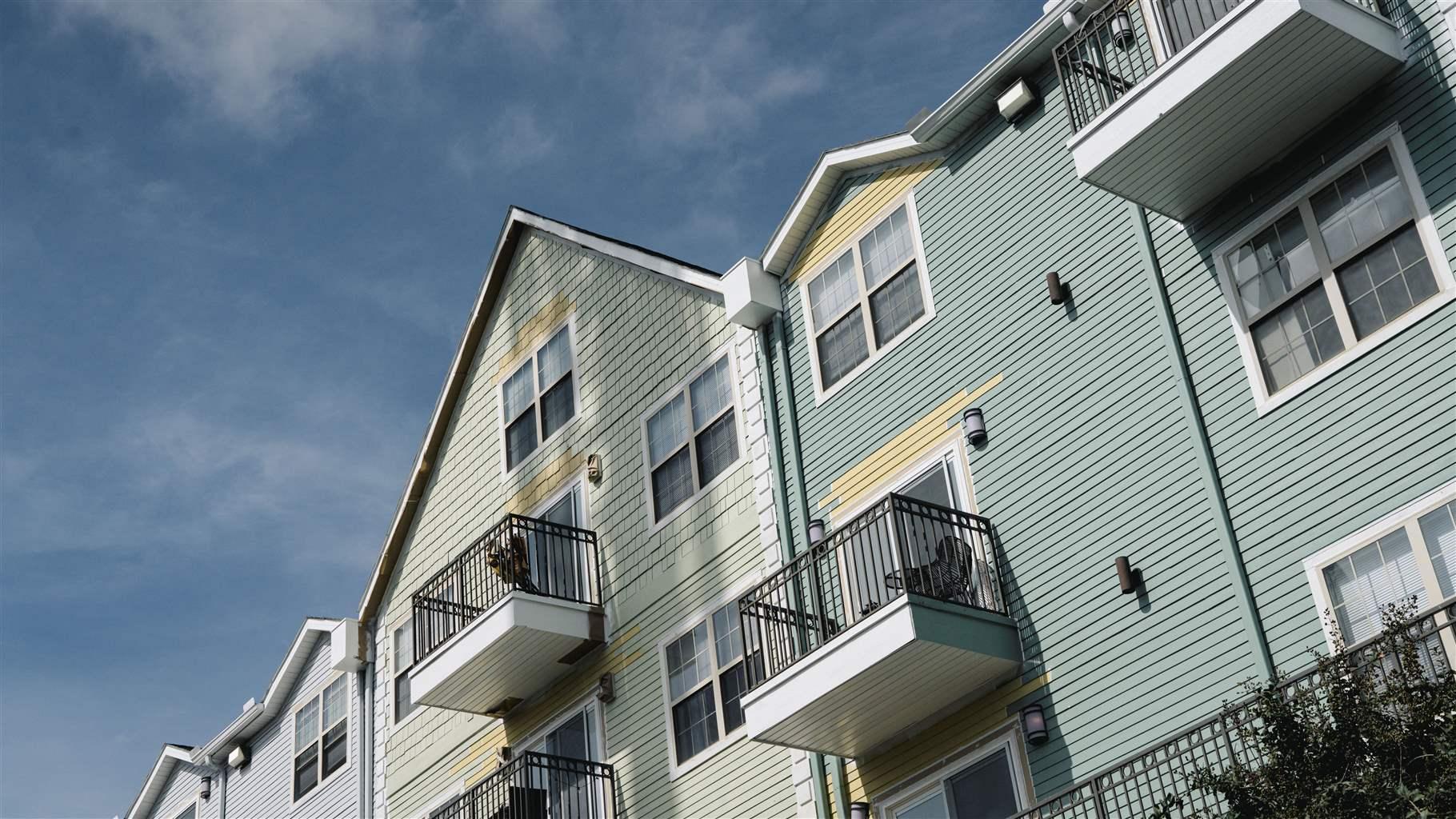
New construction could charge 150% of what I'm currently paying ($1750 for a 2bd) and fill up in days. I believe this because the Deco complex between me and the QA station charges about that and is sold out. Your assessments of the market are consistently detached from reality.
 

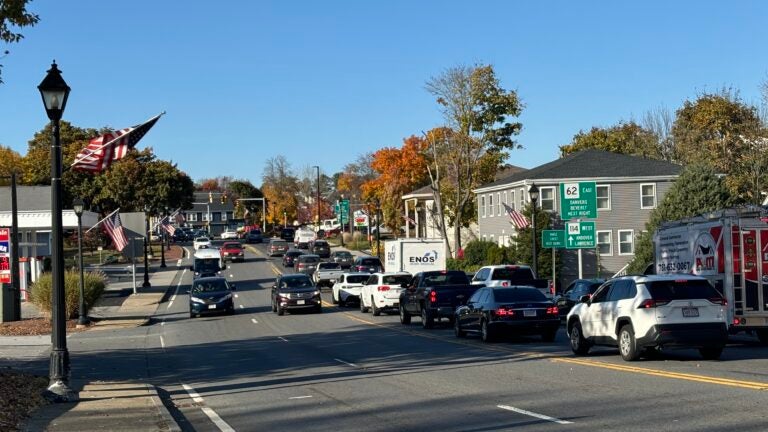
It's an interesting case - the project is at the intersection of two MassDOT jurisdiction roadways and tied in with the construction of a 60 unit project that the state is theoretically trying to encourage through this law. On the flip side, the town was given more than plenty of warning that this would happen and still refused to pass a compliant zoning map.
 
Just another example of Gov. Healey resorting to the same petty, coercive tactics that she's been hysterically criticizing the Trump administration for using against Massachusetts. The hypocrisy would be mind-blowing if this sort of thing were not so normalized in this state.
 
Just another example of Gov. Healey resorting to the same petty, coercive tactics that she's been hysterically criticizing the Trump administration for using against Massachusetts. The hypocrisy would be mind-blowing if this sort of thing were not so normalized in this state.
Oh, please. It's been a coddling enforcement of what is already a milquetoast, hand-holding law that does not go half as far enough to address the actual housing crisis in the state. Cut the hysterics.

If the state wanted to it could simply hand Middleton a zoning map and tell them this is how it's going to be. The state could (and should) pre-empt local zoning in myriad ways to eliminate the regulations that exist solely for the sake of limiting housing. The state be coming at their state aid. It has plenty of ACTUAL draconian options at its disposal above and beyond following through on revoking a discretionary grant they gave a year's notice on.
 
It doesn't address the "housing crisis" (what did you say about hysterics?) because that's obviously not its intention. This law is just a gift to real estate and construction industry interests, who just happen to be the biggest lobbies in the state. It's also a huge power grab by the governor, chipping away at the rights of municipalities to determine their own zoning regulations and putting those decisions in the hands of her hand-picked gang of loyal commissars at the EOHLC. Does anyone except the most oblivious naifs actually believe this law will actually make housing more affordable in Massachusetts?
 
It's also a huge power grab by the governor, chipping away at the rights of municipalities to determine their own zoning regulations and putting those decisions in the hands of her hand-picked gang of loyal commissars at the EOHLC.
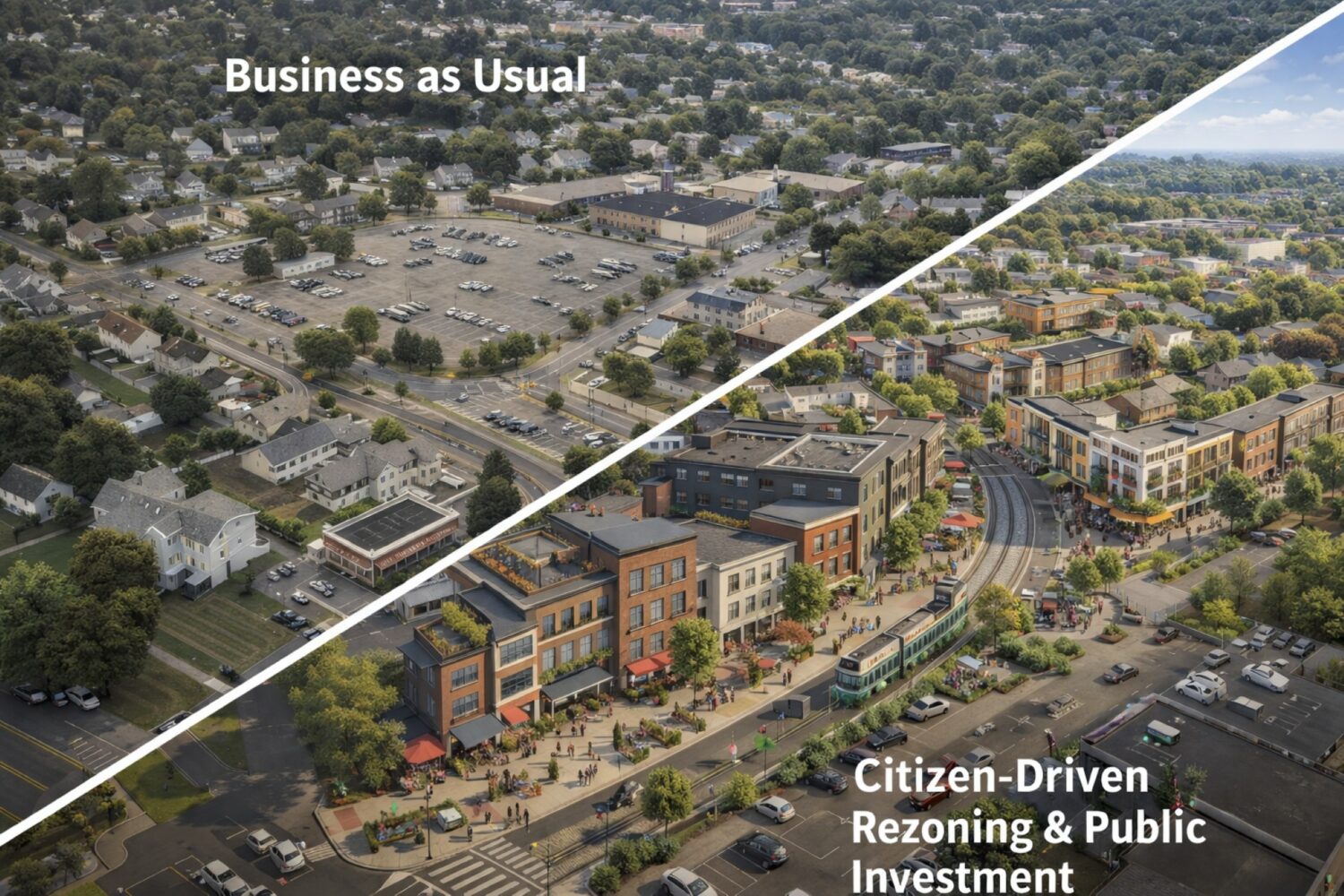
...orrrrr it's a move that democratized land, allowing owners to decide for themselves what kind of home they want to build rather than being forced into an incredibly narrow design of SFH. Rather than centralizing power at the state level it returns power from local governments to the people.

I don't necessarily agree with that take in its entirety but it's not as simple as just "power moving up the triangle".
 
I think most democratically-minded people would agree that local political decisions should be made locally, by the people closest to the issues, who know them best and are most affected by them. Taking decisions away from citizens and their local governments and bestowing that authority to unelected committees far away seems like the opposite of democratization.
 
Authority was bestowed on the literal governor of this state who signed the law that was passed by the house and senate. Pretty much as democratic as things get. I understand it's frustrating for some towns to be asked to do a paper exercise to increase their zoning capacity, but if ~95% of municipalities can get behind it then the laggards can too. It's the law! We pay taxes if we don't want to, and we know we'll face fines or worse if we don't.

My read is the hysterics are coming from the holdouts. Even Milton is finding a way to comply.
 
I think most democratically-minded people would agree that local political decisions should be made locally, by the people closest to the issues, who know them best and are most affected by them. Taking decisions away from citizens and their local governments and bestowing that authority to unelected committees far away seems like the opposite of democratization.
I think the people who are most local, closest to the issue, and certainly the most affected are the local landowners. Shouldn't they get the biggest say in what they build?
 
the Trump administration
The Trump administration has been overwhelming arbitrary in its use of those powers. So arbitrary that their flalling attempts are recognized by the courts as not legal.

Meanwhile, the cities and towns that are out of compliance have had the time since Governor Baker's administration to resolve this issue. The Healey administration has also given resources for technical assistance, reducing any barriers to the most impoverished of localities for making a fairly simple zoning change.
 
Taking decisions away from citizens and their local governments and bestowing that authority to unelected committees far away seems like the opposite of democratization.
Local government is not some how magically more just or more democratic. See all the sundown towns of yesteryear (and also look at how unintegrated they often remain to this day).
 
Yet even if zoning is reformed, another barrier remains: market dynamics. Left to itself, the housing market reliably produces what is most profitable — typically large, expensive units — resulting in an oversupply of luxury housing.
What is up with every person who discusses the housing market forgetting econ 101?
 
The removal of the second form of egress requirement will mesh nicely with the removal of occupancy limits on units that the Healey administration is pushing, especially considering the current proliferation of 5 over 1 plywood tinderboxes. Hey, these regulations have cut into the profits of building owners for far too long. Afterall, what are the odds that a building will need to be rapidly evacuated and the sole egress will become inaccessible? This is 2026, fer crissakes. That crap don't happen anymore.
 
The removal of the second form of egress requirement will mesh nicely with the removal of occupancy limits on units that the Healey administration is pushing, especially considering the current proliferation of 5 over 1 plywood tinderboxes. Hey, these regulations have cut into the profits of building owners for far too long. Afterall, what are the odds that a building will need to be rapidly evacuated and the sole egress will become inaccessible? This is 2026, fer crissakes. That crap don't happen anymore.
Modern apartment buildings (including 5 over 1s) have many, many fire safety elements: built-in sprinkler systems; fire resistant materials (including wood); self closing doors to stop the spread of smoke and fire; and on and on. There's good evidence these save lives, and they are legally required. The result is that modern apartment buildings are far less fire prone than basically any other kind of housing in the country.

But there is no real evidence second stairwells help in fires for buildings under six stories. None I've seen. And it's been studied a lot. Here's a pretty thorough overview

So second-stairwell requirements cost a lot of money, severely limit possible building designs, and offer zero measurable benefit. We should absolutely change these regulations.

If you have any evidence to the contrary, let me know. I'm super curious.
 
Modern apartment buildings (including 5 over 1s) have many, many fire safety elements: built-in sprinkler systems; fire resistant materials (including wood); self closing doors to stop the spread of smoke and fire; and on and on. There's good evidence these save lives, and they are legally required. The result is that modern apartment buildings are far less fire prone than basically any other kind of housing in the country.

But there is no real evidence second stairwells help in fires for buildings under six stories. None I've seen. And it's been studied a lot. Here's a pretty thorough overview

So second-stairwell requirements cost a lot of money, severely limit possible building designs, and offer zero measurable benefit. We should absolutely change these regulations.

If you have any evidence to the contrary, let me know. I'm super curious.
Single-stairway buildings are exceedingly common in Europe and there aren't exactly deadly fire disasters on the regular.
 
So second-stairwell requirements cost a lot of money, severely limit possible building designs, and offer zero measurable benefit. We should absolutely change these regulations.
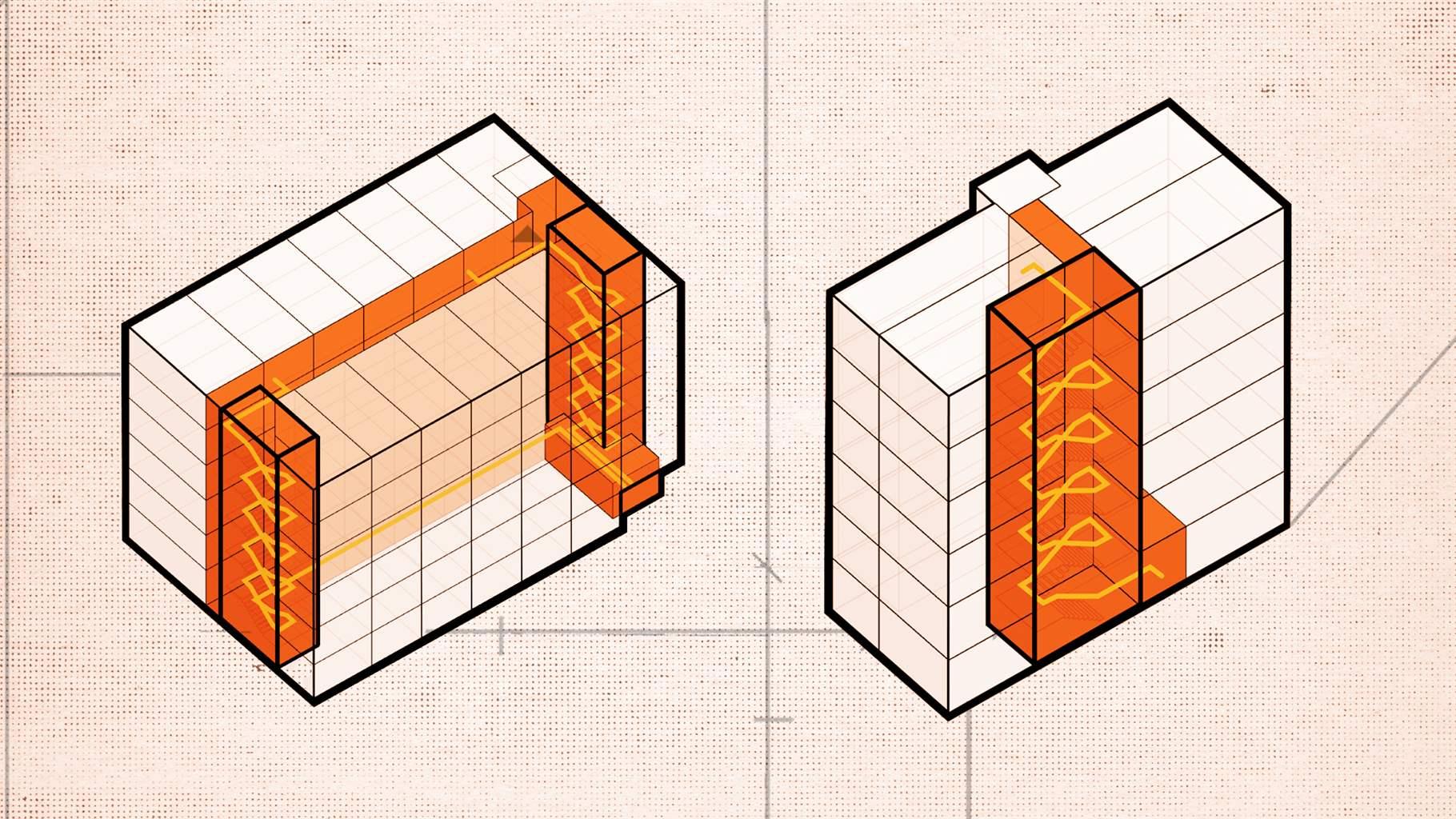
The building design element is really more important than the cost or square footage element to an extent that I don't think the casual observer of this proposed change really understands. The "family-sized apartments" that so many clamor for does not fit well at all in the confines of double-loaded corridor design, which is a product of multiple-staircase requirements. If you allow a cluster of a few apartments to be built around a central staircase -- as is common in cities all over the world -- it unlocks a building type that has been regulated out of existence in the US, and that building type can fit in lots that today would not work for typical five-over-one. It also allows smaller apartment buildings (but not smaller apartments) that can be taken on by smaller developers with less capital and resources, leveling the playing field on the supply side.

The goal of the regulatory change is not to "build the same five-over-ones but save money on fewer staircases," it is to "allow new building forms that don't work with multiple staircases."

Up next on the docket should be elevator reform, as North America has also regulated the smaller-and-more-standardized elevators used in the rest of the world out of existence. Do both of these and you'll be able to fit, for example, a seven-story building with twenty-six three-bedroom corner apartments plus ground-floor retail on a lot of 10k - 15k sf.

Your archetypal urbanist's dream apartment buildings in Barcelona or Paris -- or even New York -- simply don't work if every building is required to have two internal staircases separated by corridors between units.
 

Back
Top