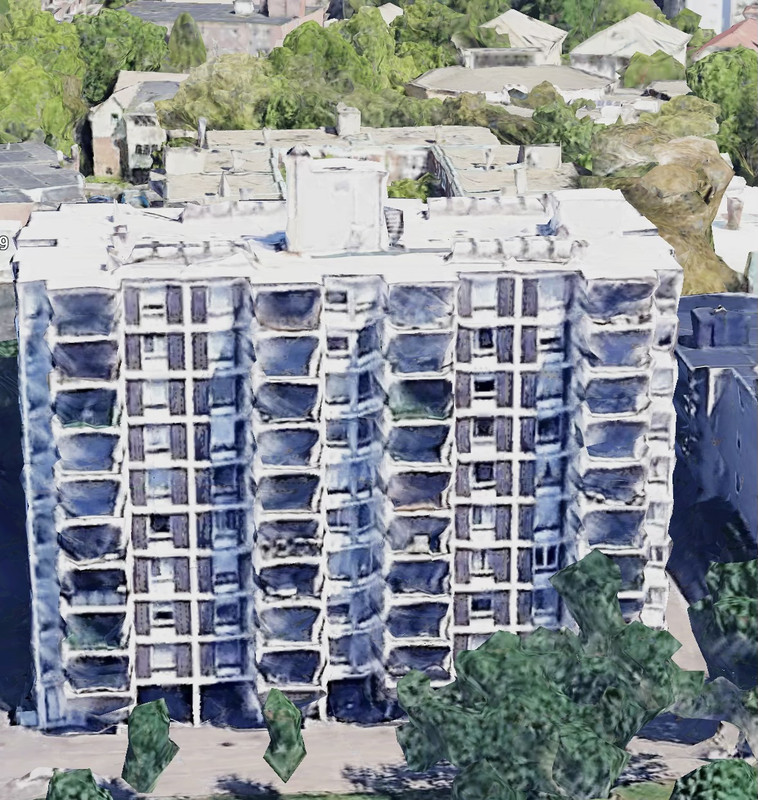
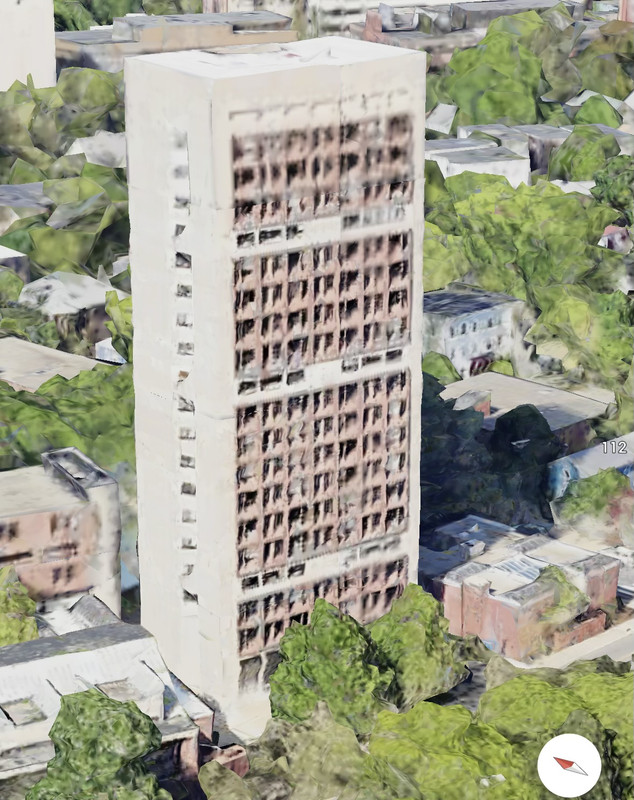
Tallest Buildings Out of the Ground and Growing

Ive wondered this too. Why were we able to build this


This


This


This


These


This


Those


This


That


This


And this


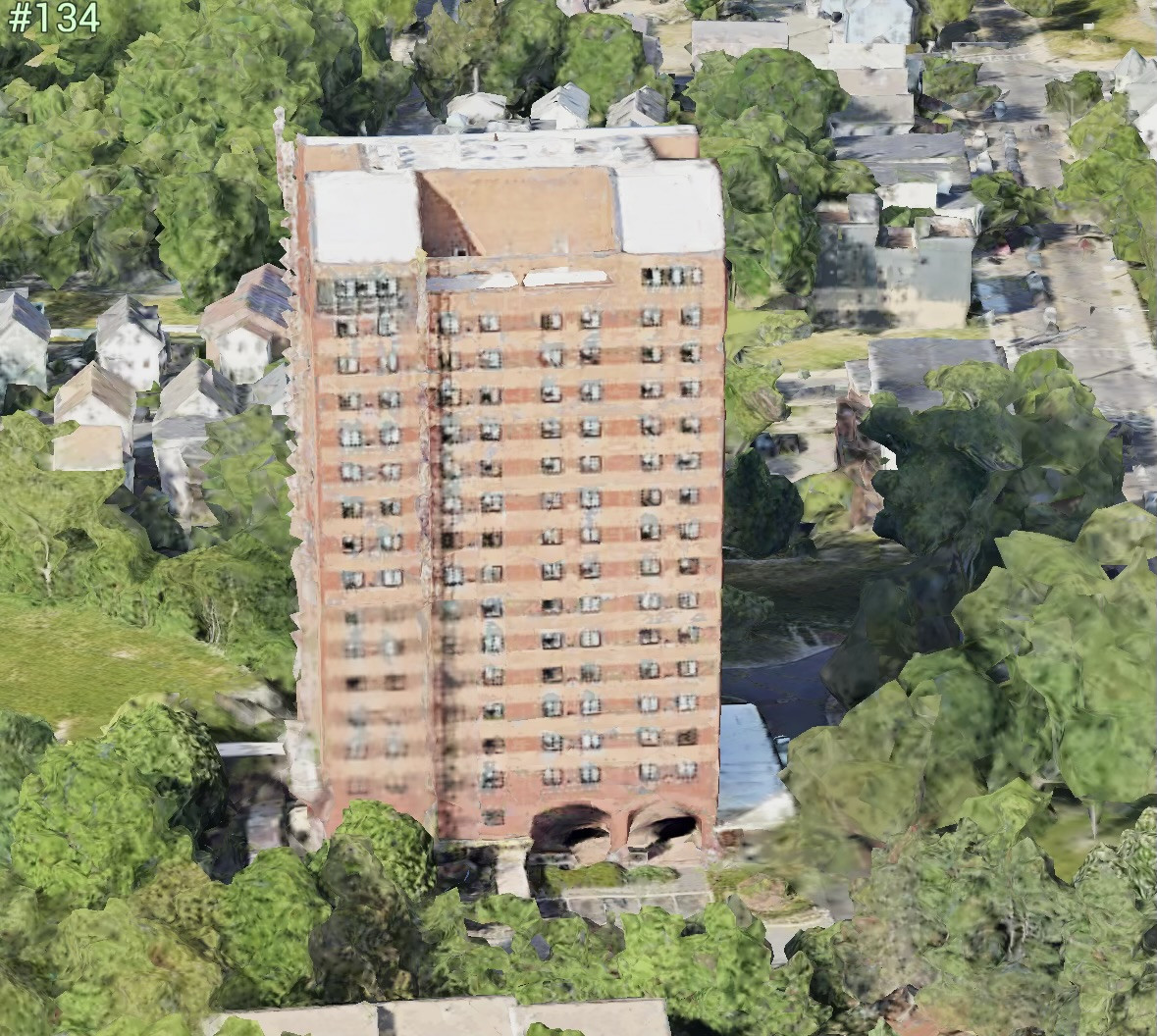
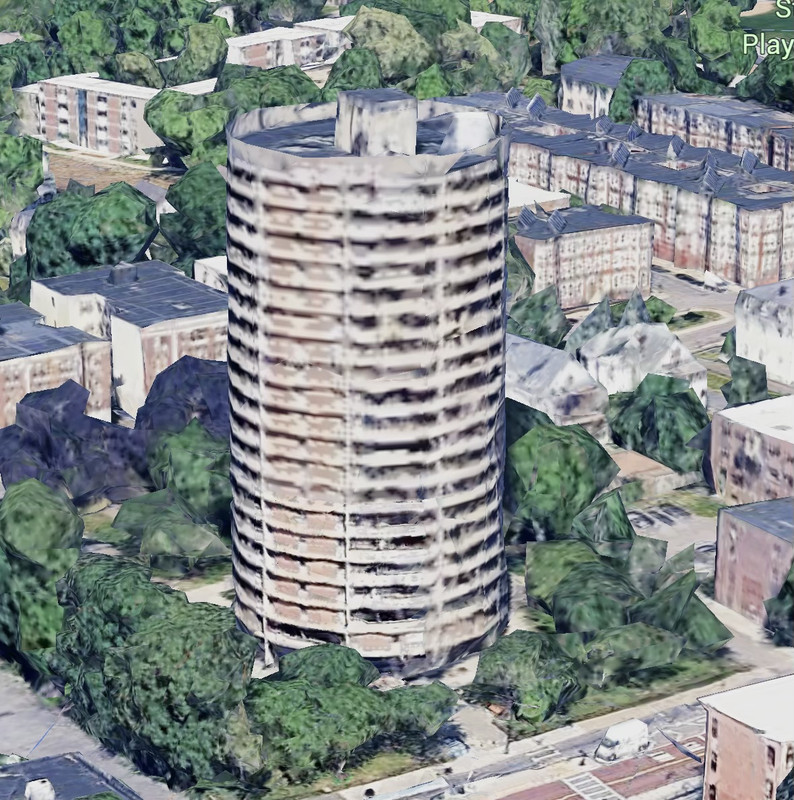
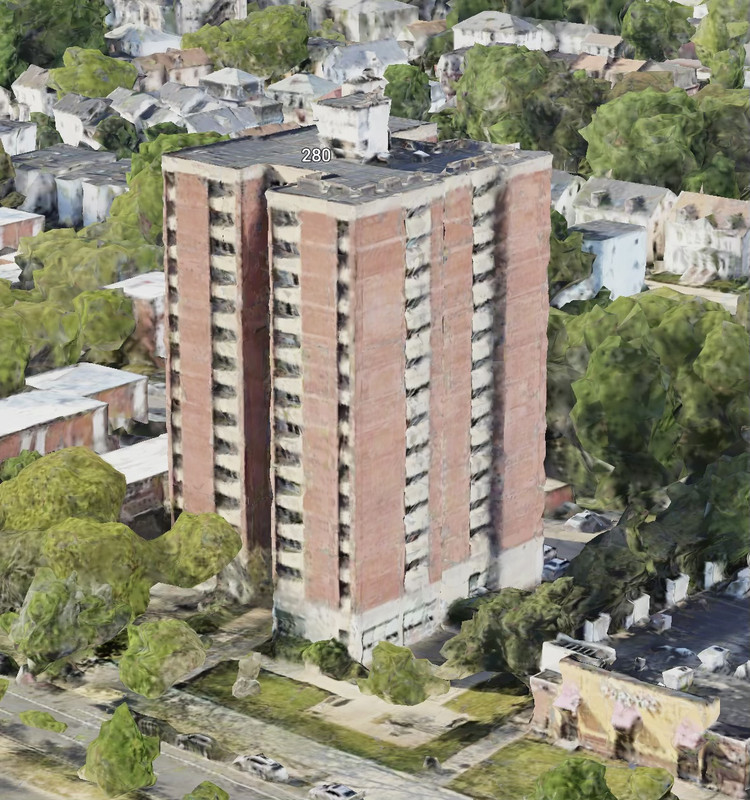
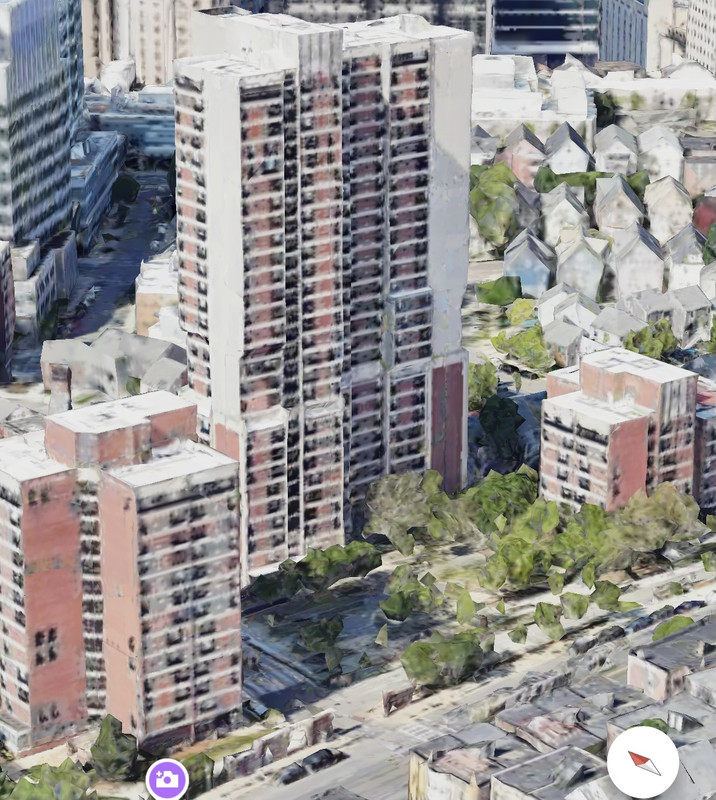
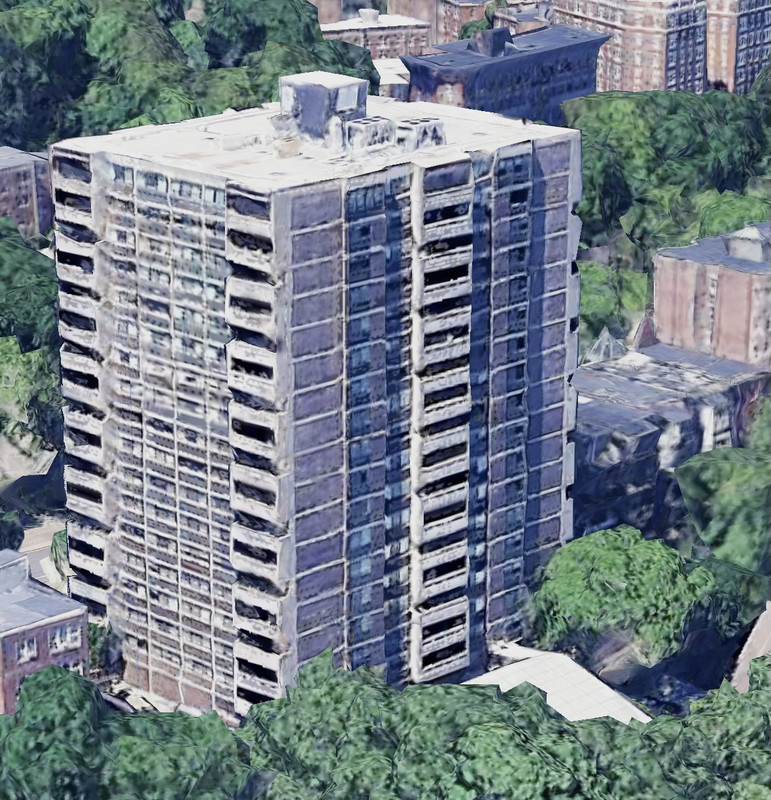
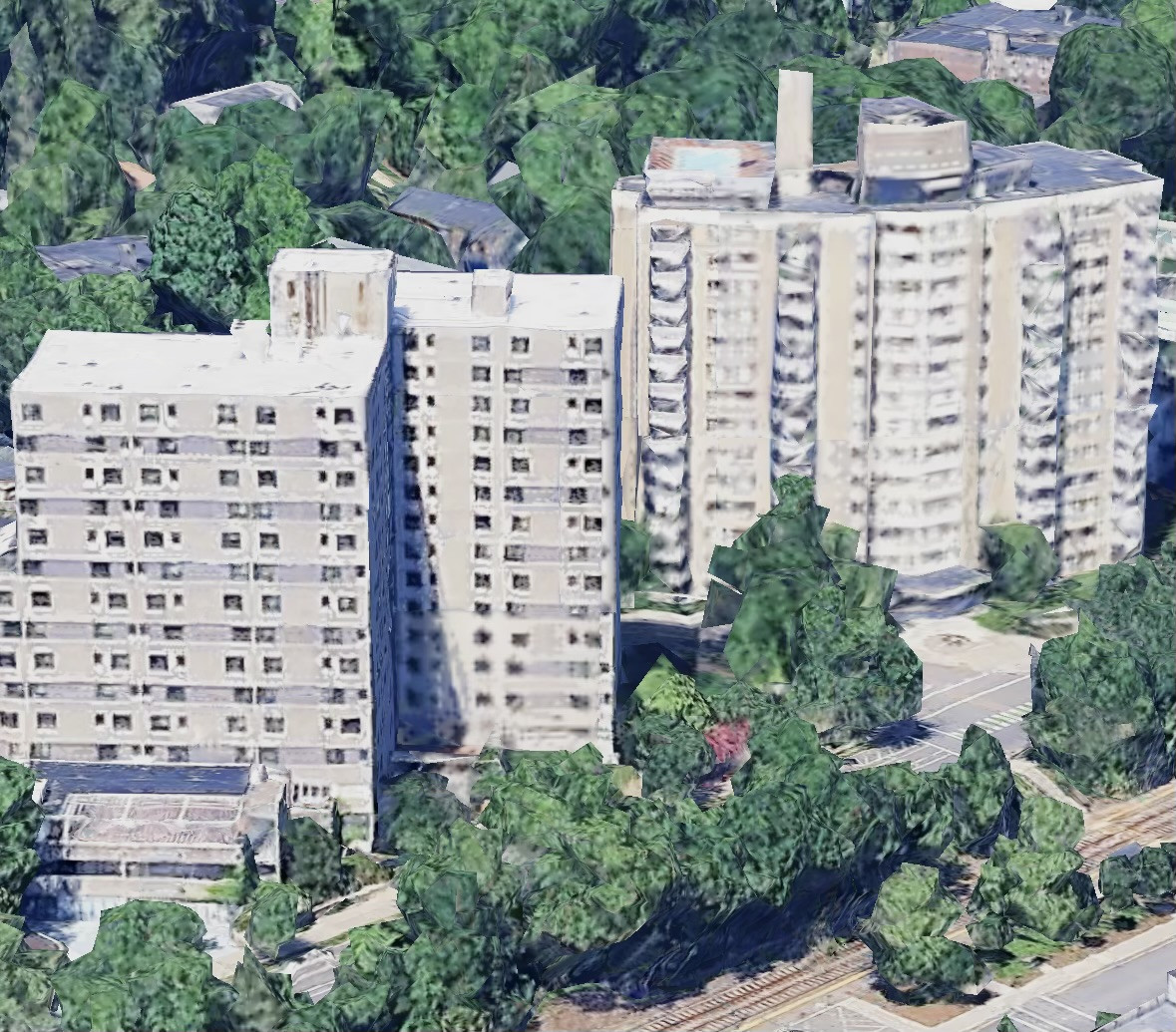
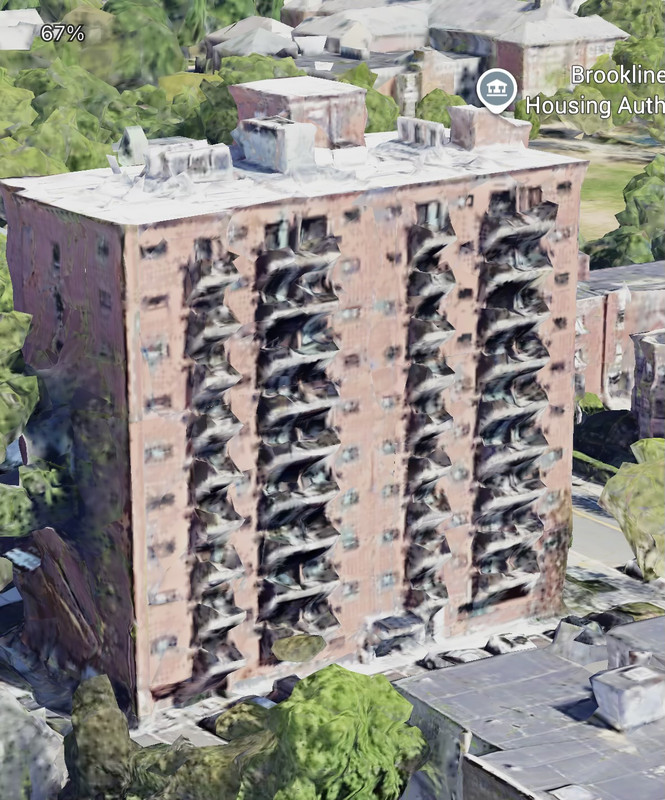
in the 50’s to 80’s no problem, but nowadays we just can not do it. We were able to even build public housing high rises decades ago, cabrini green the most infamous public housing projects were huge residential towers, but these days once its a high rise it automatically only pencils out if its entirely for millionaires. Its pretty crazy.

China, South Korea, Taiwan, Japan and lots of other asian countries still build concrete apartment towers exactly like these today just in grey instead of red in enormous quantities to fit the working class into. Its what the majority of the housing stock and high rise stock is.. cheap concrete towers and lots of them. Even in the same hemisphere as us you have Brazil, Argentina, Chile… in the middle east you have Egypt. For some reason we just cant make the math work for the middle class here when sooo many other places can.
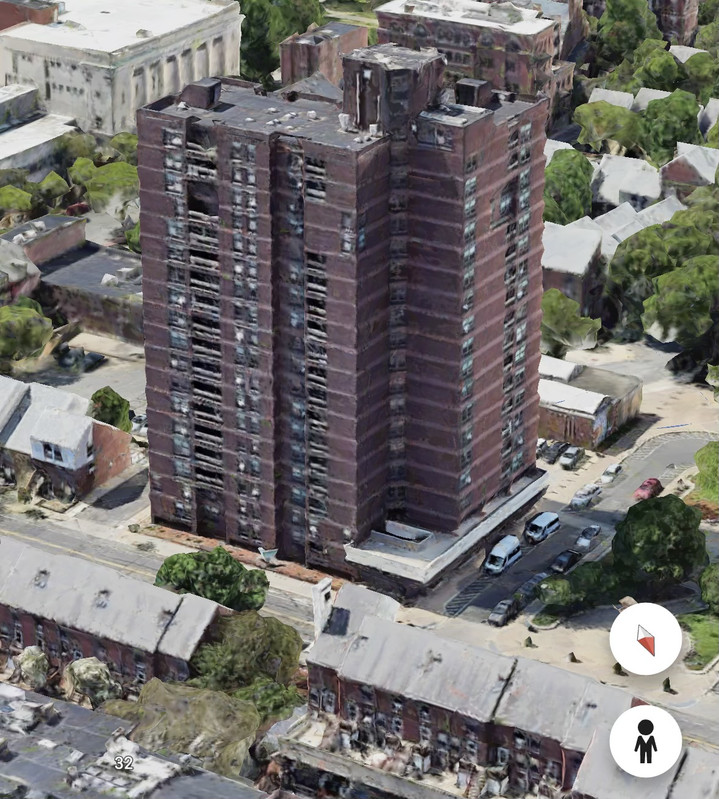
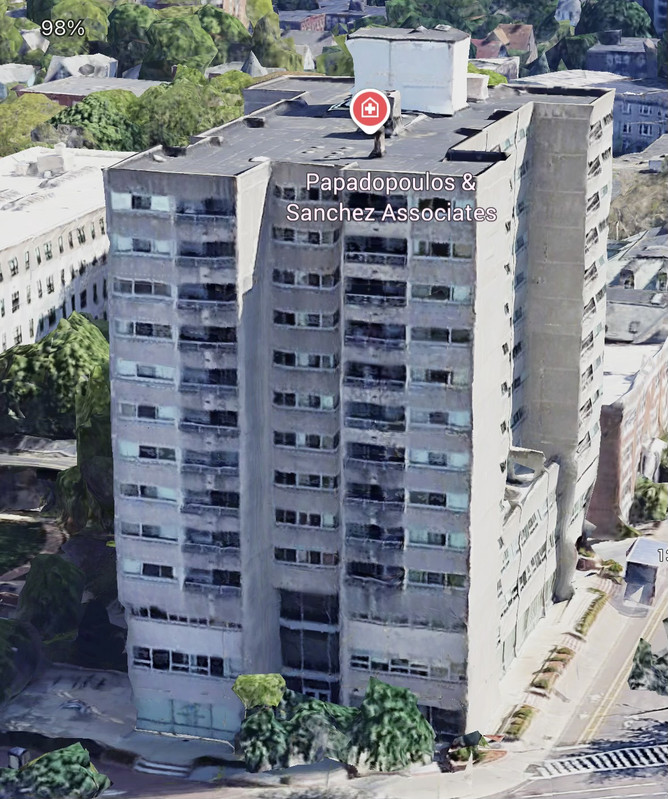
Based purely on a visual guess, I would actually think that a number of those might be early modular construction? Prefab, panelized, I'm not up on the terminology, nor am I not particularly familiar with its history in the US and if any of those buildings are, but they look an awful lot like "Large Panel System" buildings built of precast concrete elements. I'm not an architect, but the joins seem characteristic. Plattenbau in German, these are what a lot of the British and european public housing towers were built out of.

To my understanding, they fell out of fashion basically simultaneously globally for a number of reasons, safety being at least one, since they're not particularly structurally redundant. As far as I'm aware, after the 80s folks everywhere just kinda decided that this system of construction was obsolete, and nor were they particularly well built when new - Ronan Point in the UK is a fairly well known contemporary example, but concerns persist to the present day. https://www.bbc.com/news/articles/c74elw4enl7o
Even if they were cast in place... that era of concrete construction just wasn't done very well. 2000 Commonweath notably collapsed on topping out in 1971, The recent condemning of Riverview in Cambridge, etc.

I think theres been a resurgence in interest in modular construction in the 6-18 story range - see the Clarendon Hill Redevelopment - while that systems is wood, I wouldn't be surprised if there are also other newer, more modern and safe modular concrete systems that bring the cost back into line to build more buildings along those same forms, plus Mass Timber. I know MAPC was awarded money to bring a prefab builder in-state, so hopefully that helps things along.
 
Last edited:
There were numerous updates this week on Commonwealth Pier, which is about 1000 feet tall. You just need to tilt your head 90 degrees when looking at it, and it costs you nothing.

Life is good again.
 
Great point!

I think the outcome of this thread is that landscrapers are the way to go.
 
However, today, right now, for the FIRST TIME since I've been doing this exercise, we have exactly 0 buildings over 200' out of the ground and growing...
This is an interesting thread topic for different reasons, height enthusiasm or otherwise (e.g., litmus of economic activity, housing, R&D, etc). I'll link to my other post, though, to note that the new Biogen HQ @ Kendall Common just got it's tower crane, and, per all these column stumps pointing skyward, is about to sprout. So this gap, depending on how one might assess it, is quite small (the tower cranes on Vega and Lyra aren't even down yet). But I would say that this Biogen HQ project creates, to me, the interesting test, which is: between now and whenever this one is done climbing, will anything else sprout? Indications are less likely than not, but not impossible. 200Main in Kendall is over 200', and is foundation-complete/columns-set ready to resume the moment they get an anchor tenant. Less likely but still possible is that something else from Kendall Common could jump ahead. It's not a fertile time, to say the least, but here's to wishing there's a turn-around during the runway that this is U.C.:


kc-bg-4-1-jpg.72274
 
But I would say that this Biogen HQ project creates, to me, the interesting test, which is: between now and whenever this one is done climbing, will anything else sprout? Indications are less likely than not, but not impossible. 200Main in Kendall is over 200', and is foundation-complete/columns-set ready to resume the moment they get an anchor tenant. Less likely but still possible is that something else from Kendall Common could jump ahead.

The dorm by Northeastern is at least 230' and underway. Also there's a 260' hospital building in Longwood. Depending on the speed of the foundations those are the candidates.
 
Last edited:
Until any of the stalled projects resume or more skyscrapers are proposed downtown, Kendall Square is gonna take the spotlight for a few years.
 
To those of you giving Wu a 100% pass... What is the tallest building proposal that was approved in Boston since she's been mayor? It's been 4 years and 4 months and it seems like the tower pipeline died with Janey and never resurrected under Wu. There's been a high demand for residential during that time. What is happening economically in the here and now shouldn't have a bearing on that severely lacking pipeline.

To me her policies stifled growth when there was growth to be had, and now combine with the national climate to make most projects unfeasible. (For example we are the nation's first city to require all new buildings to be net zero.) It's why the majority of this site nowadays is endless threads of 5-over-1's, as only the cheapest stuff still pencils out. That's how I see it anyway. Infinitely long approvals, net zero, affordable housing requirements, "too tall" and "too dense" and developers have shifted their interest elsewhere. Things still are being built in this country, and some cities (like our "peer" and west coast competitor SF) are proposing new major towers. It's a cop-out to say that Wu had nothing to do with our current situation when we're pretty much getting hit the hardest.

Being mayor entails a whole lot more than just building towers for the sake of building towers.

The mayor of a large city has several priorities, in order of importance:

- ensuring safety and security for all citizens
- improving the living/working conditions of the most vulnerable
- maintaining economic growth/prosperity
- improving the general condition of a city (schools, roads/bridges/tunnels, fixing potholes)
- anticipating future problems and working out pre-emptive solutions

There are probably multiple different ways these things can be achieved, but thats how leaders should be judged.
 
Being mayor entails a whole lot more than just building towers for the sake of building towers.

The mayor of a large city has several priorities, in order of importance:

- ensuring safety and security for all citizens
- improving the living/working conditions of the most vulnerable
- maintaining economic growth/prosperity
- improving the general condition of a city (schools, roads/bridges/tunnels, fixing potholes)
- anticipating future problems and working out pre-emptive solutions

There are probably multiple different ways these things can be achieved, but thats how leaders should be judged.

For this site, only points 3 (economic growth/prosperity) and 4 (city condition) really apply. This site is dedicated to buildings and construction, with a side of transportation. The rest of what you said is out of scope and should be argued about somewhere else.

Regardless of how I think she's done on those other points (mixed bag), for development she's been dismal. The gravy train really ended when Walsh left his post, except of course with the development lifecycle it took a few years for those results to show. But they're showing now, and by most measures they land between mediocre and terrible.
 
For this site, only points 3 (economic growth/prosperity) and 4 (city condition) really apply. This site is dedicated to buildings and construction, with a side of transportation. The rest of what you said is out of scope and should be argued about somewhere else.

Regardless of how I think she's done on those other points (mixed bag), for development she's been dismal. The gravy train really ended when Walsh left his post, except of course with the development lifecycle it took a few years for those results to show. But they're showing now, and by most measures they land between mediocre and terrible.

I hear that and not being a resident of Boston, I wouldn't know enough to categorically disagree with you. You may very well be correct.
 
Nothing is getting built bc of Wus housing policies - probably the 20% affordable is the hardest to overcome. And now Mass rent control has a meaningful opportunity to pass in the fall, which is statewide but impacts Boston the most.
 
Nothing is getting built bc of Wus housing policies - probably the 20% affordable is the hardest to overcome. And now Mass rent control has a meaningful opportunity to pass in the fall, which is statewide but impacts Boston the most.
I don’t know if it’s fair to blame Wu for decades of NIMBYism. I actually feel that she’s the best Mayor that Boston has ever had. She’s played a part in getting the Revs pitch (stadium) greenlit. She’s 2x more progressive than Maura Healey is.

The FAA also has a say in how tall a building can be built especially with Logan being within the city limits. One of the few major airports that are located in the city.

As far as rent control is concerned? We can continue to have discussions about whether it’s necessary or if more housing stock can bring down rent prices. Both sides have their arguments but that’s not on Wu. If we want to attack the issue of affordability, then it’s time to peel back the layers of the onion that is United States rugged determination. You’re asking for fairness in a nation that rewards backroom deals and cronyism where the Elons and Bezos’ of the world can find ways to be even more ultra greedy. As a nation, it only costs us is whatever is left of our soul.
 
Housing production in Boston has plummeted. The decline is driven by a combination of macroeconomic conditions and escalating local regulations. That being said, some cities across the country continue to produce housing at a rapid clip, despite overall macroeconomic headwinds. Boston (and Mass) must turn their focus to what they can control - the strict regulatory requirements, among the most severe in the country, including Inclusionary Development Policy requirements, strict climate standards, and complex, lengthy permitting processes. Much of the slowdown is self-inflicted by local policy. While laudable in their goals, there is a trade off... Some steps have been taken statewide to try to cut red tape, MBTA communities act, etc. but locally in Boston, I haven't seen a pragmatic approach to make changes to turn the tide on housing production. It plays well politically to say the city is mandating higher rates of affordable housing set asides when many are struggling with housing costs, but eventually, the laws of economics will have their reckoning.
 
This thread is not actually about a specific development project therefore it is "out of scope" of the development forum and "should be argued about somewhere else."
 

Back
Top