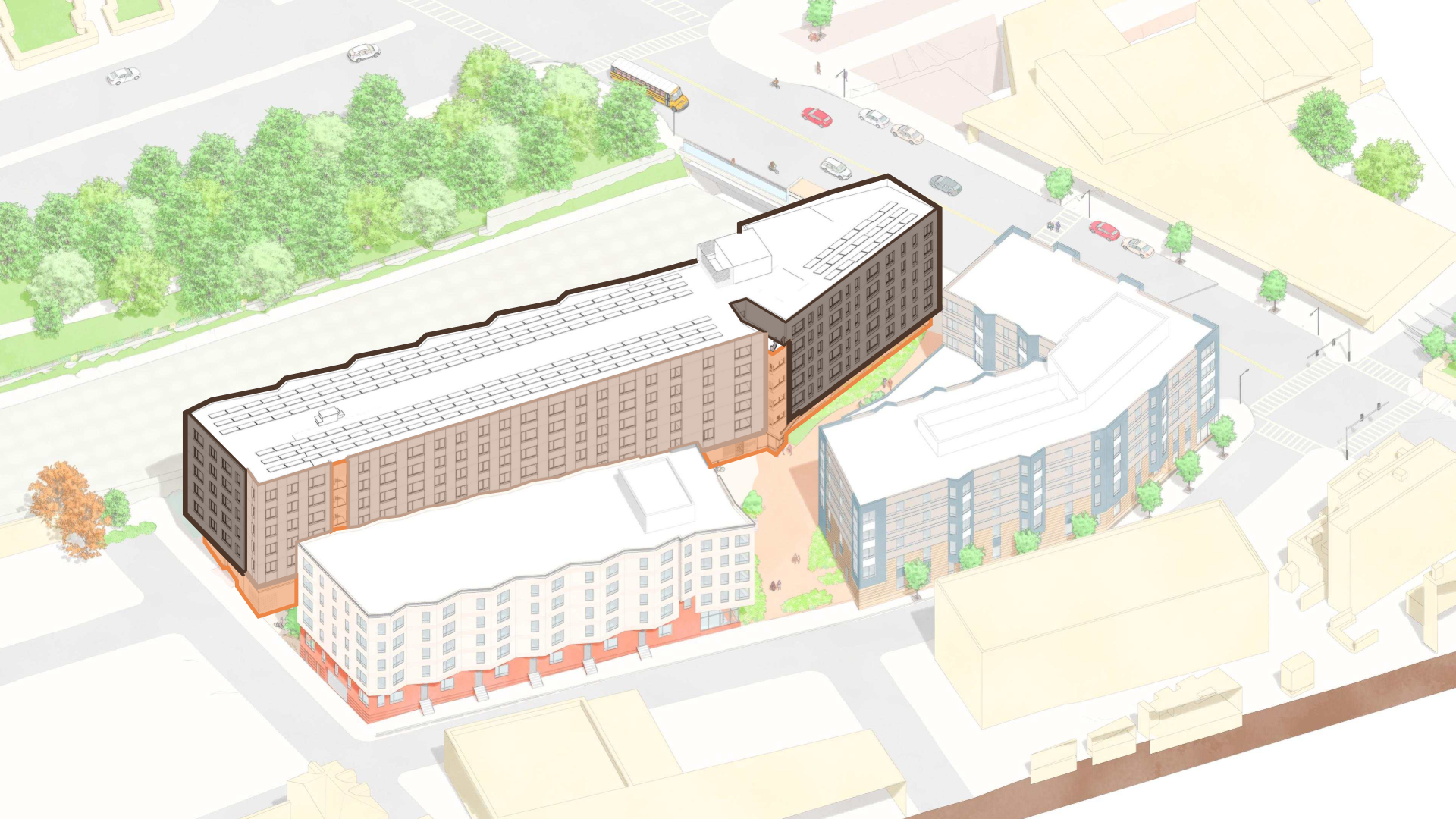
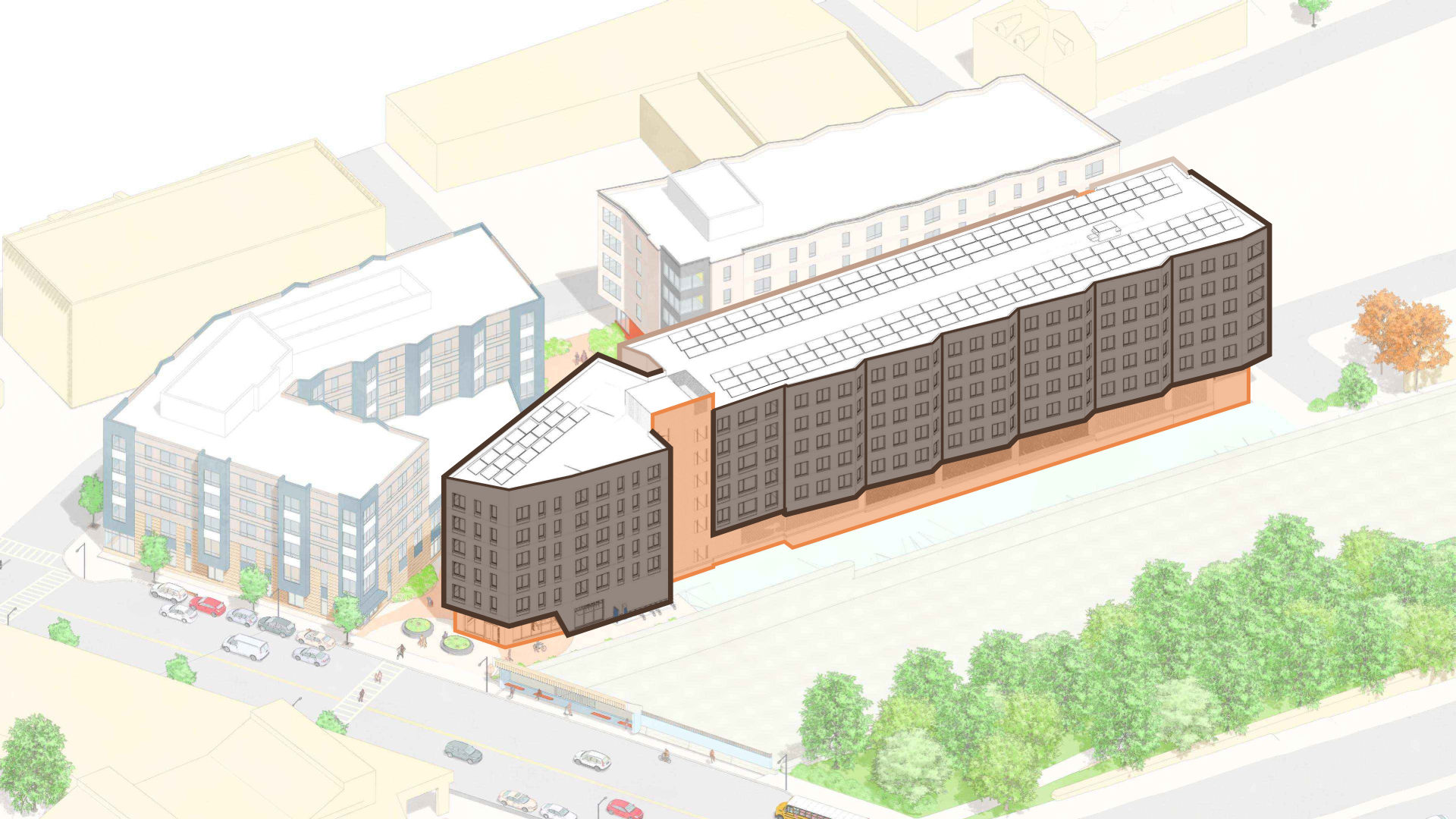
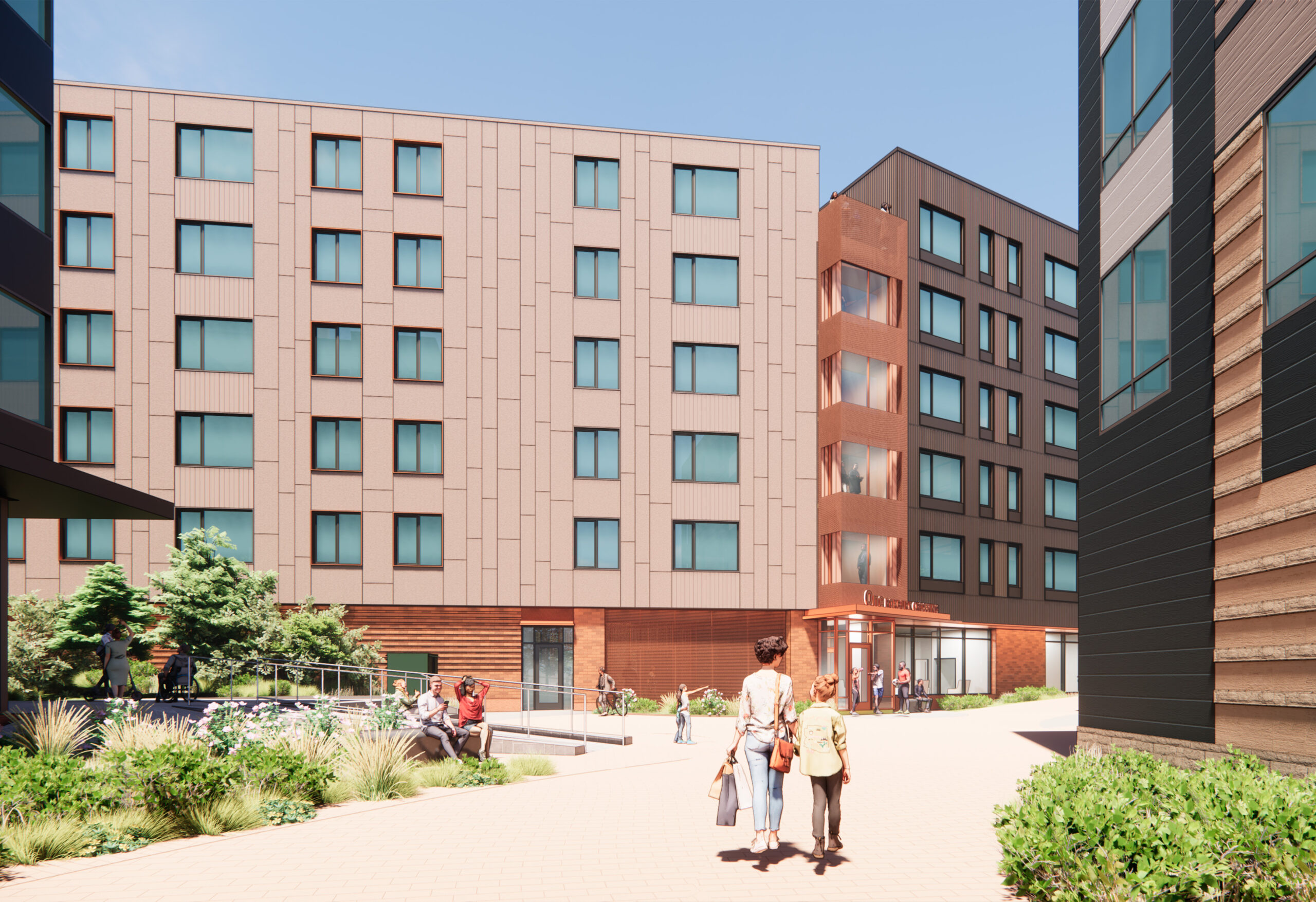
Mission Hill Parcel 25 | Tremont St @ Roxbury Crossing

I'm liking it beter than the tan and brown suburban clapboard look that have been springing up around the site. The facade could use more breaking up. Hopefully they can rework the materials a bit and end up with a less ominous wall of metal along the length of the building. Something like this...

.
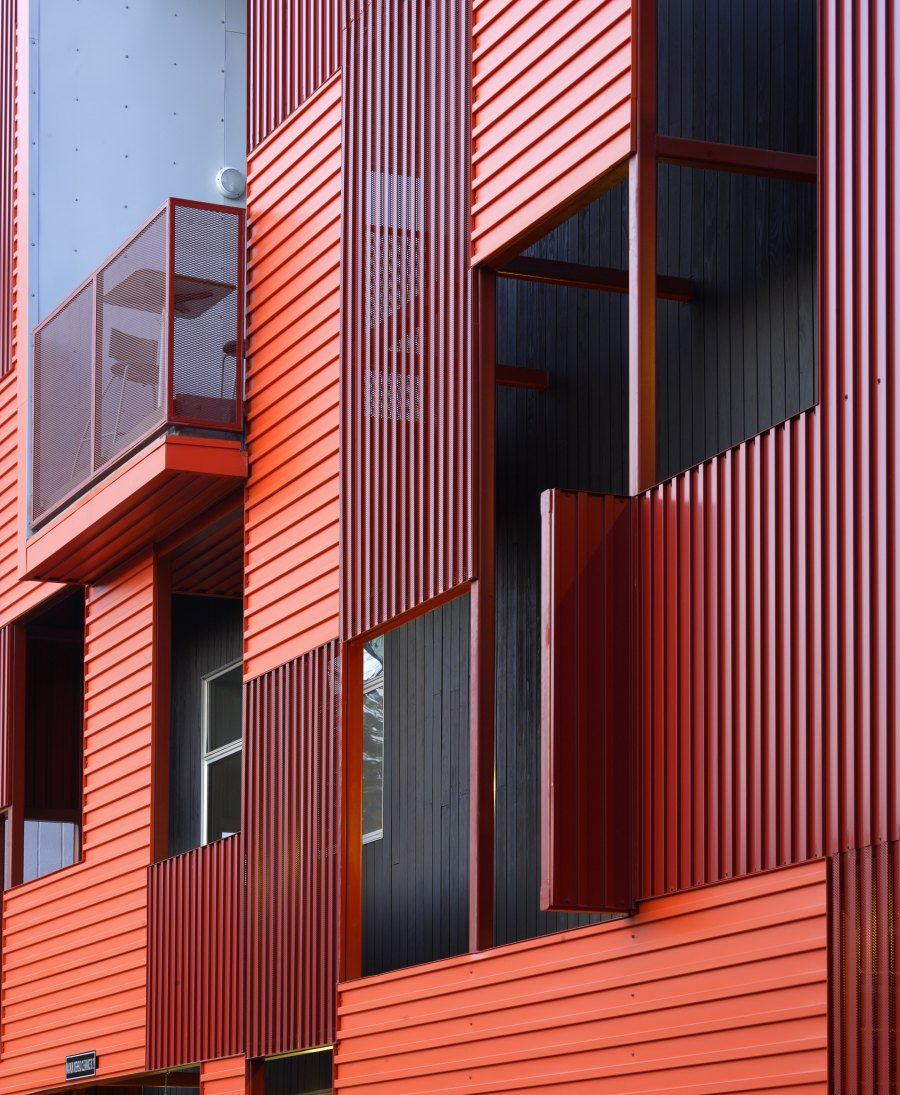
46e62813f60665b37feac2d99ee6593c.png
 
Perfect example of the perils of "affordable only" --- it's taken ~15 years to build this not very large project, it's not even 6 stories next to the T most places, there's barely any retail, and it looks cheap. Market rate + density bonus for affordable could have given us far more homes far faster
 
Perfect example of the perils of "affordable only" --- it's taken ~15 years to build this not very large project, it's not even 6 stories next to the T most places, there's barely any retail, and it looks cheap. Market rate + density bonus for affordable could have given us far more homes far faster
Even blended buildings with a relatively high affordable component (pushing 50%, for example) take a very long time to finance. The track record in Chinatown, for example, is about 1 major complex per decade for ACDC (who are pretty good at it).

But the 100% affordable are just a bad approach -- you get much more total housing in the mixed market rate + affordable developments, and generally better overall development quality.
 
Even blended buildings with a relatively high affordable component (pushing 50%, for example) take a very long time to finance. The track record in Chinatown, for example, is about 1 major complex per decade for ACDC (who are pretty good at it).

But the 100% affordable are just a bad approach -- you get much more total housing in the mixed market rate + affordable developments, and generally better overall development quality.
I agree with everything you bring up here. Financing is such a pain in the butt for developers with just how they have to stack different capital entities to make everything work just right.

The 100% affordable is totally a bad approach, but what is interesting is with tax credits and affordable incentives out there, sometimes that is how the financing pencils out. Last year there was a ULI Boston event about the Jackson Square redevelopment and specifically one building only got moving forwards because the development team switched away from mixed income to 100% affordable. Crazy how incentive programs are built out to create affordable housing, but somehow it is more beneficial from a financing standpoint to make the same mistakes that were made in previous generations. Just head scratching.
 

Back
Top