“Framingham’s Next Mega-Apartment Complex Proposed for Manufacturing-Zoned Land on Waverly Street
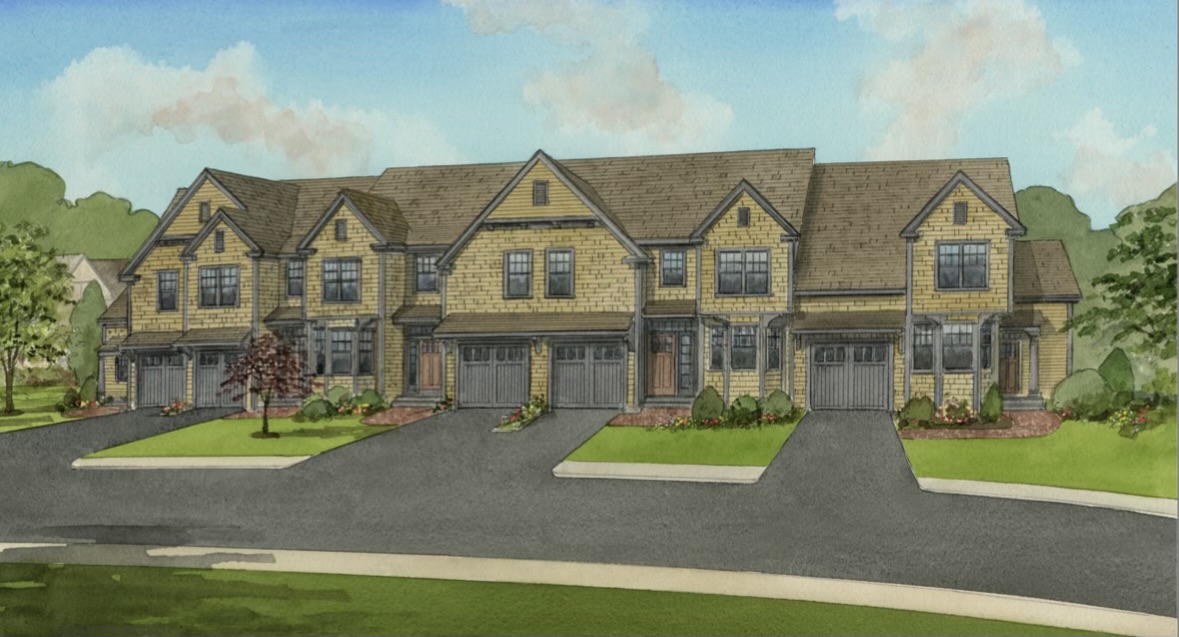
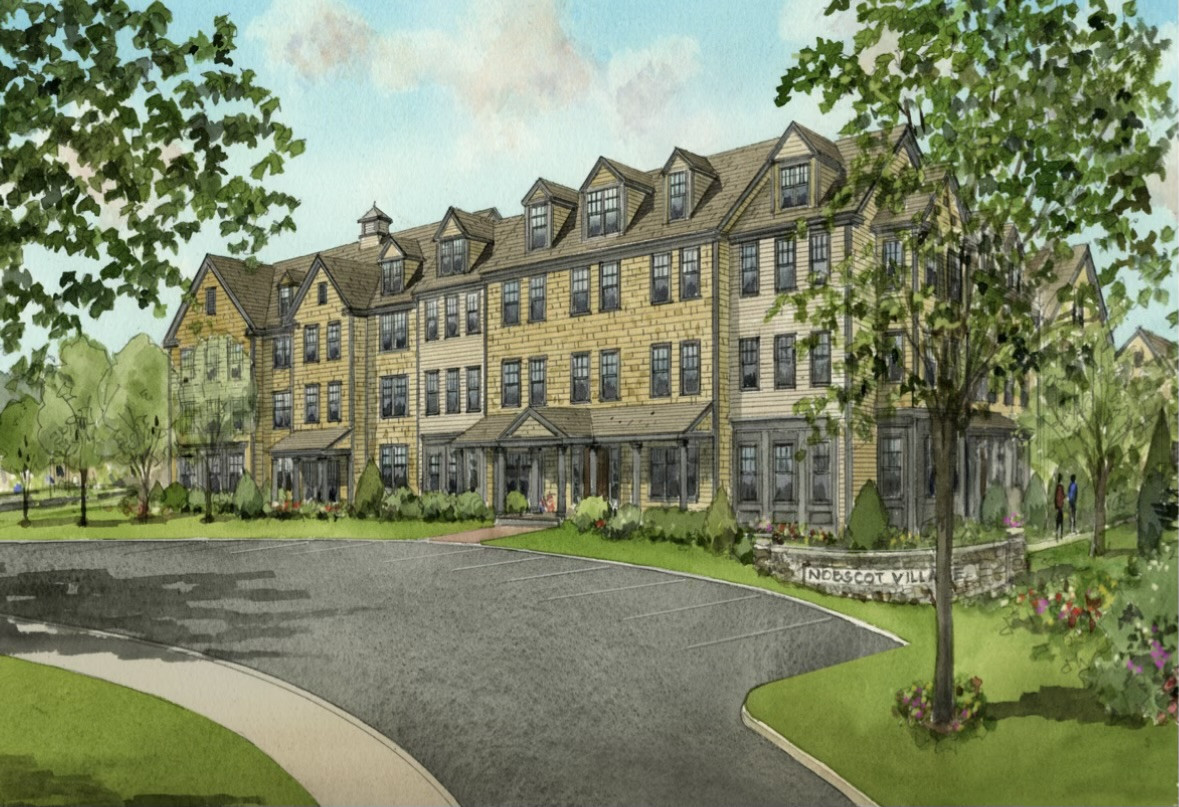
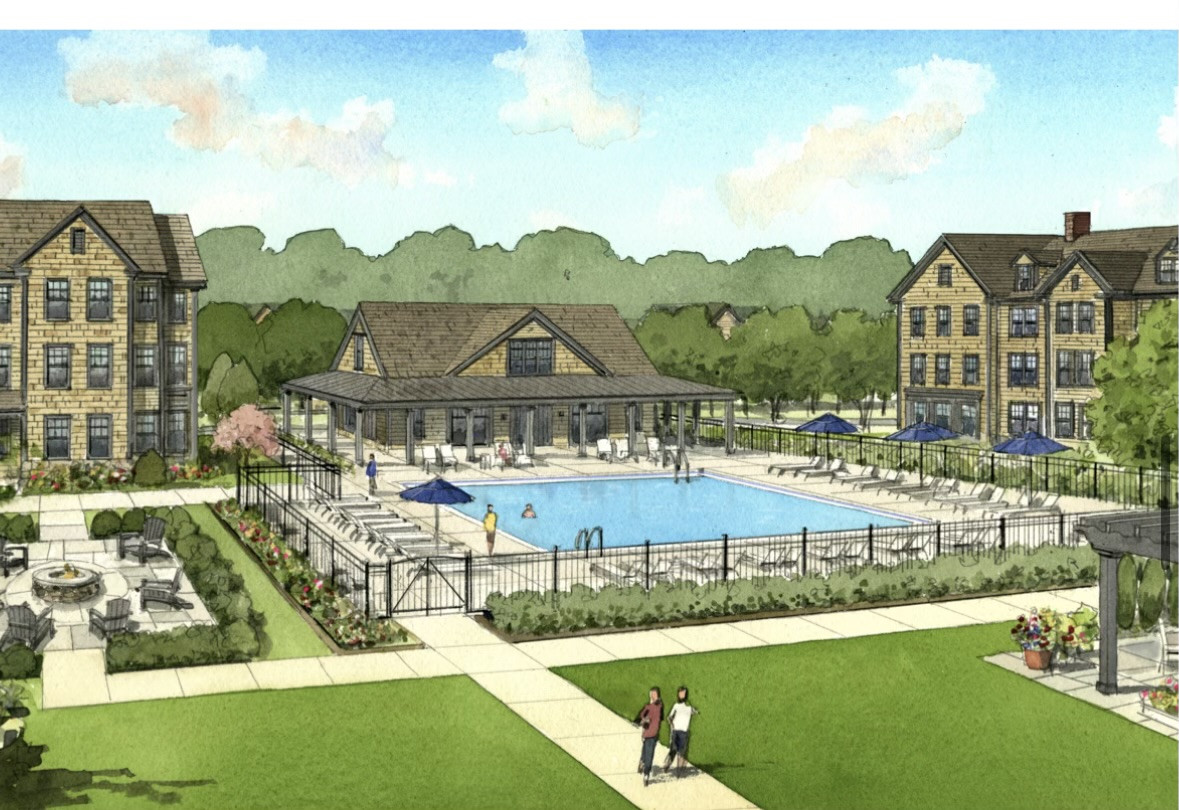
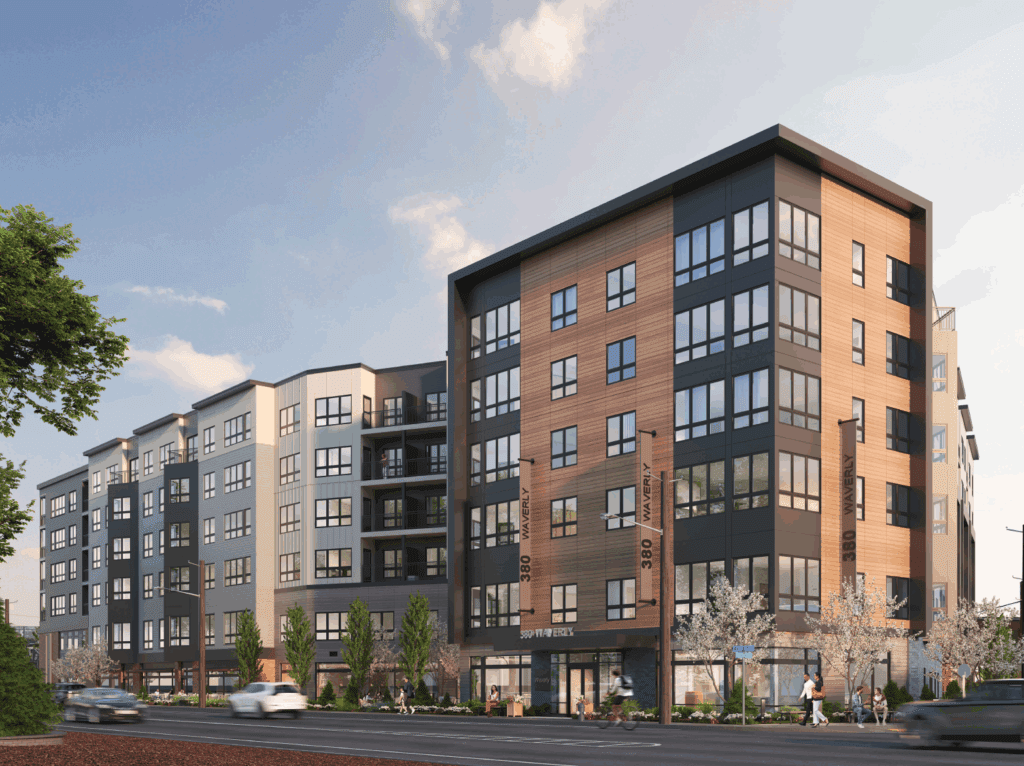
A 46-unit apartment complex is being proposed for a 1.26-acre parcel at 733 Waverly Street, a site currently zoned for General Manufacturing, setting up what could become one of the most consequential land-use cases along the Waverly Street corridor in recent years. The project, filed by 733 Waverly LLC, seeks permission to demolish existing structures and replace them with four multi-family residential buildings despite residential use being prohibited in the zoning district.
According to the application and architectural plans submitted to the city, the proposal would replace a single-family home, garage, and outdoor storage area with four multi-family buildings containing a total of 46 one-bedroom units. Three of the buildings would be three stories tall, while one would be two stories, with a combined gross floor area of approximately 39,200 square feet. The development would include 46 off-street parking spaces, including four accessible spaces and eight compact spaces, with access and egress from Waverly Street.
City records show the property is owned by 733 Waverly LLC, a Massachusetts limited liability company co-owned by William and Walter Villa, with William Villa listed as manager. In a memorandum submitted to the Zoning Board of Appeals, the applicant notes that both owners were “born and raised in Framingham” and have owned and operated a nearby business on Waverly Street since 1985.
In addition to seeking zoning relief, the developer has proposed using a modular construction method, a detail outlined in a Multi-Family Housing Feasibility Study prepared for the site. That study describes the project as a “turnkey modular” development, in which residential units are manufactured off-site and assembled on location, substantially reducing construction time compared with conventional building methods. The materials indicate that this approach is intended to allow the buildings to be completed and occupied on an accelerated schedule, with the potential for the complex to be constructed, finished, and ready for tenant move-in in under six months once approvals are secured and site work begins.
The proposal was formally denied a building permit by the city’s Inspectional Services Division on November 25, 2025, triggering the current zoning appeal. In the denial letter, Building Commissioner Fred Bray wrote that “multifamily dwellings are a prohibited use in the ‘M’ zone” and that the project would require four separate use variances, one for each proposed structure. The letter further states that the project “exceeds the maximum floor area ratio in the ‘M’ zone” and fails to meet required front and side yard setbacks, necessitating multiple dimensional variances.
In their filing, the applicant argues that the proposal is more compatible with the surrounding neighborhood than manufacturing uses permitted as of right. The supporting memorandum asserts that the “proposed two and three-story residential, wood-framed and sided buildings would be a better fit in the neighborhood” and that the project’s density and mass are “substantially less than the apartment developments existing and approved on Fountain Street”. The applicant further claims the project would constitute “a significant improvement to the neighborhood”.
A central argument advanced by the developer is that while the property is zoned manufacturing, its surroundings are not. The memorandum notes that the immediate area consists of “a mix of residential properties (one-family, two-family and multiple-unit residential), industrial, retail and a restaurant,” and that land directly across Waverly Street is zoned Business. The applicant also emphasizes that the proposed buildings are “substantially in accordance with the current regulations of the Central Business District although the property is in the General Manufacturing District”.
The development would require approval from both the Zoning Board of Appeals and the Planning Board, with the applicant acknowledging that site plan review and additional special permits would follow only if zoning relief is granted. The request includes use variances, dimensional variances for setbacks, a variance for floor area ratio, and a special permit to reduce parking below the normally required two spaces per unit.
If approved, the project would represent a significant shift in how manufacturing-zoned land along Waverly Street is used, raising broader questions about whether industrial zoning in this corridor is giving way—parcel by parcel—to dense residential development capable of moving from approval to occupancy in a matter of months.”
Log into Facebook to start sharing and connecting with your friends, family, and people you know.

www.facebook.com


 www.wbjournal.com