New England Electrical Grid

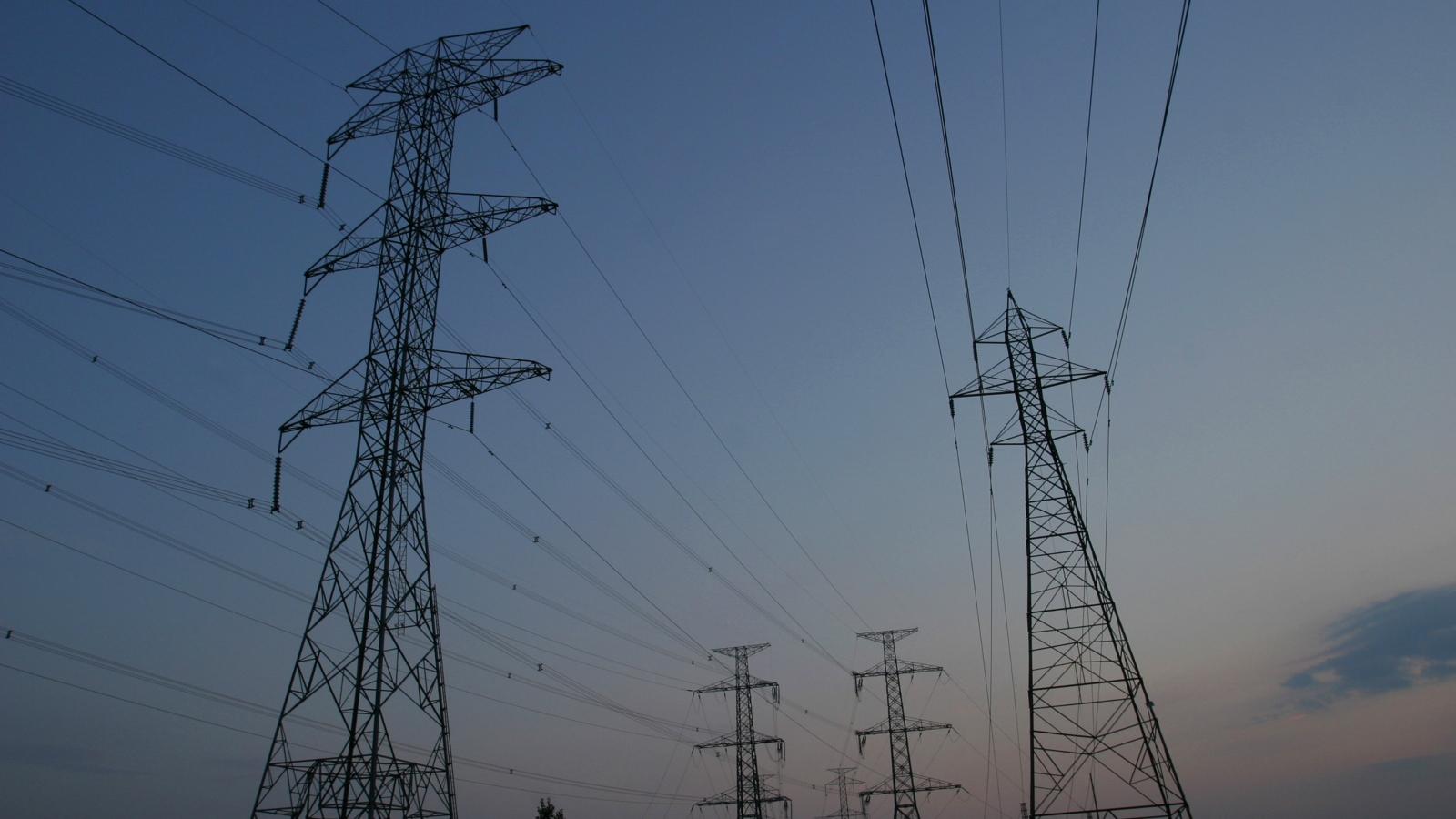
When the New England Clean Energy Connect transmission line started carrying electricity from Canada into Maine in January, supporters hailed the project as a triumph for renewable power. Now, after nearly six months of operations, the early numbers raise questions about whether the project will be able to advance the region’s energy transition as much as advertised.
Energy flow into New England is up just marginally, and there have been roughly 27 days when no power at all traveled along the new line, commonly called NECEC. If current trends hold, New England will receive less hydropower this year over two transmission lines than it did over just one line in 2023 and previous years.
“What we’ve seen so far is not what some people expected to see,” said Joseph LaRusso, manager of the Clean Grid Program at climate nonprofit Acadia Center. Potentially putting further strain on the supply of Canadian hydropower is the Champlain Hudson Power Express, a transmission line that started sending electricity from Quebec into New York City this month.
[...]
The operations have not had the smoothest start. NECEC was completely inactive for several spans — from a half day on April 28 to nearly two weeks at the end of May and beginning of June. The most recent outage was due to “technical difficulties,” Hydro-Québec spokesperson Lynn St-Laurent said in a written statement.
“Once repairs were completed, deliveries resumed,” she said. “With any new transmission infrastructure, a period of optimization and fine-tuning is to be expected.” Still, most of the time, hydropower has flowed steadily on the new infrastructure. Through the end of April, Hydro-Québec exported about 2.4 terawatt-hours of power on the transmission line.
 
It doesn’t help that the grid is constrained shipping electricity between Maine and NH. ISO-NE has an RFP out to fix that, but the in service dates for that work is 2032+.
 
It seems that drought conditions have left Hydro-Quebec with less surplus electricity to sell to New England. That doesn't mean that NECEC wasn't a sound project. There's only a half a year's worth of data available. I think it's inevitable that more rain will mean more Canadian energy coming onto the New England grid.

I agree that the RFP to address the bottleneck in Maine would also be a plus. It would have the benefit of the potential to move more northern Maine onshore wind power to southern Maine and New Hampshire. From what I understand this project would require upgrading existing lines and substations rather than constructing new lines in environmentally challenging areas.
 
Progress on our wind energy projects. Through further buildout of Revolution Wind, complete commissioning of Vineyard Wind (or both) mixed with good offshore wind speeds, the grid set a new record today of ~2GW of peak generation this afternoon. This is a new record and at some points during the day was producing >15% of total load. It's pretty warm today so likely some strong AC loads, but a cool breezy fall day could push marginal prices negative now that capacity is so high. Doubling or tripling this amount of wind capacity would absolutely redefine energy generation in New England. Nuclear is out (from above) but a bit more baseload capacity from imported hydro would really start to shave that marginal need for combustion on the grid.

1789068242914.png


1789068329772.png
 
Yep two consecutive days of record setting. It was also sunny and mild, a perfect (non) storm for a low carbon grid. Natural gas was FIFTH in the stack at the peak of the day (separating BTM solar and grid scale solar). Wouldn’t be possible without all that wind.

There’s so much wind there’s congestion getting it from the turbines onto the grid so local prices were negative at vineyard wind and up in Maine. We need more storage or interconnects to avoid congestion and curtailment.
IMG_1089.jpeg
IMG_1088.jpeg
 
There’s so much wind there’s congestion getting it from the turbines onto the grid so local prices were negative at vineyard wind and up in Maine. We need more storage or interconnects to avoid congestion and curtailment.
Overall I agree, but I think on a record-setting day that's probably to be expected a bit. It probably isn't financially sensible to size those interconnects for the 1% maximum of power they will ever output.
 
You're probably right, but the one thing that could change this is if all/most of the lease areas off the Cape and Islands are built out. Some of the arrays make landfall elsewhere, but if we're going to 2-3x this capacity and all will make landfall at Barnstable, then I wonder at what point it does become a bigger congestion issue.

I'd be fine with some sizable batteries near the first interconnect rather than a full grid build out, but it would be a shame to be a victim of the CapEx success if transmission was the bottleneck.
 
This article is a few months old, but still worth sending:

Golf course straddling Franklin, Bellingham MA is sold. What's coming​

The Maplegate Country Club, an 18-hole public golf course in Franklin and Bellingham, has been sold for nearly $25 million and will be converted into a solar field, according to a press release from the company that brokered the deal.
According to Wrentham-based American Commercial Real Estate, a private solar energy developer has acquired the 140-acre site for $24,837,920. While the buyer was not named in the release, the Worcester Business Journal identified it as San Francisco-based NextGrid Inc. The deal was completed on Dec. 30.
The new property owner plans to convert the golf course into a pair of 15-megawatt solar photovoltaic systems, which would make it one of the largest solar installations in the state, American Commercial Real Estate officials said in the release. The solar array will provide energy to 6,000 income-eligible households through various community programs, saving more than $30 million in energy costs throughout the life of the contracts, according to the release.
 
Does it include energy storage? That’s the heavier lift these days.
 
Would be better as housing, especially considering it's a 7 minute drive from CR.
Disagree. Would be better for transit oriented housing to be developed at Forge Park Station, rather than building more suburban housing 3 miles by car from the nearest train station. Denser housing near the train + solar generation miles away across I-495 makes the most sense as a model.
 

Back
Top