I'm not sure I agree with you which is worse. Closing a line or branch all day for a week is more disruptive. It affects far more people. That's far more people who get persuaded that they can't rely on the T and their household needs a car, or a second car, or they'll change jobs, or they'll leave the state.Would it? The T got more aggressive with these because the public response wasn't what had long been feared it would have been.
Personally, I have long standing terrible memories of the seemingly endless night/weekend shuttles of the braintree branch 2019-2021. It's basically switching from a long term, major impact on a particular group of riders to a shorter and more broadly felt impact while also delivering the project faster and cheaper. Sure, people who don't work in food service now have to suffer too but I think the tradeoffs are well worth it.
Regardless which is worse, though, these shouldn't be our only two options. We shouldn't have to pick between regular long-term shutdowns or never-ending late-night shuttles. Long-term shutdowns could be done sparingly. Same with late-night shutdowns. We should be aiming for a state of repair where maintenance can overwhelmingly be handled overnight. Eng was talking about making infrastructure/policy changes to allow for safe single-tracking where possible, which allows more work to get done while maintaining some level of service. There are other options.
Just to be clear, it's not that I think long shutdowns can be totally avoided. I wouldn't even doubt they're warranted now. But they are really disruptive, and I don't want this to be the new normal. If the T is still doing regular long shutdowns like this in five years, that would be really bad. Before then, I don't know when to start getting worried.
And lastly, you say this is cheaper, and that's fair. I'd guess that's a large motivating factor in a lot of these decisions. But also, fundamentally what the T does is spend money to provide transit service. Generally, it totally makes sense in most cases to spend extra on night-only maintenance if the alternative is shutting down a rapid transit line. Obviously the exact numbers matter, but the T should be heavily biased in favor of keeping train lines running.
That's fair, but also the article says those London shutdowns are for only three days and says that's "major." The B Line here is closed for eight days, and that's now treated as normal.I think frequent weekend (or longer) closures for maintenance are a fact of life for older transit systems. Even without deferred maintenance (which most government authorities are guilty of, anyway) they are needed.
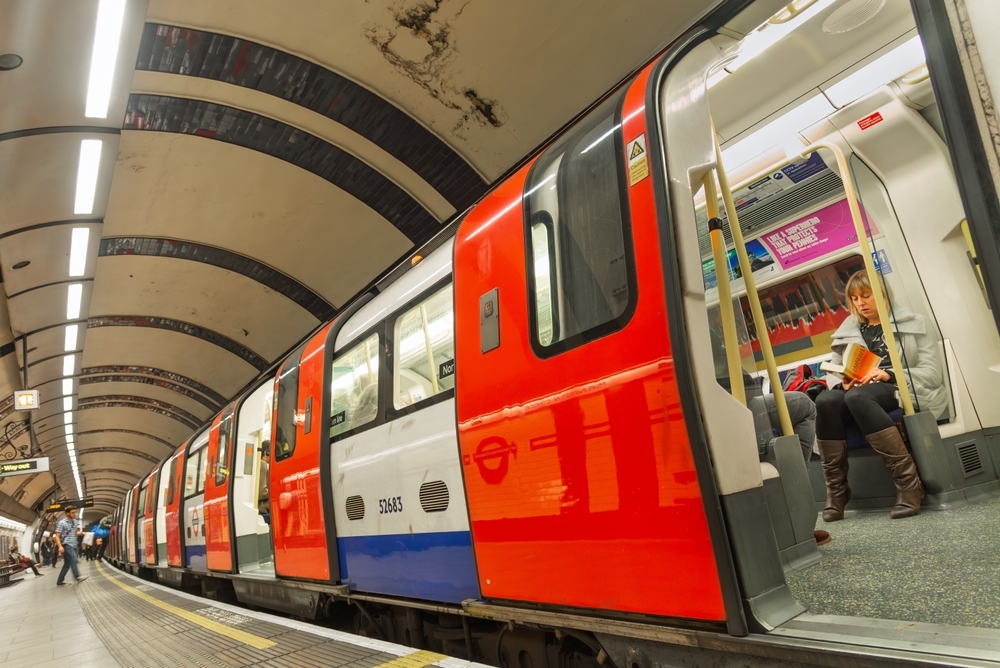
Here are the London and Paris closure schedules for this long weekend there:
A major London TfL train line will be almost completely shut this weekend, with more closures on the tube
Londoners, watch out for bank holiday weekend travel disruption.www.timeout.com
Also, shutting down sections of a line in London or Paris is (often, not always) less of problem, too. Those cities have really massive and often overlapping train networks. In lots of cases, if one line is down, it means walking slightly further to another station on another line, or adding one transfer to the trip. Their networks have a lot of redundancy. That's not true in Boston. Except for the Green/Orange Lines between North Station and Back Bay, there is basically zero redundancy. If you're in JP, need to get downtown, and the Orange Line is closed, the only option is a slow bus shuttle replacement.
Last edited: