Left of center folks really need to take back the mantle of patriotism. I'm so sick of hearing that we can't have nice things that other countries do. I don't want to hear "we're not X European country, we're so much bigger" when the EU and US are perfectly comparable in size. Fuck yes we should be competing with Spain for building out a rail network as cheaply as possible, fuck yes we should be competing with Denmark and the Netherlands on active transportation. "We just can't" is a far too pervasive mindset, and is, to be very frank, the default of many of the people responsible for making decisions at every level.

You are using an out of date browser. It may not display this or other websites correctly.
You should upgrade or use an alternative browser.
You should upgrade or use an alternative browser.
MassDOT News Updates
- Thread starter North Shore
- Start date
millerm277
Active Member
- Joined
- Jun 25, 2013
- Messages
- 586
- Reaction score
- 814
Or governors shouldn’t undermine their employees like that. All the secretary did was indicate roadway pricing is a good idea, which is the truth. Healey neutered the transportation funding task force because she couldn’t take the two days of bad press over the idea of expanded tolls. Any MassDOT leader that doesn’t support expanded tolls is driving us to bankruptcy.
The secretary specifically advocated for border tolls. Which was from my perspective, a much more disastrous statement than even the press cycle suggested.
That set of comments might well become an actual piece of evidence in a court case that damages the state's case for a future toll implementation being constitutional and not running afoul of the interstate commerce clause. NH will sue, it will go to court, and while they'll already have a case (see: The rationale behind the federal courts striking down RI's toll structure this year), that will further damage any claim that the anything of the sort isn't intended to unconstitutionally discriminate against out of state residents.
AFAIK one of the more likely ways to legally implement a toll under current regulations would be to slap it on the highway bridges over the Merrimack the next time they need replacement/reconstruction. Comments like that will be obvious things to point at that it's not a legal toll but is instead a backdoor attempt at an unconstitutional border toll.
------
You don't make public comments that are going to put the Governor in political hot water not only within the state, but that are potentially going to cause them headaches in relations with other states + possibly even the feds, without being very sure that the Governor's on board with exactly what you're going to say.
Hell, you simply don't make comments that there's no reason to have to make + will produce bad press at all without approval from above, IMO. Totally unforced error.
I think the problem is that the value of most of these sorts of projects is rather diffuse - they're of general benefit to the state/region, not necessarily that much focused benefit.Something that we've massively gotten away from that should be brought to bear is that in most cases these infrastructure projects should more than pay for themselves, the question then becomes capturing that value. Filling in the Back Bay was a profitable enterprise for the state. Red-Blue connector provides very obvious value, so capture it to pay for it! Create a special tax district or, heaven forbid, institute a land value tax.
Red-Blue doesn't matter that much to it's immediate surroundings - MGH or Beacon Hill. Bowdoin isn't that far away, I'm not sure it really does much for land values to people are starting/ending their trips right there. The benefits of it are for the entire regional transportation system from decongesting the downtown transfers, and maybe a higher than average benefit to Blue Line commuters.
At some point you're basically just coming back around to it being easier to just do via state taxes or a MBTA district/Eastern MA tax than to try to argue out the details.
I strongly agree with building this stuff, I just don't know that I think the local capture you're talking about is so easy in practice for many types of projects, especially ones that aren't true expansions of the system's coverage.
Red-Blue doesn't matter that much to it's immediate surroundings - MGH or Beacon Hill. Bowdoin isn't that far away, I'm not sure it really does much for land values to people are starting/ending their trips right there. The benefits of it are for the entire regional transportation system from decongesting the downtown transfers, and maybe a higher than average benefit to Blue Line commuters.
I mean, I agree with with that but I don't think its contradicting what I'm saying. The primary benefits most likely accrue to Kendall and to East Boston. To a lesser extent Harvard and Revere. I don't think MGH is a major benefactor at all. It's not at all a novel concept or even difficult to identify the benefactors and tax accordingly.
Like, yes, I think a regional or statewide tax would be easier to implement in a "we've done this before" sense...but taxing the increase in land value wouldn't be that complicated and has an incredibly straightforward sales pitch.

themissinglink
Senior Member
- Joined
- Jan 13, 2018
- Messages
- 2,199
- Reaction score
- 6,280

Asked about tolls at NH border, Phil Eng says: ‘Not my priority now’
Interim Mass. Transportation Secretary and MBTA General Manager Phillip Eng left no uncertainty on an issue that once got his predecessor in hot water.
 www.masslive.com
“Tolls are not my priority right now,” he said. “My priority is to actually start to deliver for the public. There’s a lot of things that the public has been waiting for, both on the MassDOT side and on the MBTA side. We have tremendous support with transportation funding, including $8 billion that the governor and the legislature provided to us. There’s enough for me to keep doing right now that I’m not even really focused on tolls.”
Eng also fielded a question from GBH co-host Jim Braude on whether New York City, where Eng was formerly a top transportation official, had seen success with congestion pricing, a system in which drivers are charged to enter an especially congested section of Manhattan.
“I’m hearing positive results as far as traffic has eased in Manhattan. Hearing that the walkability, the ability to have businesses have better access because the streets are not clogged,” Eng said. “I don’t know all the details of how it’s actually functioning right now. But what we’ll say is that you need a mass transportation system to support it. You cannot just expect people to not use their cars if you don’t have a sound mass transportation system.”
Braude wondered: Would it be worth piloting a similar system in Boston as a way to solve its own congestion headaches? “I think that’s a topic for a longer discussion,” Eng said.
BeansTheCat
Active Member
- Joined
- Aug 14, 2024
- Messages
- 219
- Reaction score
- 710
I assume on congestion pricing writ large, not border tolls?MPO has a study dropping soon.
Exactly this. It blows my mind that we're not funding East-West rail and Worcester line improvements (electrification, level boarding, grade crossing removal, etc.) with a slightly higher Turnpike toll, as just one glaring examplePersonal thoughts: congestion pricing directly tied to improvements on those corridors (i.e. southern portion of 93 paying for double tacking of OCR) is no-brainrer in policy and with good messaging maybe even good politics.
Badusername
Active Member
- Joined
- Dec 2, 2021
- Messages
- 262
- Reaction score
- 759
I don’t think you can politically justify raising turnpike tolls when the rest of the highways remain free. I agree each highway being tolled should be accompanied by electrification of the CR lines that parallel it. Then once everything is electrified and every highway tolled, bump them all to pay for NSRL.Exactly this. It blows my mind that we're not funding East-West rail and Worcester line improvements (electrification, level boarding, grade crossing removal, etc.) with a slightly higher Turnpike toll, as just one glaring example
Exactly this. It blows my mind that we're not funding East-West rail and Worcester line improvements (electrification, level boarding, grade crossing removal, etc.) with a slightly higher Turnpike toll, as just one glaring example
I was under the impression you can't. Tolls have to be specifically for maintenance and infrastructure of the road itself.

dshoost88
Senior Member
- Joined
- Apr 14, 2008
- Messages
- 2,192
- Reaction score
- 2,756
I believe that’s generally true for toll revenue, but the collection of toll revenue also frees up other existing funding—federal and non-federal dollars—that could then be invested in other priorities, including the flex of highway funds to transit investment (like east-west rail).I was under the impression you can't. Tolls have to be specifically for maintenance and infrastructure of the road itself.
Something everybody’s gotta understand is that we cannot construct transportation improvements that haven’t been designed yet. And we cannot design projects that haven’t been planned for yet or identified/codified in long range plans as goals for the regions or state. And on top of that, the priorities we do plan and design for must also be fiscally constrained; that means we can only deliver projects there’s sufficient funding availability for. If MBTA has a credit card with a $1 billion credit limit annually, they cannot invest a cent above $1 billion on their system without a new funding resource identified (such as fair share, a discretionary grant, donations, higher fare revenue, or some other resource).
Project development is complicated. A LOT has to go right today for a transportation project to come to fruition. It’s gotten to the point where I tear up with joy when crossing a new bridge or riding on a new trail that’s been recently completed because it’s truly a small miracle that these projects happen. Countless persons and many years of identifying needs, planning for, designing, prioritizing the funding, and working through the construction of these projects… I repeat: A LOT has to go right for a transportation project to come to fruition.
If there are genuine project needs that matter to you and your community, don’t list them on arch Boston, Reddit, or the Globe comments section; write a letter to or attend your MPO meeting. Make a compelling case for a planning study in the spring when Massachusetts MPOs are soliciting public input for their Unified Planning Work Program development.
SuffolkHeights11
Active Member
- Joined
- Mar 3, 2021
- Messages
- 123
- Reaction score
- 469
To echo others, the annual MA budget is 61 billion dollars. Not a typo. Massachusetts can and should fund generational transportation projects but it is a matter of priorities and political will. The easy way out to just to get the Feds to pay for it, but you run the risk of constant change at the federal level and a spiteful maniac at the top pulling funds.
Congestion pricing tolls/express lanes are great because they have a clear purpose beyond funding the capital expense.In a perfect world expanded tolls would pay for their intended purpose. Won't they promise the world and then they will just take the toll money and use it for something else? For example, the cigarette tax was supposed to go to a robust anti-smoking campaign, because the children, now it goes in the general fund.
Tolls are much more frustrating when there is no reasonable alternative, and continue charging to create revenue for other uses (the Pike, private toll roads down in Texas, etc.)
I believe that’s generally true for toll revenue, but the collection of toll revenue also frees up other existing funding—federal and non-federal dollars—that could then be invested in other priorities, including the flex of highway funds to transit investment (like east-west rail).
Something everybody’s gotta understand is that we cannot construct transportation improvements that haven’t been designed yet. And we cannot design projects that haven’t been planned for yet or identified/codified in long range plans as goals for the regions or state. And on top of that, the priorities we do plan and design for must also be fiscally constrained; that means we can only deliver projects there’s sufficient funding availability for. If MBTA has a credit card with a $1 billion credit limit annually, they cannot invest a cent above $1 billion on their system without a new funding resource identified (such as fair share, a discretionary grant, donations, higher fare revenue, or some other resource).
Project development is complicated. A LOT has to go right today for a transportation project to come to fruition. It’s gotten to the point where I tear up with joy when crossing a new bridge or riding on a new trail that’s been recently completed because it’s truly a small miracle that these projects happen. Countless persons and many years of identifying needs, planning for, designing, prioritizing the funding, and working through the construction of these projects… I repeat: A LOT has to go right for a transportation project to come to fruition.
If there are genuine project needs that matter to you and your community, don’t list them on arch Boston, Reddit, or the Globe comments section; write a letter to or attend your MPO meeting. Make a compelling case for a planning study in the spring when Massachusetts MPOs are soliciting public input for their Unified Planning Work Program development.
Piggybacking off of this, as a reminder, the Boston Region MPO is working on it's new Long Range Transportation Plan (LRTP) right now: https://ctps.org/lrtp
It's still in the very early steps and this is a great time to make your voice heard and make sure you're following the development of the plan.

Departing transportation secretary Monica Tibbits-Nutt said it was time to leave her ‘dream job’ - The Boston Globe
In an exclusive interview, former state transportation secretary Monica Tibbits-Nutt said she felt ready to leave the public eye.
 www.bostonglobe.com
themissinglink
Senior Member
- Joined
- Jan 13, 2018
- Messages
- 2,199
- Reaction score
- 6,280
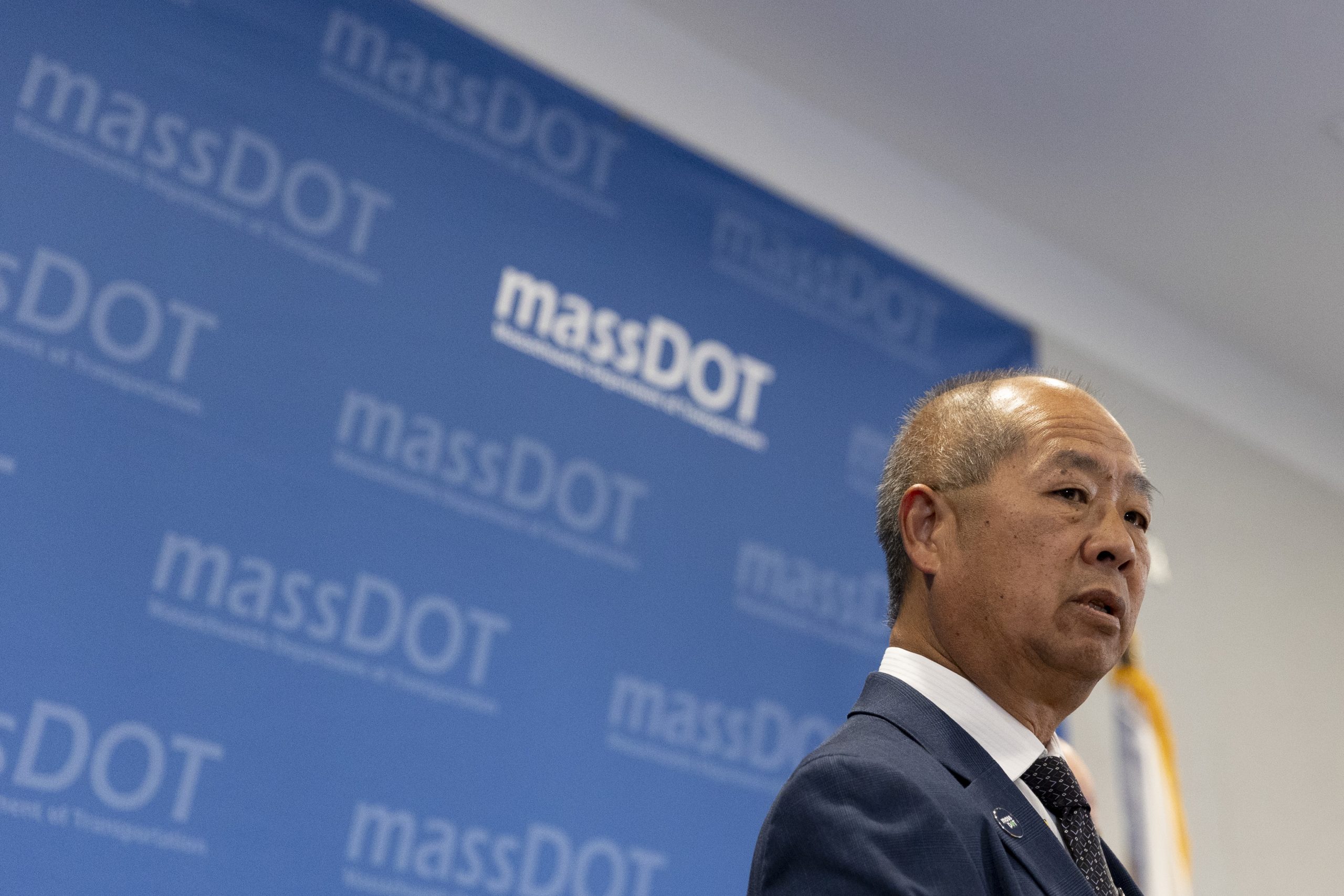
Phil Eng earns rave reviews for simultaneous MBTA, transportation chief jobs
The Healey administration seems content to have Phil Eng continue to work as both T general manager and interim transportation secretary for the foreseeable future, and Eng himself is warming up to the idea of holding both roles for a longer period of time.
 commonwealthbeacon.org
This fall, Healey doubled down on her faith in Eng, tapping him to serve simultaneously as interim transportation secretary while retaining his GM job. All indications suggest he could continue to hold both roles for an extended period.
The clearest sign of that may be what hasn’t happened: Eight weeks after his appointment, the governor’s office has not even started to search for a permanent secretary. Eng himself has begun signaling an openness to staying in the Cabinet for a longer stretch. Meanwhile, most of those watching developments across the state’s transportation policy landscape appear perfectly content with the setup, even while acknowledging that it’s put a lot of work on the shoulders of one man.
“If anybody can do this, it’s him,” said Kate Dineen, president of the business-backed group A Better City, voicing a sentiment that seems to be widely shared.
Healey asked Eng to take on the second role in mid-October, naming him interim transportation secretary after the abrupt resignation of Monica Tibbits-Nutt. She also named longtime highway administrator Jonathan Gulliver as transportation undersecretary, and, like Eng, asked him to do that new job in addition to his existing one.
At the time, officials were coy about how long Eng would wear two hats. Healey said she was “taking it day by day.” Nearly two months later, little has changed. Healey’s office told CommonWealth Beacon that the administration has not started to search for a permanent transportation secretary, and the governor isn’t putting any specifics on when that will change.
Phil Eng earns rave reviews for simultaneous MBTA, transportation chief jobs
The Healey administration seems content to have Phil Eng continue to work as both T general manager and interim transportation secretary for the foreseeable future, and Eng himself is warming up to the idea of holding both roles for a longer period of time.
Again, this seems bad. These are two different, 24/7 jobs. On some short basis this might have been reasonable, but there's a reason these are two jobs. I don't want the head of the MBTA having to make decisions possibly tempered by the fact that he is also the head of roads and highways. That will lead to conflicts.
Looking back, I stick with what I said two months ago.
Eng has been doing good work at MBTA. I think I would actually like him to keep doing good work there. It's been great having a serious, competent leader running and advocating for the T. General Manager of the MBTA really does seem like a full time job, and I don't really buy it that it's good him to keep that role while also taking on Transportation Secretary.
Longfellow
Active Member
- Joined
- Dec 12, 2023
- Messages
- 456
- Reaction score
- 1,109
I do like the implication that there is exactly one competent official in the entire MassDOT apparatus so they just have to use him everywhere

astroTrain27
New member
- Joined
- Mar 14, 2024
- Messages
- 27
- Reaction score
- 55
Hey, Robert Moses held up to 12 New York city and state jobs simultaneously.
I, for one, welcome Boston’s rising train-pilled Power Broker.
I, for one, welcome Boston’s rising train-pilled Power Broker.
Ngl, a transit-led, transit-first state DOT would be amazing. Of the candidates that could make it happen, I think Eng is our best shot - and if his leadership is needed to secure such an operating model, then I'm all for it to continue.
In practice I would expect that this status quo remains for the mid-term; the then simultaneous elevation and dual appointment of Gulliver, the highway administrator to undersecretary reflects a reality that Eng, like all leadership roles, is all but certainly delegating a significant portion of the responsibilities of the office. I believe its been a focus of his, the thing he's brought back to Boston after years of pioneer flacks - a technically competent & empowered senior staff at the MBTA.
In practice I would expect that this status quo remains for the mid-term; the then simultaneous elevation and dual appointment of Gulliver, the highway administrator to undersecretary reflects a reality that Eng, like all leadership roles, is all but certainly delegating a significant portion of the responsibilities of the office. I believe its been a focus of his, the thing he's brought back to Boston after years of pioneer flacks - a technically competent & empowered senior staff at the MBTA.
I do like the implication that there is exactly one competent official in the entire MassDOT apparatus so they just have to use him everywhere
Huh. I got the the exact opposite impression reading the CommonWealth Beacon article, most notably from these paragraphs:
Another mitigating factor several people identified is the stable of qualified deputies at work. [highway administrator and now also transportation undersecretary Jonathan] Gulliver regularly earns praise from transportation policy wonks, and multiple officials pointed specifically to MBTA chief engineer Sam Zhou and chief operating officer Ryan Coholan as key figures in recent successes.
[One time MBTA general manager, later transportation secretary and now Massachusetts Port Authority director Rich] Davey credited Eng for his style of setting goals, then trusting employees to achieve them without micromanagement.
It sounds like Eng has been building a very competent management team. Coholan, for one, is very competent and diligent. I have been aware of his career progression since his days on the Cape. He's someone I can easily see as MBTA GM someday.