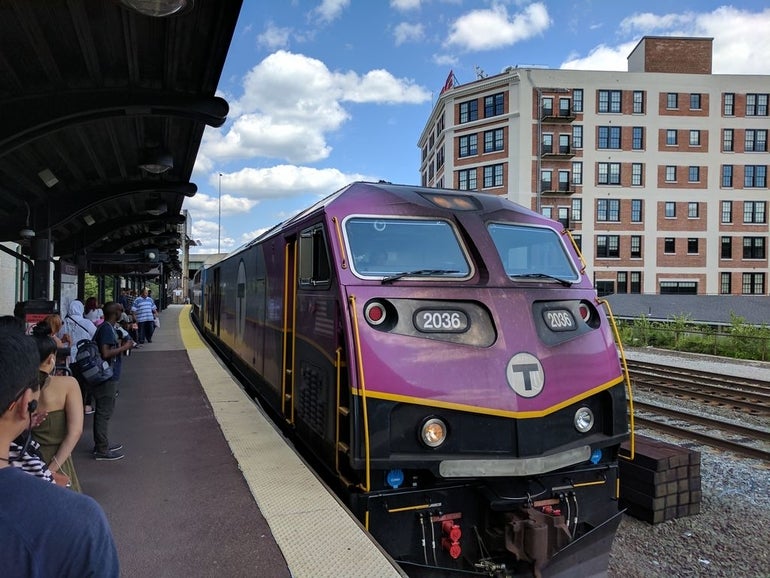
MBTA Commuter Rail (Operations, Keolis, & Short Term)

Wondering why the MBTA's institutional culture/posture seems to draw inspiration from the Kremlin circa 1936... might as well be asking why the sky is blue.

https://www.bostonglobe.com/2026/04/22/business/mbta-commuter-rail-contract-bidding-keolis/
Ehh it's honestly pretty common that sending the full RFP is restricted to only the RFQ or prequal'd respondents for business / bidding purposes. They did it for Type 10 procurement, for one example. Not giving it to the Globe when FOIA'd is a little weirder.
 
  • Like
Reactions: DBM
Ehh it's honestly pretty common that sending the full RFP is restricted to only the RFQ or prequal'd respondents for business / bidding purposes. They did it for Type 10 procurement, for one example. Not giving it to the Globe when FOIA'd is a little weirder.
In Massachusetts, public project requests for proposals (RFPs) and bids are generally kept confidential until the bids are opened or the contract is awarded, depending on the specific procurement statute (such as M.G.L. c. 30B or c. 149A). Once proposals are opened or a contract is awarded, they become public documents subject to disclosure under the Massachusetts public records law, regardless of whether they contain trade secrets.

Basically it is the law to keep the RFP confidential during the bidding process. It protects the integrity of the bidding process and prevents collusion. It also protects the confidentiality of the Q&A between the Commonwealth and the bidders that often accompanies the RFP/bidding process (and often involves bidder confidential information).
 
  • Like
Reactions: DBM
In Massachusetts, public project requests for proposals (RFPs) and bids are generally kept confidential until the bids are opened or the contract is awarded, depending on the specific procurement statute (such as M.G.L. c. 30B or c. 149A). Once proposals are opened or a contract is awarded, they become public documents subject to disclosure under the Massachusetts public records law, regardless of whether they contain trade secrets.

Basically it is the law to keep the RFP confidential during the bidding process. It protects the integrity of the bidding process and prevents collusion. It also protects the confidentiality of the Q&A between the Commonwealth and the bidders that often accompanies the RFP/bidding process (and often involves bidder confidential information).
So I think both of us likely do some work in gov contracting, but I'm admittedly mostly on the side of those items typically procured only under the UPA, so I'll disclaim too much familiarity with any of the other sections.

I think we're perhaps speaking past each other a little, so I'll clarify - I agree that it's typical and legal process to keep the bids and proposals themselves sealed, until either the bids are opened or awarded, as you mentioned. Since this is a 2 part procurement with an RFQ prequalification stage, I'd say that its expected that the RFP would typically only be provided to those prequalified bidders. even if it includes "learnings" from the RFQ stage and takes into account information from prospective bidders, anything in it will have been handed to all qualified bidders. and my understanding is that there's a defined Q&A period prior to submittal that is typically "face up" - I believe common practice is for everyone's to be shared with all bidders. Absolutely the actual proposals themselves, and once they're opened the evaluations leading into BAFOs and the negotiations themselves should be confidential until an award decision is made, and even after are occasionally published redacted of sections respondents would have had to specifically disclaim as proprierary/confidential. but what the Globe wanted here wasn't the proposals from the respondents - its the RFP that was issued by the MBTA.

See MGL Ch 4, § 7 c. 26(h) - proposals and bids, but it's notably silent on the RFP itself, which in other chapters like 30A is specifically called out to be publicly available. That RFP is effectively a statement of the T's requirements it wants a prospective operator to meet, and there really should be no confidential information in that document, since it's been provided to all qualified bidders, written by the public agency, and can't be revised after closing. In the single phase procurements I'm more used to, its just about the core public facing document posted for transparency's sake leading into a procurement. Even if you're not a qualified bidder, and any bid you make would be rejected, my experience is that anyone should be able to see the plans and specifications and end up on the plansholder list. (Some security exceptions apply).

 
Last edited:
So I think both of us likely do some work in gov contracting, but I'm admittedly mostly on the side of those items typically procured only under the UPA, so I'll disclaim too much familiarity with any of the other sections.

I think we're perhaps speaking past each other a little, so I'll clarify - I agree that it's typical and legal process to keep the bids and proposals themselves sealed, until either the bids are opened or awarded, as you mentioned. Since this is a 2 part procurement with an RFQ prequalification stage, I'd say that its expected that the RFP would typically only be provided to those prequalified bidders. even if it includes "learnings" from the RFQ stage and takes into account information from prospective bidders, anything in it will have been handed to all qualified bidders. and my understanding is that there's a defined Q&A period prior to submittal that is typically "face up" - I believe common practice is for everyone's to be shared with all bidders. Absolutely the actual proposals themselves, and once they're opened the evaluations leading into BAFOs and the negotiations themselves should be confidential until an award decision is made, and even after are occasionally published redacted of sections respondents would have had to specifically disclaim as proprierary/confidential. but what the Globe wanted here wasn't the proposals from the respondents - its the RFP that was issued by the MBTA.

See MGL Ch 4, § 7 c. 26(h) - proposals and bids, but it's notably silent on the RFP itself, which in other chapters like 30A is specifically called out to be publicly available. That RFP is effectively a statement of the T's requirements it wants a prospective operator to meet, and there really should be no confidential information in that document, since it's been provided to all qualified bidders, written by the public agency, and can't be revised after closing. In the single phase procurements I'm more used to, its just about the core public facing document posted for transparency's sake leading into a procurement. Even if you're not a qualified bidder, and any bid you make would be rejected, my experience is that anyone should be able to see the plans and specifications and end up on the plansholder list. (Some security exceptions apply).
I always thought that they maintained confidentiality of the RFP during the bidding process, because for a complex bid it is typically not a static document. It undergoes revision based on feedback from the qualified bidders. But much of that feedback is considered confidential (until the winner is announced), so the RFP access is restricted, as it is modified, to the qualified bidding pool. Once the bid is awarded (or times out) all the documents become public in MA (not true in all states).
 

Back
Top