Other People's Rail: Amtrak, commuter rail, rapid transit news & views outside New England

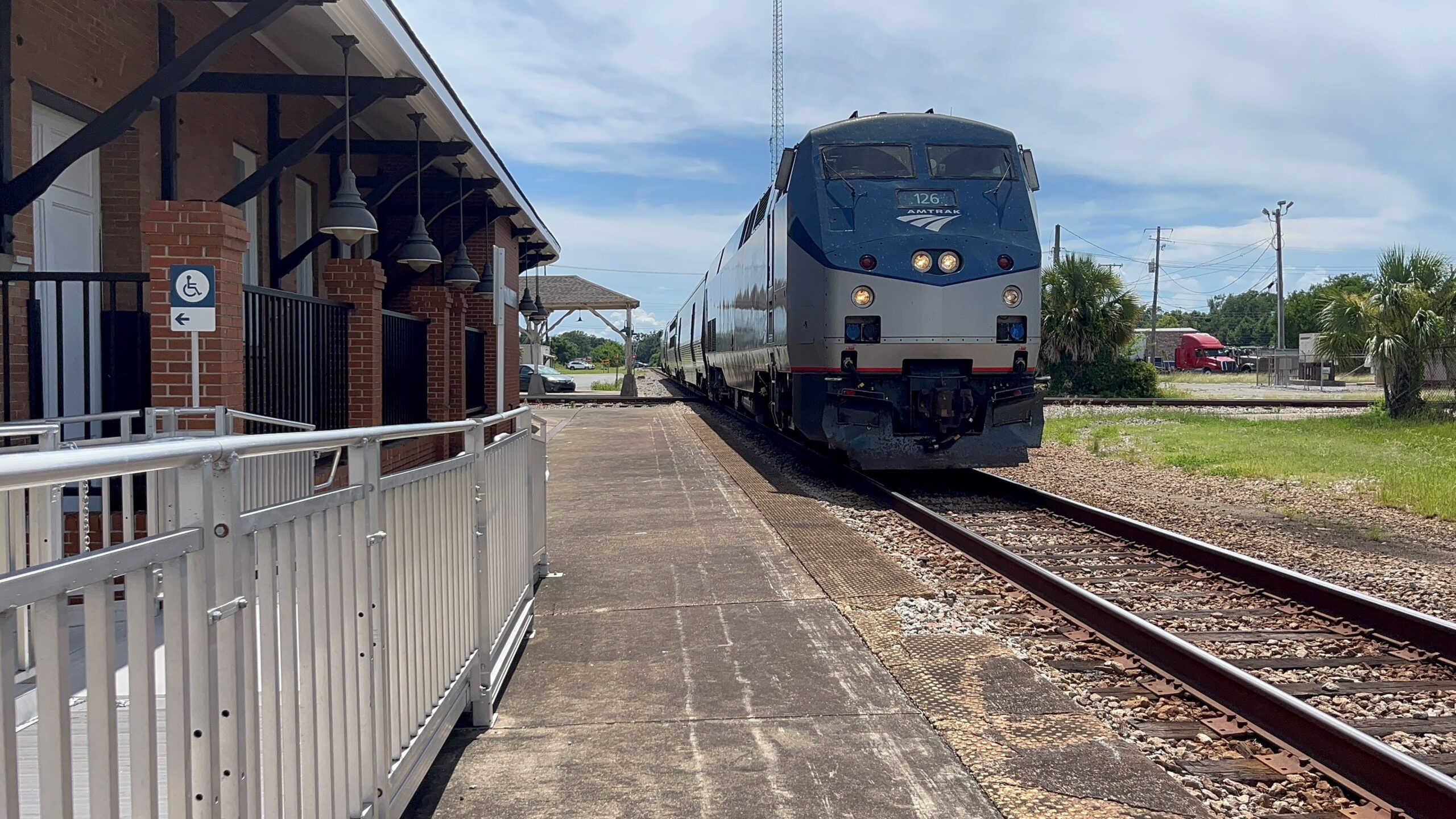
MOBILE, Ala., and NEW ORLEANS – Tickets are now available for new twice-daily Amtrak intercity train service starting Aug. 18 between Mobile, Ala., and New Orleans, along the Mississippi Gulf Coast. The new state-sponsored Amtrak Mardi Gras Service will offer convenient morning and evening departures from both cities – plus a promotion to introduce Amtrak Guest Rewards to the region.
[...]
Adult coach fares end-to-end start at $15 each way, less for shorter distances. There are everyday discounts for children ages 2-12, students, seniors, veterans, military personnel and families, small groups, large groups, and others.
 
"Sources, however, say Deutsche Bahn pushed for ambitious, European-style changes, while some of the Crown agency’s leadership resisted, insistent that things work differently in Canada."

F%^*ing hell. Worse; did they mean worse? They meant to say worse, right? What an awful, unfunny joke. We're never fixing this problem.
Metrolinx has finally detailed how much "worse" it's going to be: https://urbantoronto.ca/forum/threa...ication-metrolinx.20729/page-250#post-2244282

Pretty freaking worse. And electrification won't go into effect--on 3 lines only--until 2035-38, which is absolutely insane given that they've been planning it for over 10 years now.


"Can't-build" mentality runs rampant throughout the whole of North America, not just in 'Murica Fuck Yeah. :(
 
The agency filed a petition in Manhattan’s state Supreme Court to begin eminent domain proceedings against 10 sites in East Harlem, Crain’s reported. The MTA is looking to seize and demolish the sites, clearing the way for two subway entrances on East 116th Street.

The properties are on Second Avenue between East 115th and East 119th streets. Residential buildings, stores and a church are among the buildings that could be sacrificed. Impacted owners include Great Neck’s Ziva and Nasir Sasouness, the Shamooil family, the Movtady family and Aaron From’s Afco Development LLC.
From here, the MTA will spend four weeks making offers to property owners for the affected sites. Owners will have four months to either accept the agency’s offer or challenge it in court.
 
The Heartland Flyer will keep chugging along from Fort Worth to Oklahoma City — at least for another year.

The popular Amtrak passenger train will continue to operate after the Regional Transportation Council awarded $3.5 million funding from Regional Toll Revenue allocations on July 10 to keep the service going for one year. The Texas Legislature did not appropriate funding to match the amount Oklahoma provides for the train.
 
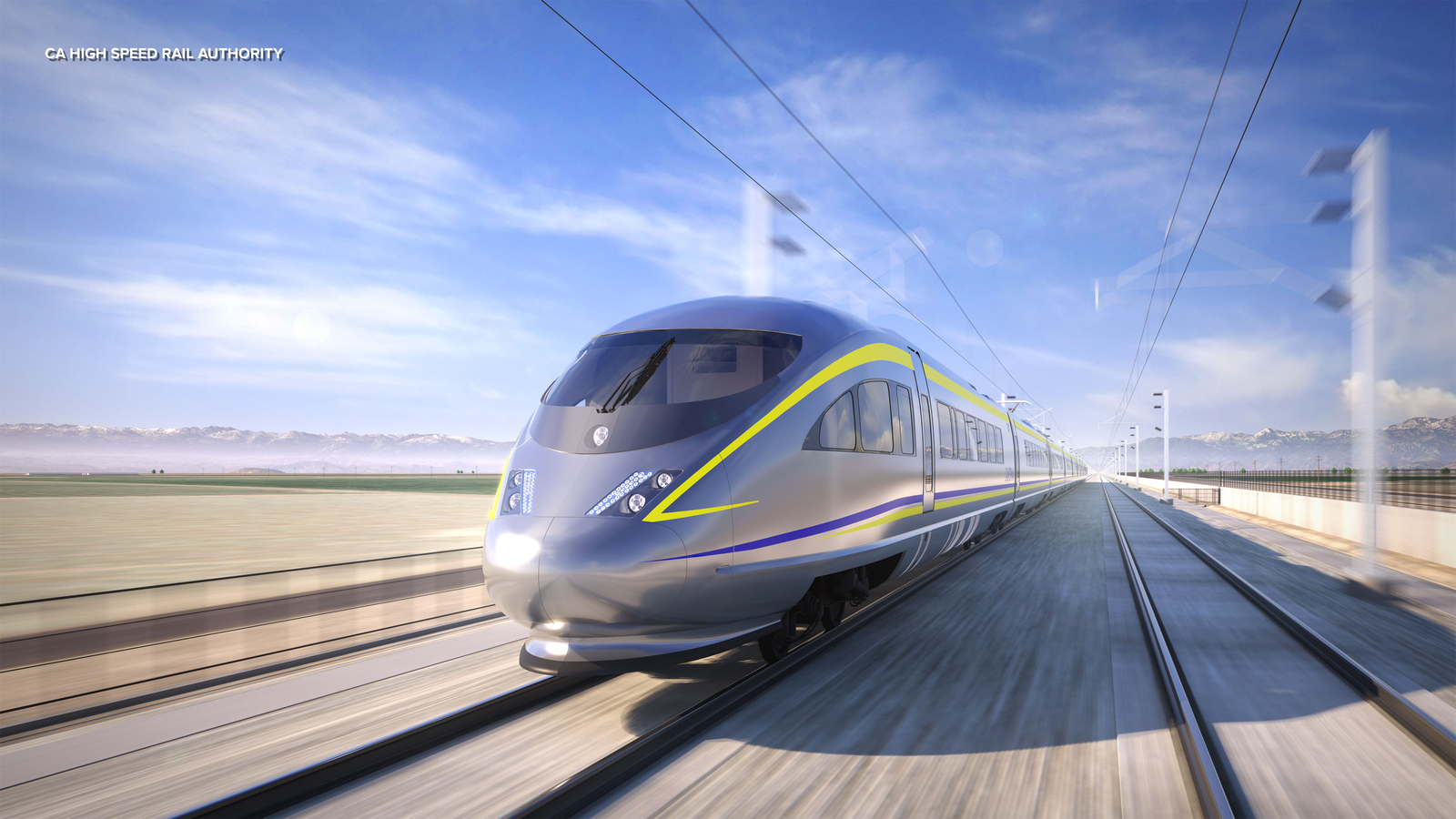
High Speed? It would be slower than a two-seat ride on existing Amtrak routes!
A proposal — dubbed “The Transcontinental Chief” and pitched to Amtrak as well as President Trump and his secretary of transportation, Sean Duffy — would shoot riders between the country’s two biggest cities in just 72 hours.
nyp to lax.JPG

Delaware-based Ameristar Rail said it would use existing infrastructure owned by Amtrak and other regional rail lines passing through major cities like Kansas City, Chicago and Philadelphia rather than launch a massive and costly new public project.
[...]
AmeriStarRail hopes to have it running by May 10, 2026 — in time for the FIFA World Cup, which is being hosted across North America, with the finals at MetLife Stadium in New Jersey.
The people running Ameristar Rail are nuts.
 
Last edited:
High Speed? It would be slower than a two-seat ride on existing Amtrak routes!

View attachment 65002

The people running Ameristar Rail are nuts.
As a comparison, Chinese High Speed Rail from Beijing to Guangzhou, roughly 1,400 miles, takes 8 hours. Do that twice and you have NYC to LA in 16 hours. The only thing "high" about the Ameristar proposal are the people promoting it.
 
High Speed? It would be slower than a two-seat ride on existing Amtrak routes!

View attachment 65002

The people running Ameristar Rail are nuts.
They want to do a couple transcontinental Auto Train routes as well and haul mixed tractor-trailer freight on those runs as if they've found some never-before-thought-of profit center under their noses. They're also polluting social media with crayon maps riddled with lots of bad AI slop.

Total unserious astroturf outfit. I don't know how they manage to get any press attention.
 

Somebody combed through public records and tallied it all up: Brightline has killed 182 people since the first test trains started running in 2017. 158 on-foot or on-bike, and surprisingly only 24 inside of cars even though those were the ones that got the most press. 75 were ruled suicides. 157 of them were in the southernmost 3 counties on the route--Miami-Dade, Broward, and Palm Beach counties--where the tracks pass through the most population density by far. 60% of the deaths weren't at grade crossings, meaning the concern might be misplaced as to where the most risk is (i.e. security fencing for trespassers is needed more badly than better grade crossing protection).
 
 
That is why programs get stopped by him because he's too damn busy cutting things so that the filthy rich can stay wealthy & the poor stay poorer. He's all for the filthy rich people!!!! 2028 just can't get here fast enough!!!!!!!! We'll be so done with him & he can't run for a third term in office!!!!!!!!!! :mad: :mad:
 
The $7.7 billion project is scheduled to open in 2032, adding three new stations to the Q line. Two of them will be beneath Second Avenue at East 106th and 116th streets. A third would be an overhaul to the existing 125th Street-Lexington Avenue station, which would reshape a transit hub that sees more violent crime than any other in the city.

The MTA is currently working to finalize a contract to dig the tunnel for the extension. It represents a major step towards the completion of not just a transit line that’s been promised for roughly a century, but also a move that will change the face of one of Manhattan’s poorest areas.

Interviews by Gothamist found that for many locals, the project is a once-in-a-generation chance to make their neighborhood safer and more accessible. For others, it brings the risk of gentrification that could price them out of East Harlem altogether.
 
Now, more than 10 years after groundbreaking, we are nearing the finish line. The project is 98 percent complete according to the STS project managers.

Yet there’s still a lot of work to do before the stations are anticipated to open to the public in Fall, 2025. We’re currently in our critical testing phase, which can last about five or six months.
[...]
Very soon, we’ll begin testing system integration to Metro Rail Operations Center (ROC). After that (and we don’t have a date yet) the CPUC (California Public Utilities Commission) mandates at least 60 days of pre‑revenue service before the rail line can open.
 

Somebody combed through public records and tallied it all up: Brightline has killed 182 people since the first test trains started running in 2017. 158 on-foot or on-bike, and surprisingly only 24 inside of cars even though those were the ones that got the most press. 75 were ruled suicides. 157 of them were in the southernmost 3 counties on the route--Miami-Dade, Broward, and Palm Beach counties--where the tracks pass through the most population density by far. 60% of the deaths weren't at grade crossings, meaning the concern might be misplaced as to where the most risk is (i.e. security fencing for trespassers is needed more badly than better grade crossing protection).

Just read this today. Very moving piece with some great data visualizations--worth a read.
 
Just read this today. Very moving piece with some great data visualizations--worth a read.
Some data that didn't make the article: much slower-moving Florida East Coast freight trains running on the same corridor have killed 132 people in the same span since 2018 at a rate of 13 per million miles traveled (FEC uses more of the corridor than Brightline does, so their mileage is higher and deaths-per-miles traveled significantly lower). If the freights were counted instead of just passenger agencies, it would rank third on the Top 15 list of most deaths per million miles traveled. 2 out of the Top 3 operators on the list being from the same line...definitely a safety issue with the line. I don't know why the FEC mainline from West Palm Beach to Miami has so many more trespassers than average, but that points to a crying need for security fencing along the whole corridor if faster passenger trains and slower freights have killed over 300 people in 8 years. There's no line in the whole country that's more unsafe.

Actually, Top 7 on the list of deaths-per-miles-traveled are all Florida or California passenger systems. A separate Miami Herald article on the study methodology behind their original article also noted that Florida's two commuter rail systems--Tri-Rail and SunRail--also made the Top 10 in nationally deadliest passenger carriers (albeit at very small operating mileage so they didn't make the deaths-per-miles-traveled list). So maybe ROW trespassing has a loose correlation with warm-weather climates. Or there's a Florida thing going on where the state is not doing nearly enough vs. other states to educate the public of the dangers of trespassing.
 
I have to wonder how much is simply due to the number of grade crossings, both as collision points and as access points for trespassers and suicidal people. A lot of the lines in Florida and California didn't have much population density until midcentury, so they missed out on the periods (especially the 1890s and 1930s) when denser areas like the Northeast had a lot of grade separations. The low terrain and high water table of Florida also means that underpasses aren't really feasible - you have to elevate either tracks or road.

Florida and California also have more sprawl with convoluted street layouts, so there's more incentive to illegally cross or walk along tracks to get where you're going. Chicagoland does have sprawl and grade crossings, but the densest areas are mostly grade separated, and most of the suburban areas have road following the tracks.
 
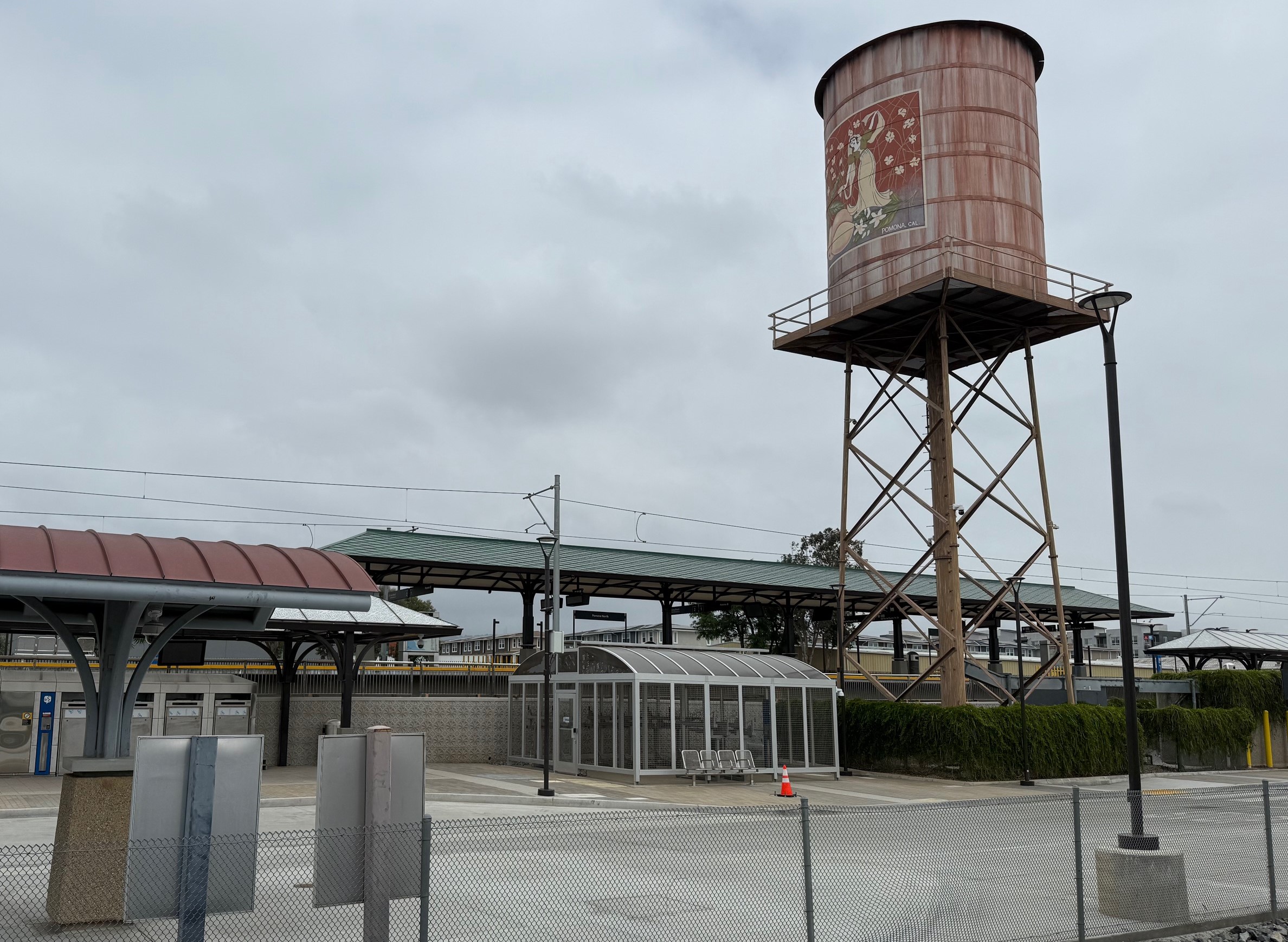
At 48.5 miles, the A Line is already the longest light rail line in the world. With the new extension, it will be 57.6 miles long - extending from Pomona through Pasadena and downtown L.A. to Long Beach.

An additional future extension to Claremont and Montclair is expected to begin construction soon. A possible Ontario Airport extension could build the line eastward through San Bernardino County.
 

Back
Top