Nice…
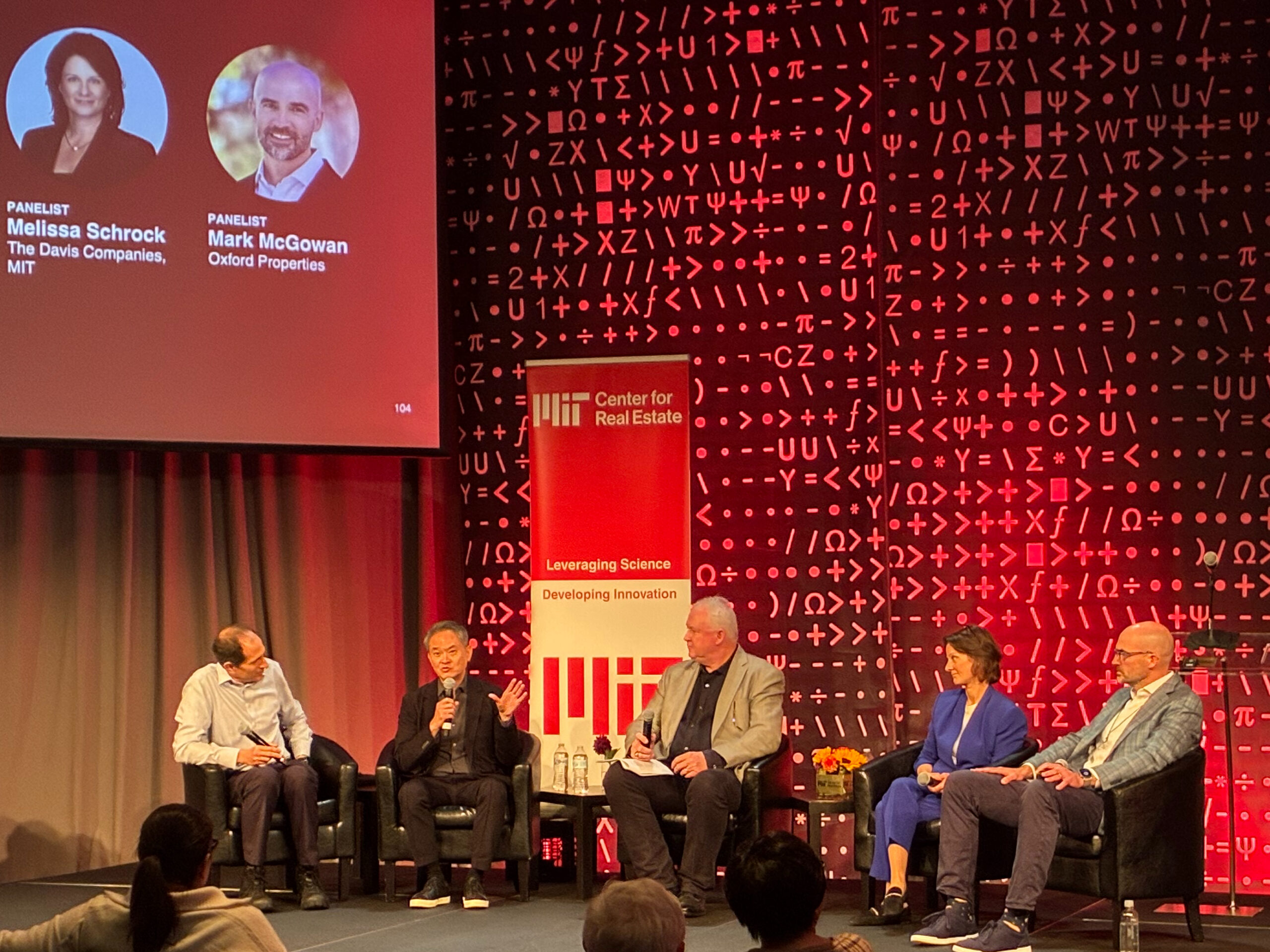
Kairos Shen sparred with developers over Boston’s affordable housing rules at an MIT forum, defending the city’s long-term desirability for investors.

bankerandtradesman.com
Here's Kairos' full quotation:
“It’s hard to develop here. It should be,” Shen said during a panel discussion sponsored by the MIT Center for Real Estate on Friday. “We’re developing good stuff, you know? You guys want us to lower our standards. Part of my job is to hold those standards and try to still make them work.”
If what he meant was, "We will never allow a criminally lax regulatory environment to emerge here, such that the appallingly shoddy and sloppy construction standards that are blighting vasting swaths of the Sun Belt* are allowed to flourish,"
then who on this forum would object?
-------------------
*here's the awfulness that emerges when you Google "DR Horton shoddy construction Sun Belt":
D.R. Horton, the nation’s largest homebuilder, faces a massive wave of criticism, public complaints, and high-profile construction defect lawsuits—with a heavy concentration across the Sun Belt states. Fueled by a post-pandemic population boom in regions like Florida, Texas, Georgia, the Carolinas, and Louisiana, the builder has faced intense scrutiny for prioritizing speed over quality. In response to soaring legal liabilities, D.R. Horton vastly increased its financial reserves for legal claims to a staggering $1.1 billion. The primary issues plaguing D.R. Horton developments across the Sun Belt involve several critical areas of concern:
1. Severe Moisture & Mold Issues (The Gulf Coast & Louisiana)
In humid Sun Belt climates, construction errors involving the building envelope are disastrous. Thousands of homeowners in Louisiana and Florida have entered litigation over systemic moisture intrusion.
• The "Humidity" Lawsuits: A massive ongoing class-action effort in Louisiana alleges that D.R. Horton homes are fundamentally unable to withstand the region's intense humidity due to faulty HVAC sizing, poor vapor barriers, and improper building envelopes.
• Widespread Toxic Mold: Over 120 homes in a single community in Slidell, Louisiana, tested positive for toxic mold, leading to severe structural damage and reported health issues for residents.
2. Failure to Withstand Severe Weather (The Coastal South)
D.R. Horton frequently markets its coastal homes under safety designations like "Gold Fortified"—a standard meant to withstand Category 3 hurricane winds.
• Storm Failures: Lawsuits in Alabama, Florida, and South Carolina claim that homes marketed with these storm-resistant standards suffered catastrophic failures during hurricanes because the builders failed to install the reinforcement materials to code.
3. Structural and Mechanical Defects (Texas, Georgia & Florida)
Across the Sun Belt, rapid-fire building timelines (often wrapping up homes in weeks rather than months) have resulted in severe shortcuts:
• Plumbing Failures: Homeowners in Georgia and Texas have filed lawsuits over widespread failures of PEX piping and brass fittings, which degrade prematurely and cause tens of thousands of dollars in water damage.
• Foundation and Slab Cracking: In South Carolina and Texas, class-action lawsuits have targeted the builder for using sub-standard concrete mixtures that lack the necessary compressive strength, leading to sinking foundations and structural wall cracks.
• Neighborhood Drainage Disasters: Entire subdivisions in South Carolina and Georgia have sued over failing neighborhood drainage and unmaintained storm ponds, which cause yards to pool with standing water or sewer backup



 www.bostonglobe.com