themissinglink
Senior Member
- Joined
- Jan 13, 2018
- Messages
- 2,199
- Reaction score
- 6,274

Boston needs a plan to pay for flood protection - The Boston Globe
Boston can look to other cities to learn how they developed investment strategies.
 www.bostonglobe.com
The city knows what it needs to pay for because it is a national leader in resilience planning. Thanks to the 2016 Climate Ready Boston report and subsequent neighborhood-level plans, Boston has comprehensive plans for the entire waterfront and an active set of near-term projects in the most urgent areas. These include installing a berm at Ryan Playground to protect Charlestown and creating short- and long-term strategies for Long Wharf, one of the city’s most vulnerable flood pathways.
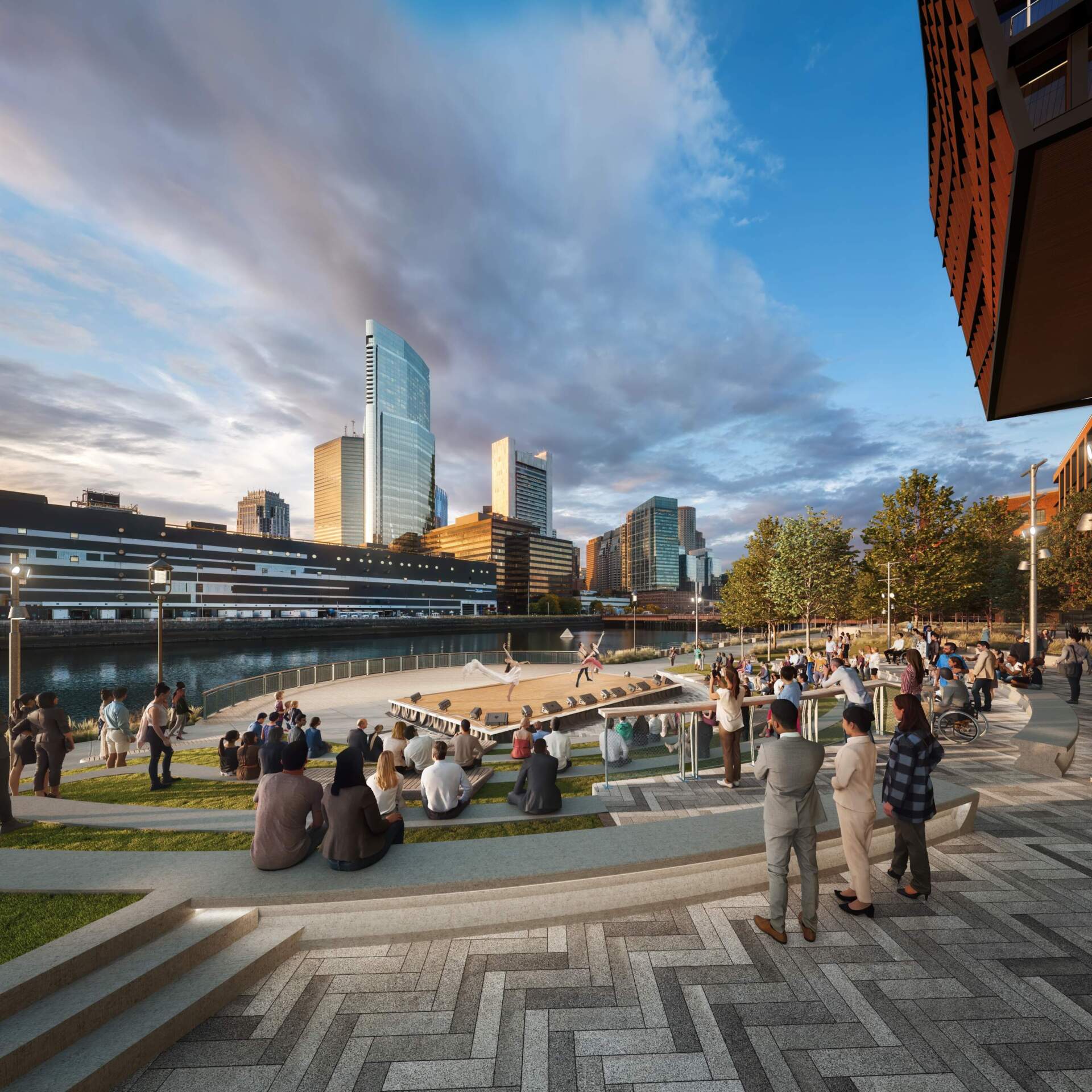
The city owns 16 percent of the waterfront; 50 percent is owned by the state, and 30 percent is owned by the private sector, making collaboration across ownerships key to get us to scale. So far, primarily city-owned parks and new private development along Fort Point Channel have been built.
In the private sector, lenders increasingly are asking real estate developers not only how they are incorporating flood protection into their development projects but also how their neighbors have done so and what the impact of neighborhood flood planning will be on their developments.
The city of Boston’s setting aside $75 million for resilience capital investments is a critical first step on funding, and the Healey administration’s Mass Ready Act is a statewide bill that includes a “Resilience Revolving Fund” of low- or no-cost loans to municipalities and expanded authorization of funding for the state’s Municipal Vulnerability Preparedness Program.