Dorchester Infill and Small Developments

Six-story apartment building approved for Dorchester's big-pear square​

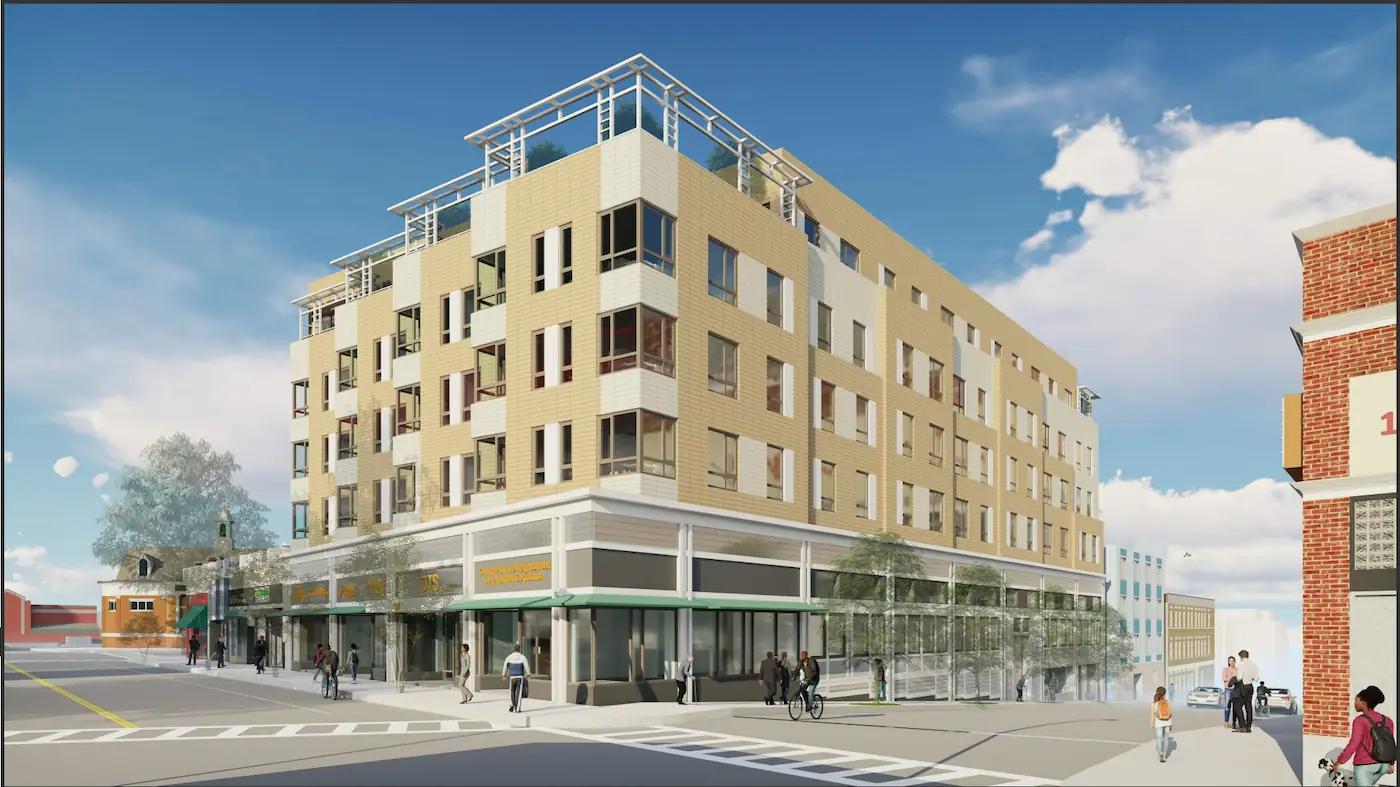
Rendering of proposed apartment building


“The Zoning Board of Appeal today approved a developer's plans for a six-story, 45-unit apartment building on a parcel that stretches from Massachusetts Avenue to Boston Street in Edward Everett Square in Dorchester, home of the city's largest statue of a pear(link is external).

Developer Doug George's plans for 1274 Massachusetts Ave. include eight affordable apartments. Also: First-floor retail space and 25 parking spaces in an underground garage. In a filing with the Boston Planning Department, he said access to the parking would be via a ramp at the neighboring 1258 Massachusetts Ave., which he previously built…..”


Six-story apartment building approved for Dorchester's big-pear square​

Rendering of proposed apartment building


“The Zoning Board of Appeal today approved a developer's plans for a six-story, 45-unit apartment building on a parcel that stretches from Massachusetts Avenue to Boston Street in Edward Everett Square in Dorchester, home of the city's largest statue of a pear(link is external).

Developer Doug George's plans for 1274 Massachusetts Ave. include eight affordable apartments. Also: First-floor retail space and 25 parking spaces in an underground garage. In a filing with the Boston Planning Department, he said access to the parking would be via a ramp at the neighboring 1258 Massachusetts Ave., which he previously built…..”


Thanks Stick. I believe you had previously made a dedicated thread for this one as well?
 
PART 1 OF 3

7/12 & 7/13:

----

900 Morrissey Boulevard (Hotel to residential conversion - 99 units)


----

247 Hancock Street (47 units)


----

500 Talbot Avenue (42 units)


----

33 Hamilton Street (36 units)


----

3 Aspinwall Road (34 condos)


----

185-191 Geneva Avenue (27 units - inactive?)


----

150-160 Morrissey Boulevard (BC High - Patrick F. Cadigan '52 Family Foundation Wellness Complex)


----

25 New England Avenue (23 units)


----

1121 Dorchester Avenue (21 units)


----

315 Mount Vernon Street (Dorchester Fieldhouse - Martin Richard Foundation and the Boys & Girls Clubs of Dorchester)


----

151 Spencer Street (19 units)


----

270 Talbot Avenue (18 condos)


----

22 High Street (15 units)


----

131-133 Hancock Street (Conservatory Lab Charter School addition)


----

425-427 Quincy Street (14 units)


----

77-81 Harvard Street (13 units)

 
PART 2 OF 3

7/12 & 7/13:

----

405 Washington Street (13 units)


----

1028-1044 Blue Hill Avenue (12 units)


----

104-108 Norwell Street (12 units across 3 buildings)


----

1015-1019 Blue Hill Avenue (10 units)


----

218-256 Washington Street (Washington Street Urban Forest)


----

171-179 Bowdoin Street (9 units)


----

100 Allstate Road (9 units)


----

583 Ashmont Street (9 units)


----

1039 Blue Hill Avenue / 6 Fabyan Street (8 units)


----

84 Harvard Street (8 units)


----

60 Stanley Street
(8 units)


----

101-107 Norwell Street (8 units across 4 buildings)


----

268 Geneva Avenue (7 units)


----

276 Geneva Avenue (7 units)


----

1520 Dorchester Avenue (Boston Public Library - Fields Corner Branch)


----

241 Geneva Avenue (6 units)


----
 
PART 3 OF 3

7/12 & 7/13:

----

22 Eunice Street (6 units)


----

706 Dudley Street (26 units - possibly inactive? Community/church building)


----

118 Bowdoin Street (Debre Menkrat Saint Gabriel Ethiopian Orthodox Tewahedo Church)


----

94 Harvard Street (4 units)


----

6 Groom Street (Gut renovation - 4 units)


----

57 Nightingale Street (3 units)


----

143-147 Norwell Street (3 single-family homes)


----

52 Bellevue Street (3 units)


----

27-29 Browning Avenue (2 units)


----

1 Rock Terrace
(2 units)


----

419 Geneva Avenue (Gut renovation)


----

Second Church in Dorchester and Codman Square Park (Renovations)


----
 
-Under review

29-33 Romsey Street​

View attachment 63687

“The Proposed Project calls for the demolition of the existing, vacant structures on the 25,271 square foot site at 29 - 33 Romsey Street, to allow for the construction of a new, two-building residential development including seven (7) townhouses and a twenty-two (22) unit residential building, of which twelve (12) units will be income-restricted affordable units. Both buildings will be supported by the preservation and improvement of the existing Romsey Circle for vehicular and pedestrian access, and substantial landscaping and site improvements.”


Both buildings included
View attachment 63840
View attachment 63841
Supplemental filing
-Approved. 2 buildings, one is 7 townhouses, the other is a 22 unit residential with 12 affordable.
1753117485792.png


Current site:
IMG_3258.jpeg
 

Ground-breaking in Grove Hall for 48-unit senior development​


IMG_9174.png


“The Jamaica Plain Neighborhood Development Corporation (JPNDC) and the Uphams Corner Health Center broke ground last week on a senior citizen housing model in Grove Hall that will include health services accessible to both residents and patients.
The nonprofit JPNDC and Uphams Health combined forces on the project, which will include 48 units of affordable rental housing for age 55 and over, with parking. The model provides for an expansion of the Program of All-Inclusive Care for the Elderly (PACE) at the location.

This “first-in-Massachusetts partnership” includes a 3,500-square-foot Senior Wellness Center on a three-parcel site at 4-18 Cheney St. that JPNDC has owned since 2018 and won city approvals to build on in 2021……”


1753726128318.jpeg


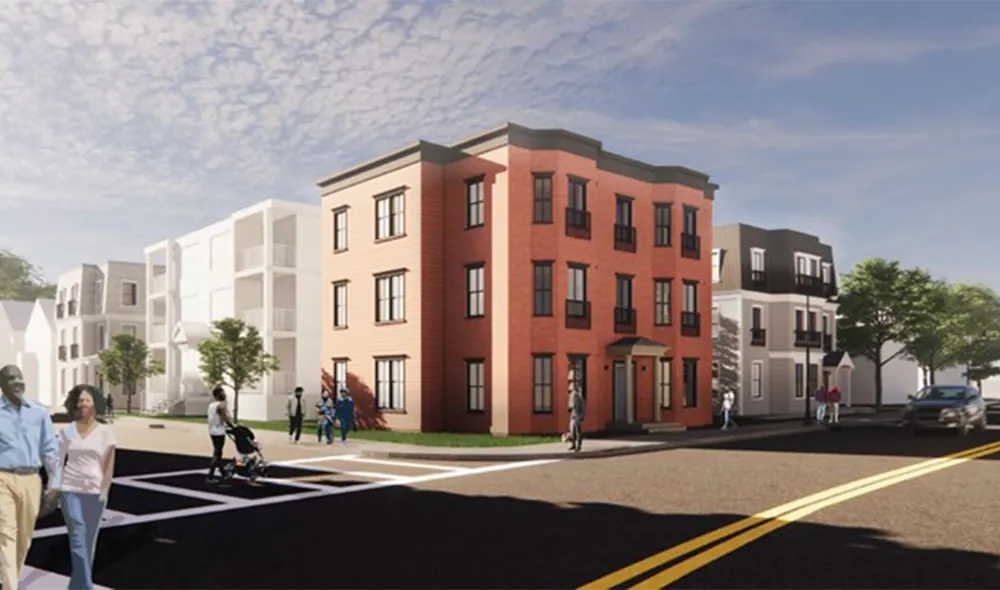
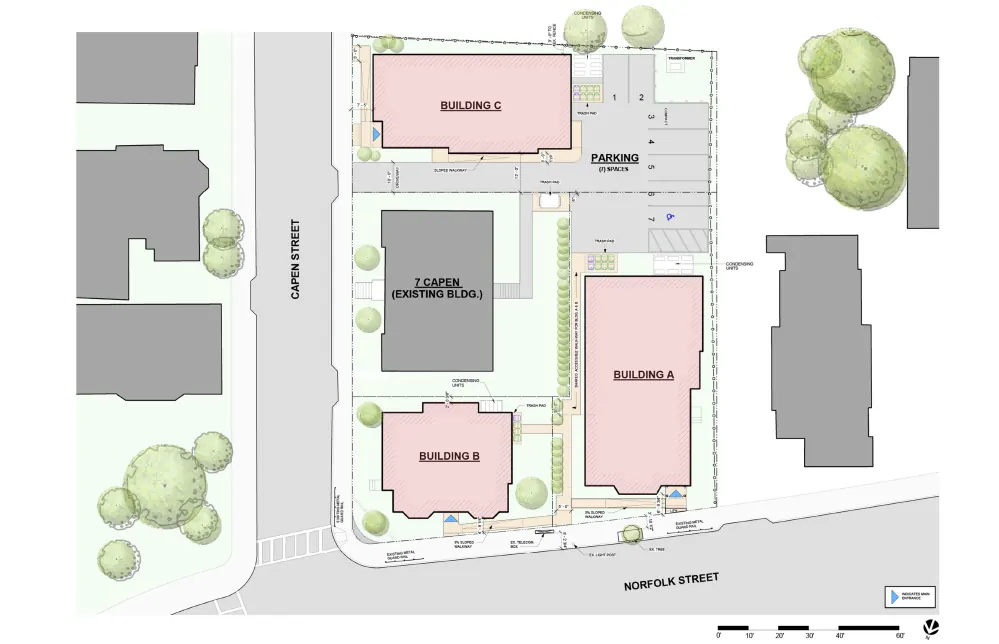
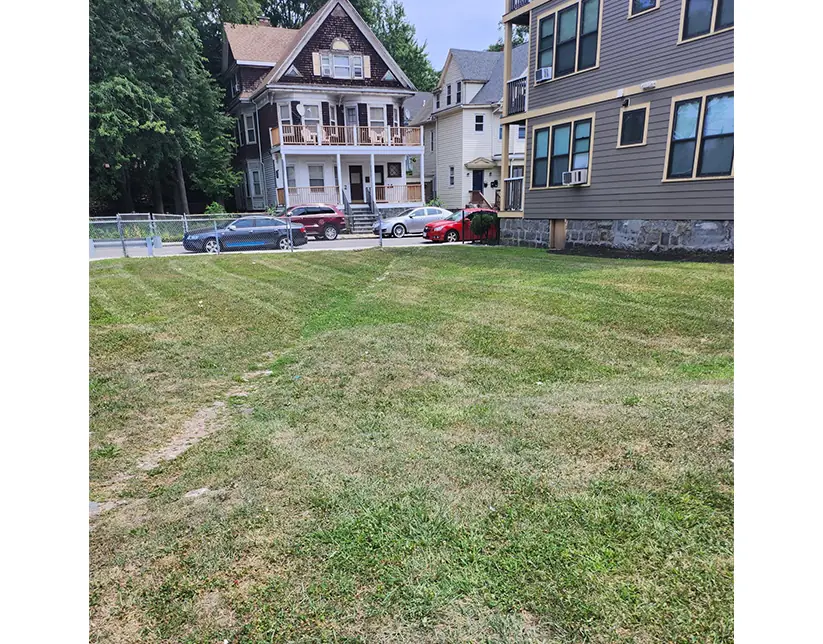
262, 270 Norfolk Street & 11 Capen Street
The Capen Street and Norfolk Street Condominiums are being built on three lots which abut our 7 Capen Street property. CSNDC was granted the right to develop these parcels through the Mayor’s Office of Housing’s Welcome Home, Boston program. CSNDC is constructing a three-story building on each lot, for a total of 15 new units which will be sold as affordable condominiums in the Summer/Fall of 2026. CSNDC is working with Jonathan Garland Enterprises Architecture + Design (JGE) as the architect on this project. JGE has followed the principles of Zero Emissions Design for all three buildings. Each building will have high-quality insulation, energy-efficient windows, HVAC, and LED lighting. CSNDC anticipates beginning construction at all three addresses in the Summer of 2025…….”

IMG_3404.jpeg

Capen-Norfolk-Rendering.webp

Capen-Norfolk-Site-Plan.webp

Capen-Norfolk-Vacant-lot-7.22.24.webp

 
A spokesperson for Jim Paskell, Jr., the owner of the 39 Minot St. property, confirmed to The Reporter that he is “exploring the possibility of creating additional housing on the nearly 25,000-square-foot site.”
According to Catherine O’Neil, who is advising Paskell, a meeting for abutters that was planned for July 23 was cancelled amid concerns that the venue scheduled to hold the meeting— McGonagle’s Pub on Neponset Avenue— could not accommodate a group larger than the 30-person abutters meeting initially planned.
[...]
News about the emerging project had been shared among abutters, some of whom requested and received internal city documents using a Freedom of Information Act (FOIA) request. The FOIA information suggests that city planning officials and Paskell have discussed adding as many as three four-story buildings – with roof decks – that could make for 26 new units on the site.
Ray and Lauren Hanley, who live directly across the street from the potential development, say they recognize the need for additional housing, but note that the scale of the project and the failure to engage abutters like them in the early stages have already prompted “significant community opposition to the scale, density, and neighborhood impacts.”
 

“Ray and Lauren Hanley, who live directly across the street from the potential development, say they recognize the need for additional housing, but…


note that the scale of the project and the failure to engage abutters like them in the early stages have already prompted “significant community opposition to the scale, density, and neighborhood impacts.”

-Theres always a but.
 
^ The best new development in Boston, in 2025. It proves that things are being over built and that everything does not need to be high end to "pencil in." The parking spaces, the bloated size of most other units, and all the unnecessary bells and whistles are as much of a problem as zoning or NIMBYs
 
^ The best new development in Boston, in 2025. It proves that things are being over built and that everything does not need to be high end to "pencil in." The parking spaces, the bloated size of most other units, and all the unnecessary bells and whistles are as much of a problem as zoning or NIMBYs
Its so telling that its locals who are doing one of the most important projects too, because they have a vested interest in the health of the community they live in. Developers are still living by the jack welch model of maximize profit THIS quarter at the expense of everything else.
 
Its so telling that its locals who are doing one of the most important projects too, because they have a vested interest in the health of the community they live in. Developers are still living by the jack welch model of maximize profit THIS quarter at the expense of everything else.
I mean this is completely not true. There's a load of contingencies that made this proposal work from essentially free land, given up as undevelopable by previous owners, to qualifying for a bunch of public services to avoiding affordable housing subsidies b/c of the burden they'd impose. The owners did a great job here, but it's not a model that will scale.
 
I mean this is completely not true. There's a load of contingencies that made this proposal work from essentially free land, given up as undevelopable by previous owners, to qualifying for a bunch of public services to avoiding affordable housing subsidies b/c of the burden they'd impose. The owners did a great job here, but it's not a model that will scale.
I think you took my comment the wrong way. I didnt say we should switch to this model exclusively and scale it up across the entire city. I just think its important to have examples of doing it different ways because right now the market is basically the only way and isnt solving all of the problems. I think theres going to have to be a lot of different ways we approach solving this crisis, and market rate housing by big developers is definitely one of them, but I dont think it is going to be or should be the only way. I think finding ways to empower small scale landlords/developers can be another piece of the puzzle and having successful examples to point to helps that. If they need some subsidies or a small developer fund to tap into get some of these going I think thats ok. Its a tradeoff but people who have lower paying jobs that do essential services need places to live too for the city to keep functioning.
 

Back
Top