At a press conference Tuesday morning outside the state transportation department, Councilors Brian Worrell and Miniard Culpepper pitched the Orange Line extension as a matter of equity.

www.bostonglobe.com
City councilors propose extending Orange Line beneath Blue Hill Avenue
Councilors Brian Worrell and Miniard Culpepper presented an alternative to the controversial plan for a center-running bus lane
By Emma Platoff Globe Staff
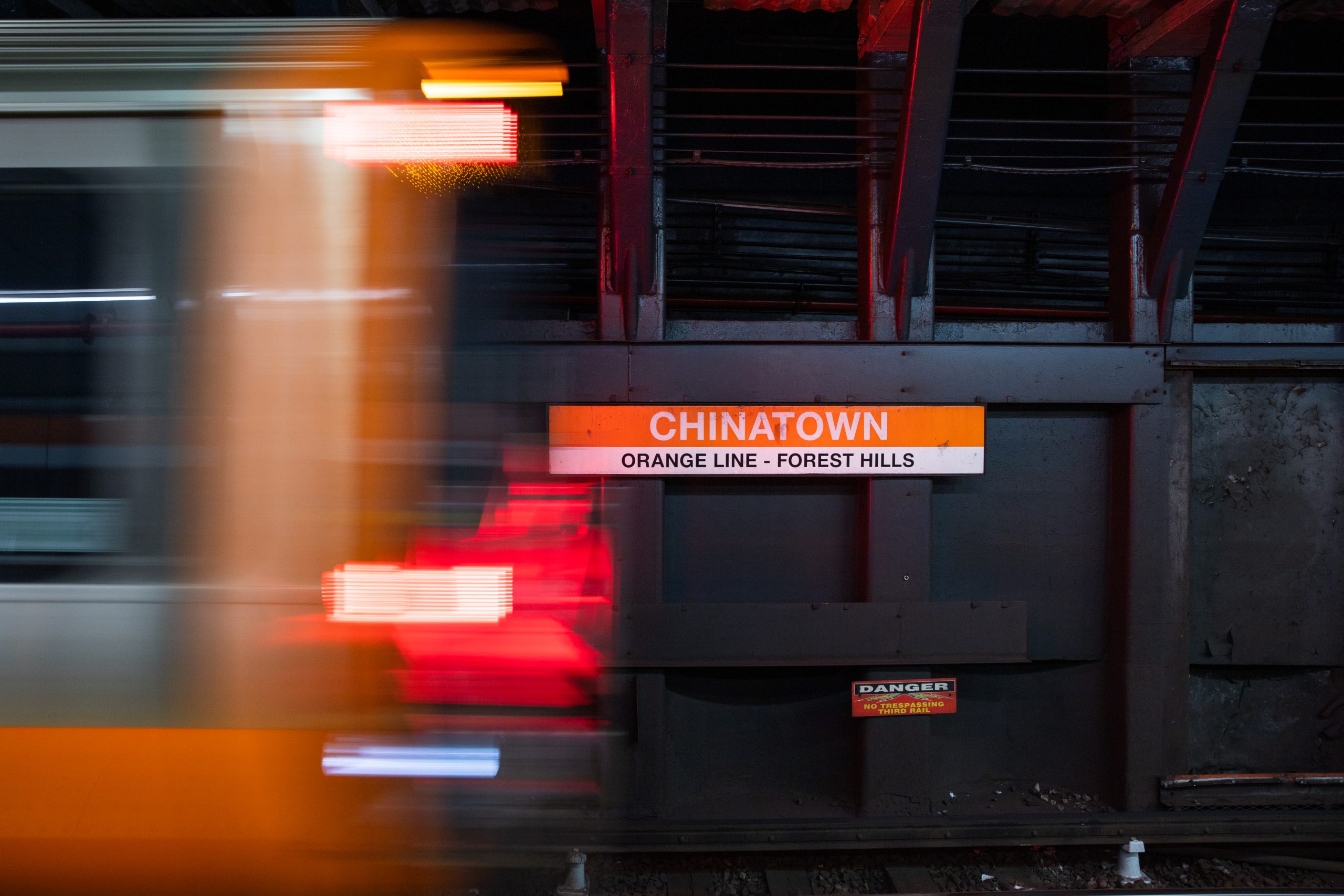
As they fight the plan for a controversial center-running bus lane along Blue Hill Avenue, two Boston city councilors on Tuesday proposed an alternative: extending the Orange Line subway beneath the street for what they said would be superior rail service.
At a press conference Tuesday morning outside the state transportation department, Councilors Brian Worrell and Miniard Culpepper pitched the Orange Line extension as a matter of equity. Why, they questioned, should the diverse communities they represent be stuck with shoddy bus service, while white neighborhoods elsewhere in the city can rely on the train?
“We believe we’ve been excluded,” Culpepper said, noting “there’s no train that goes through the Black community from Mattapan, to Grove Hall, to Nubian, to Ruggles.”
Blue Hill Avenue is one of Boston’s main arteries, traveling from Milton into the city through predominantly Black neighborhoods. Situated between the existing Orange and Red Lines, the neighborhoods are predominantly served by bus service, not rail.
“What we are proposing is to remedy this train desert ... so that we can enjoy the same kind of transportation that everyone else in the state enjoys,” Culpepper said.