Massachoicetts
Active Member
- Joined
- Jun 4, 2019
- Messages
- 573
- Reaction score
- 715
Wow! Its turning into our own little Weehawken!!


Guess again: You're in luck.


 https://flic.kr/p/2h3Pj81
  https://flic.kr/p/2h3TVs1
 Oceans
Sea levels in the Permian remained generally low, and near-shore environments were reduced as almost all major landmasses collected into a single continent—Pangaea. This could have in part caused the widespread extinctions of marine species at the end of the period by severely reducing shallow coastal areas preferred by many marine organisms.
Paleogeography
Geography of the Permian world
During the Permian, all the Earth's major landmasses were collected into a single supercontinent known as Pangaea. Pangaea straddled the equator and extended toward the poles, with a corresponding effect on ocean currents in the single great ocean ("Panthalassa", the "universal sea"), and the Paleo-Tethys Ocean, a large ocean that existed between Asia and Gondwana. The Cimmeria continent rifted away from Gondwana and drifted north to Laurasia, causing the Paleo-Tethys Ocean to shrink. A new ocean was growing on its southern end, the Tethys Ocean, an ocean that would dominate much of the Mesozoic era. Large continental landmass interiors experience climates with extreme variations of heat and cold ("continental climate") and monsoon conditions with highly seasonal rainfall patterns. Deserts seem to have been widespread on Pangaea. Such dry conditions favored gymnosperms, plants with seeds enclosed in a protective cover, over plants such as ferns that disperse spores in a wetter environment. The first modern trees (conifers, ginkgos and cycads) appeared in the Permian.
Three general areas are especially noted for their extensive Permian deposits—the Ural Mountains (where Perm itself is located), China, and the southwest of North America, including the Texas red beds. The Permian Basin in the U.S. states of Texas and New Mexico is so named because it has one of the thickest deposits of Permian rocks in the world.
Climate
Selwyn Rock, South Australia, an exhumed glacial pavement of Permian age
The climate in the Permian was quite varied. At the start of the Permian, the Earth was still in an ice age, which began in the Carboniferous. Glaciers receded around the mid-Permian period as the climate gradually warmed, drying the continent's interiors.[14] In the late Permian period, the drying continued although the temperature cycled between warm and cool cycles.
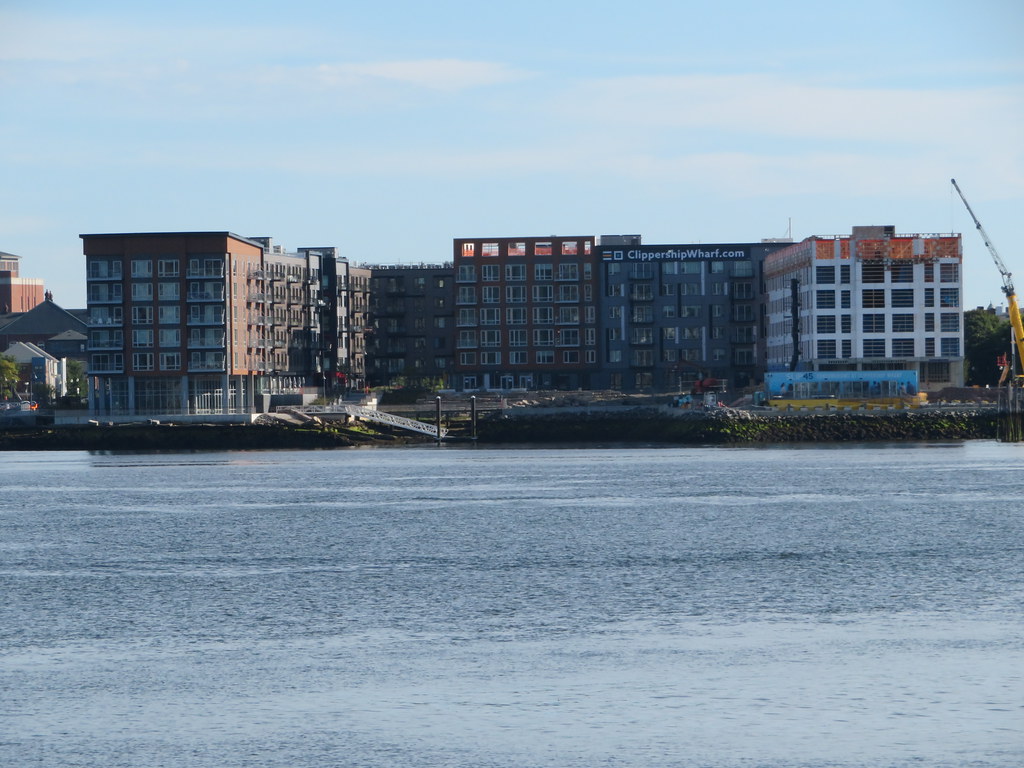 IMG_8642 by Bos Beeline, on Flickr
 IMG_8648 by Bos Beeline, on Flick
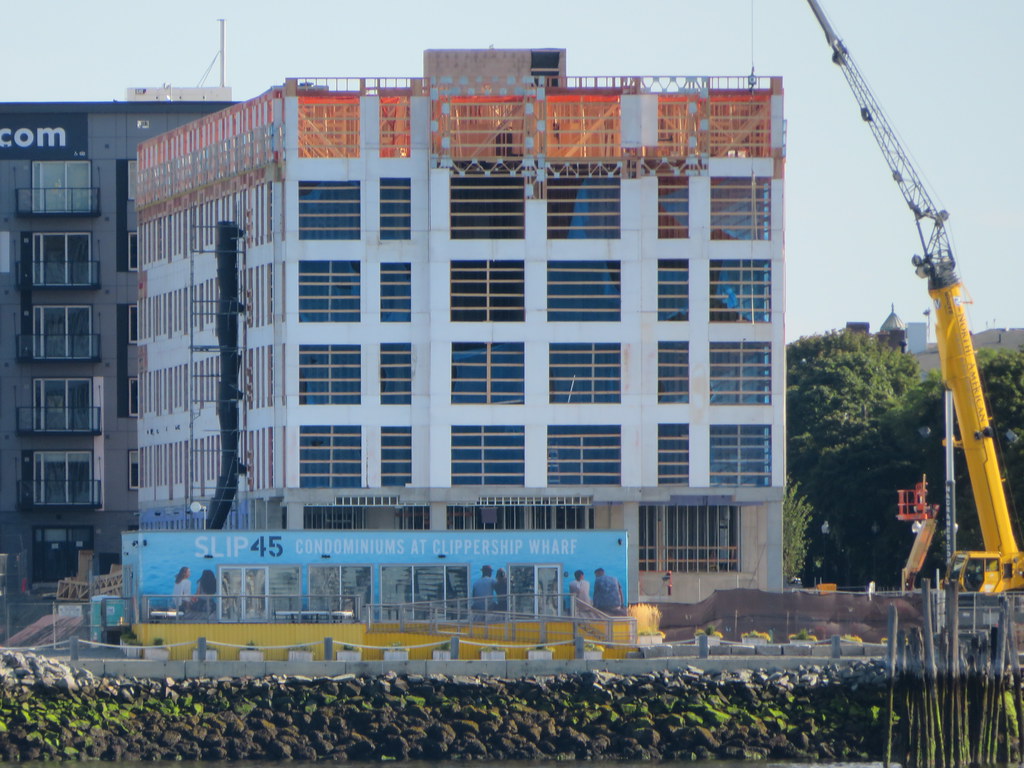 IMG_8646 by Bos Beeline, on Flickr
 IMG_9332 by Bos Beeline, on Flickr
 IMG_9340 by Bos Beeline, on Flickr
 IMG_9333 by Bos Beeline, on Flickr
 IMG_9339 by Bos Beeline, on Flickr
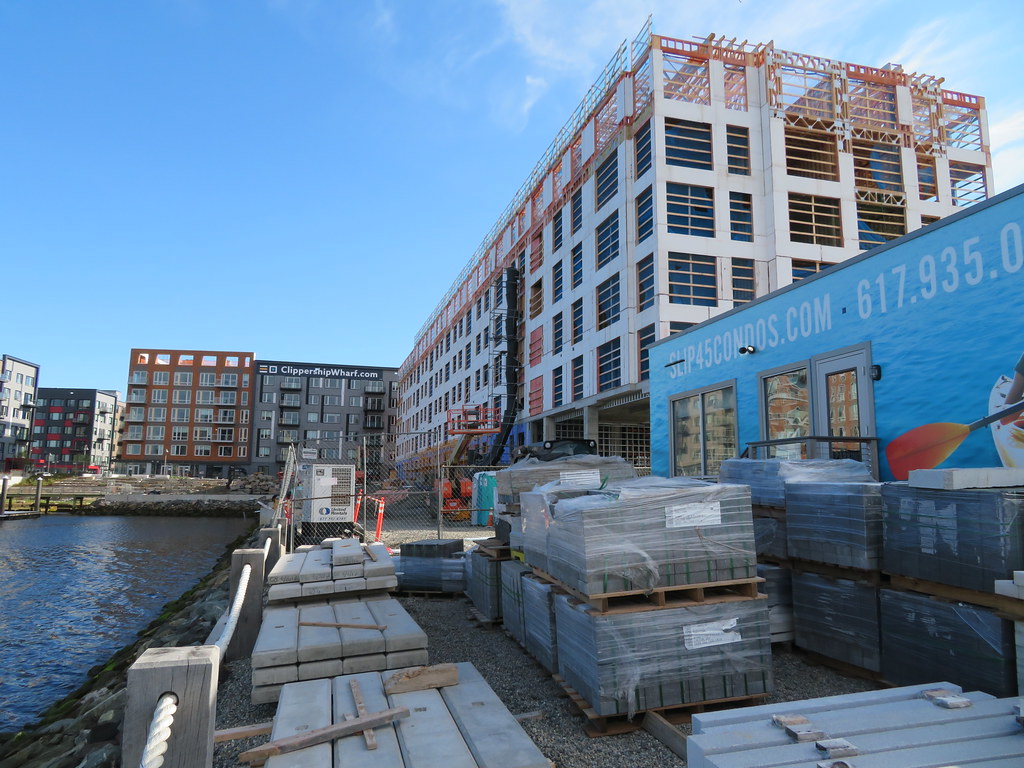 IMG_9347 by Bos Beeline, on Flickr
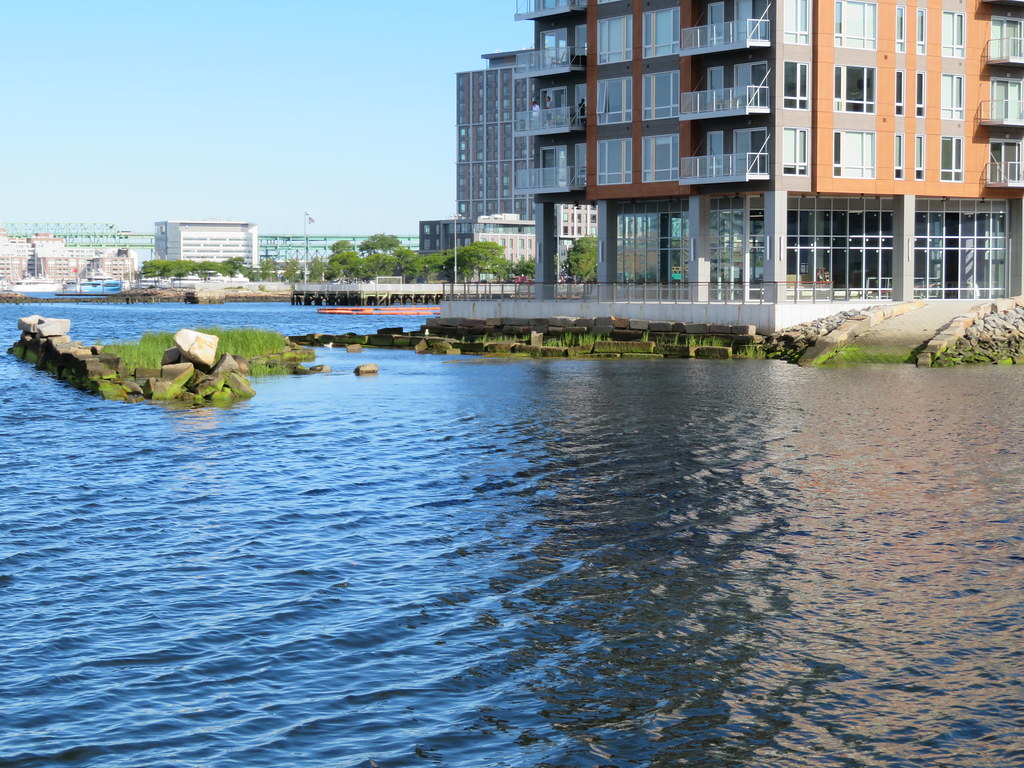 IMG_9349 by Bos Beeline, on Flickr
 IMG_9346 by Bos Beeline, on Flickr
 IMG_9345 by Bos Beeline, on Flickr
 IMG_9353 by Bos Beeline, on Flickr
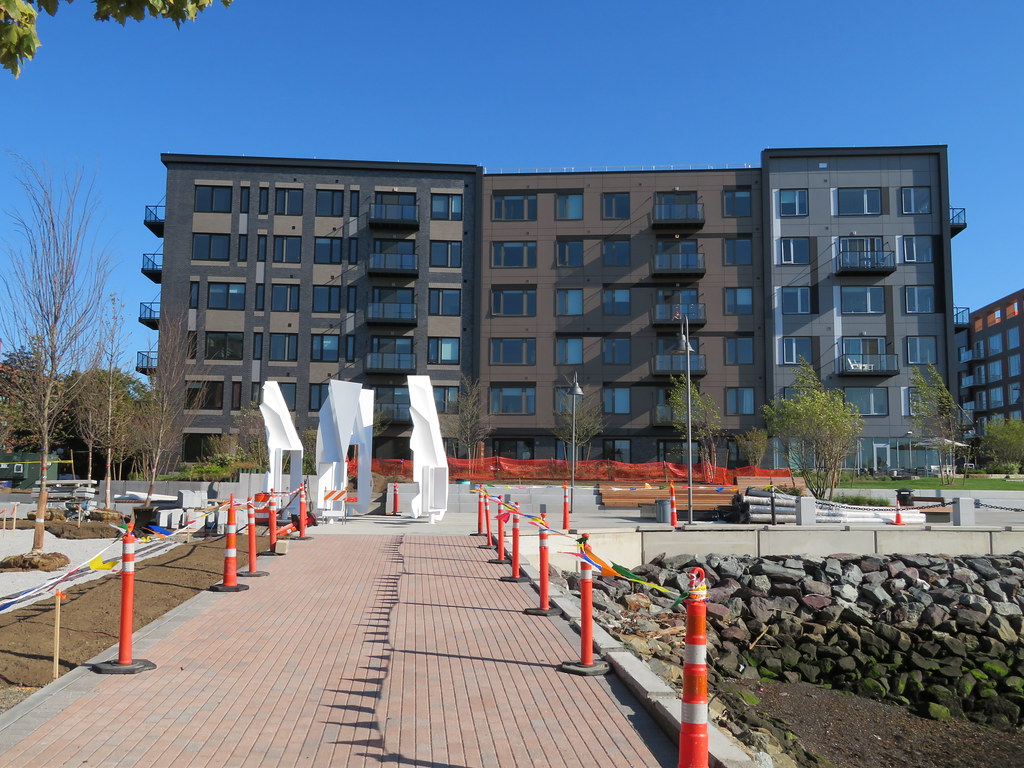 IMG_1913 by Bos Beeline, on Flickr
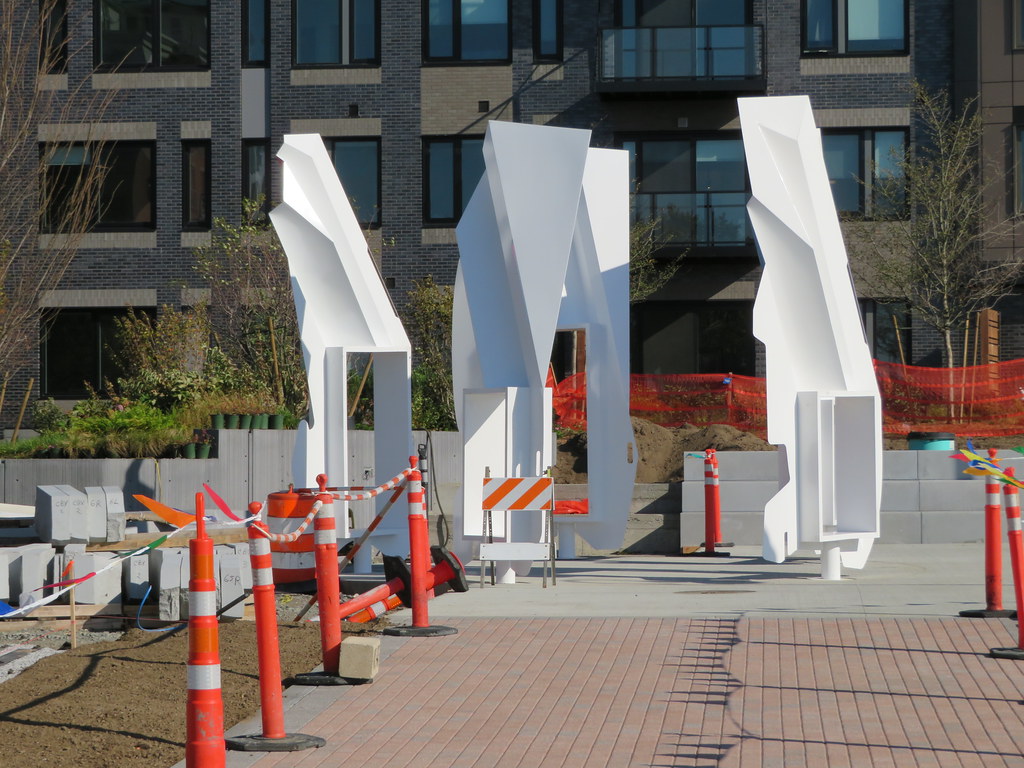 IMG_1914 by Bos Beeline, on Flickr
 IMG_1918 by Bos Beeline, on Flickr


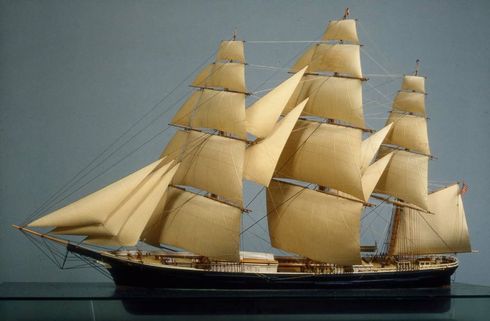
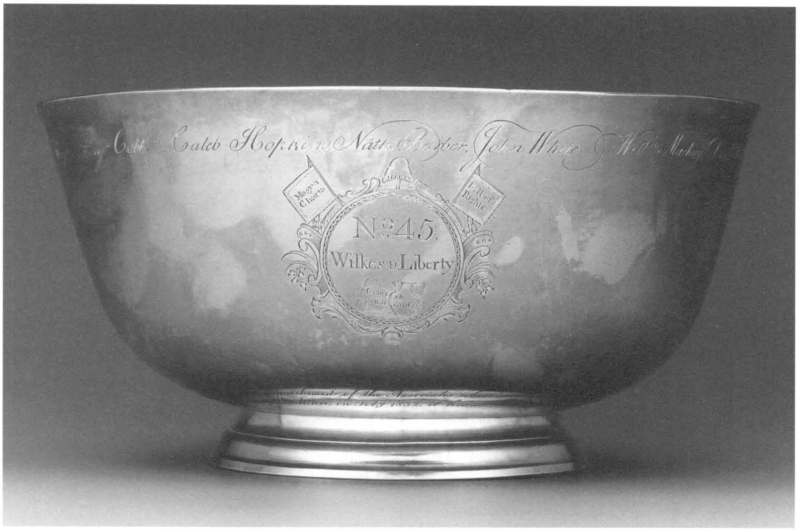
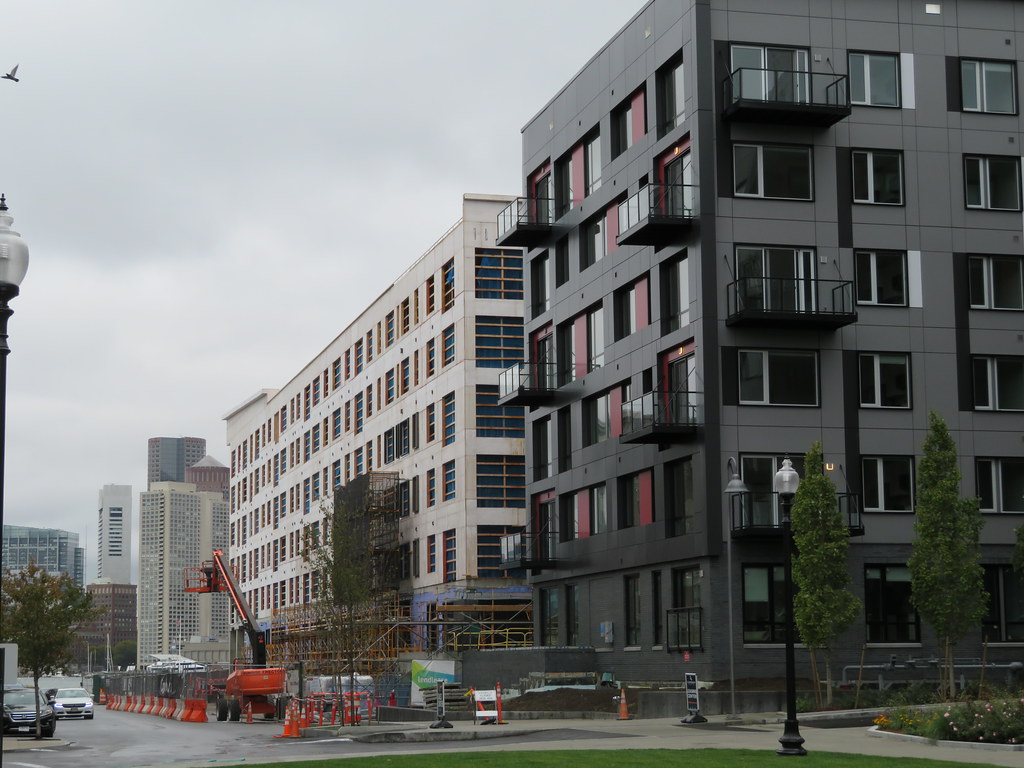 IMG_2958 by Bos Beeline, on Flickr
 IMG_2964 by Bos Beeline, on Flickr
 IMG_2962 by Bos Beeline, on Flickr
 IMG_2965 by Bos Beeline, on Flickr
 IMG_2959 by Bos Beeline, on Flickr
 IMG_2986 by Bos Beeline, on Flickr
 IMG_2987 by Bos Beeline, on Flickr
 IMG_3010 by Bos Beeline, on Flickr
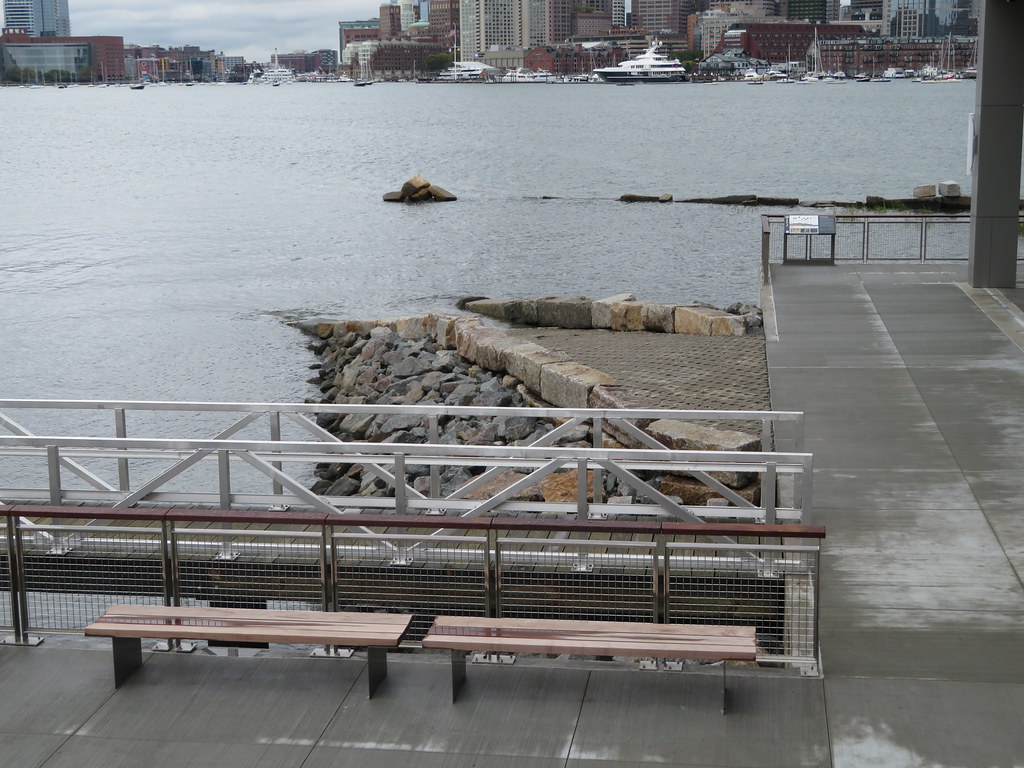 IMG_2961 by Bos Beeline, on Flickr
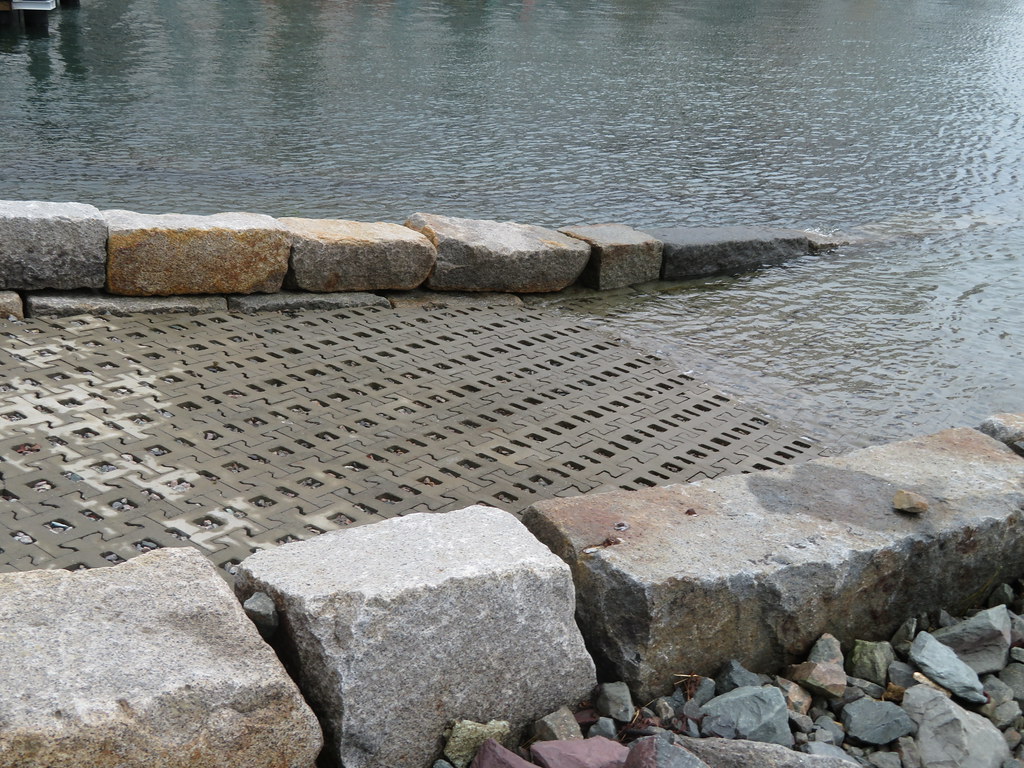 IMG_2967 by Bos Beeline, on Flickr
 IMG_2969 by Bos Beeline, on Flickr
 IMG_2970 by Bos Beeline, on Flickr
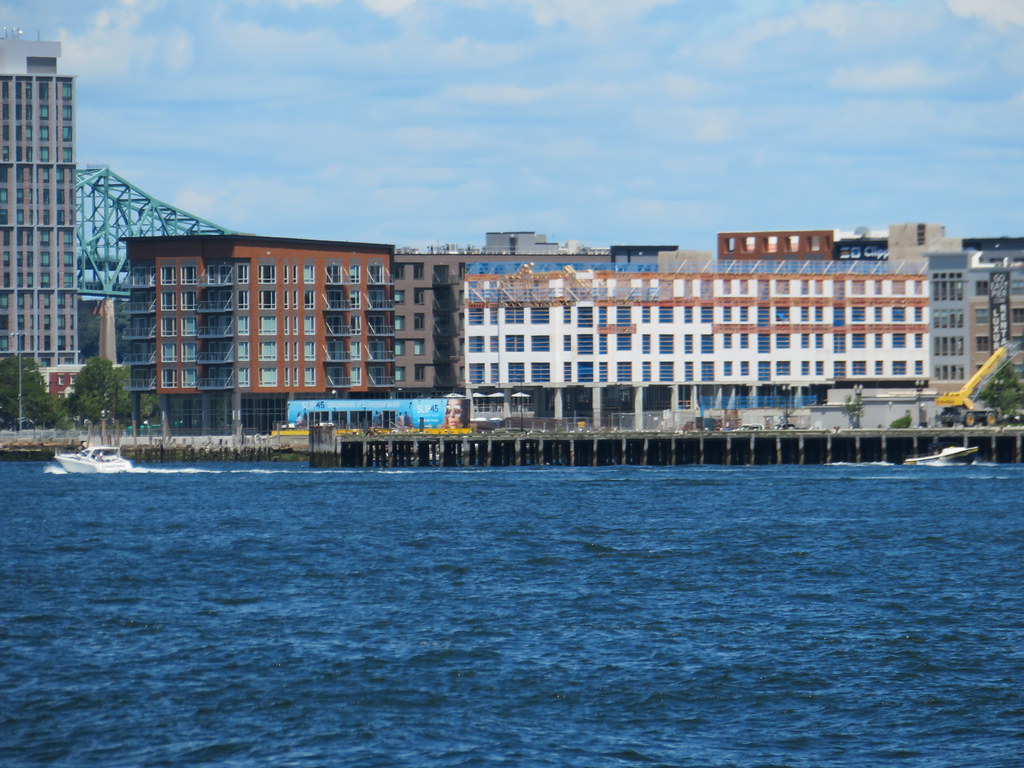


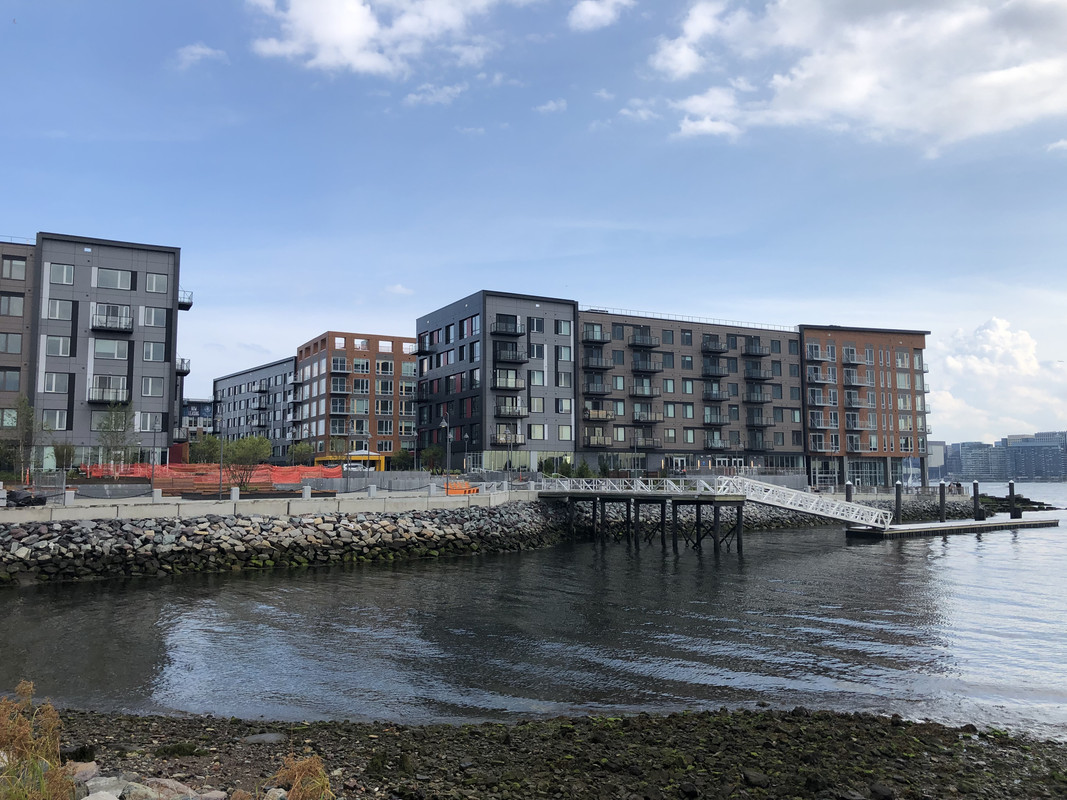


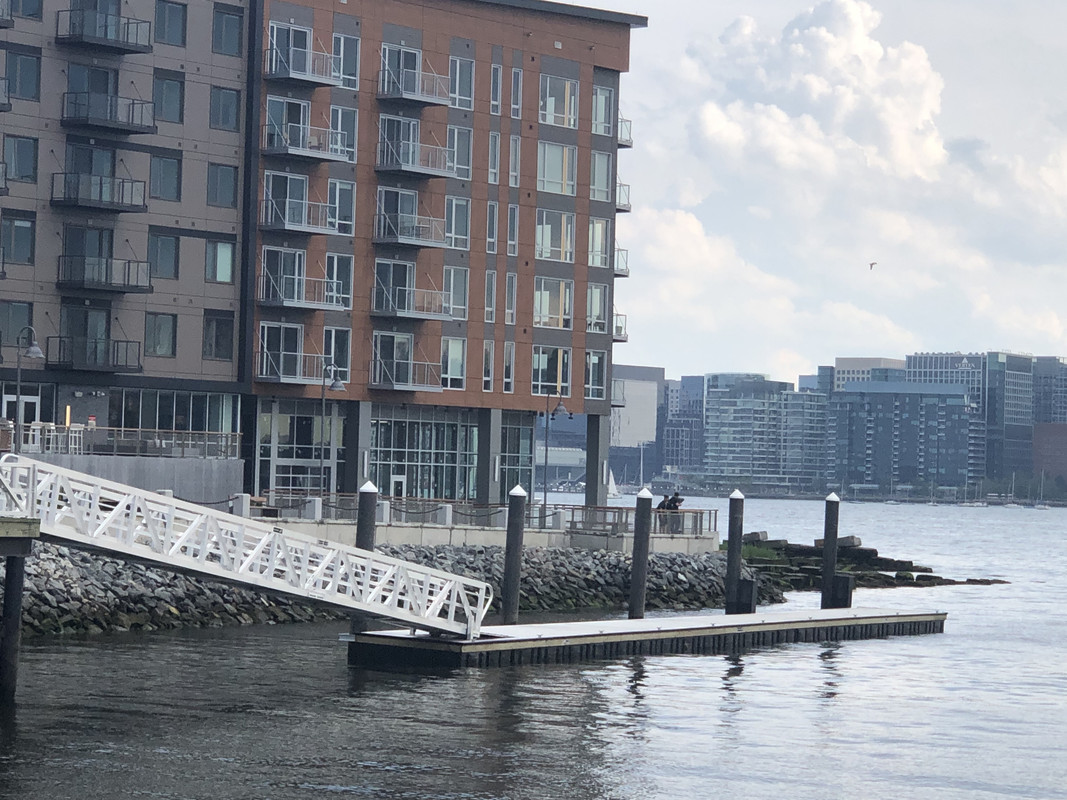

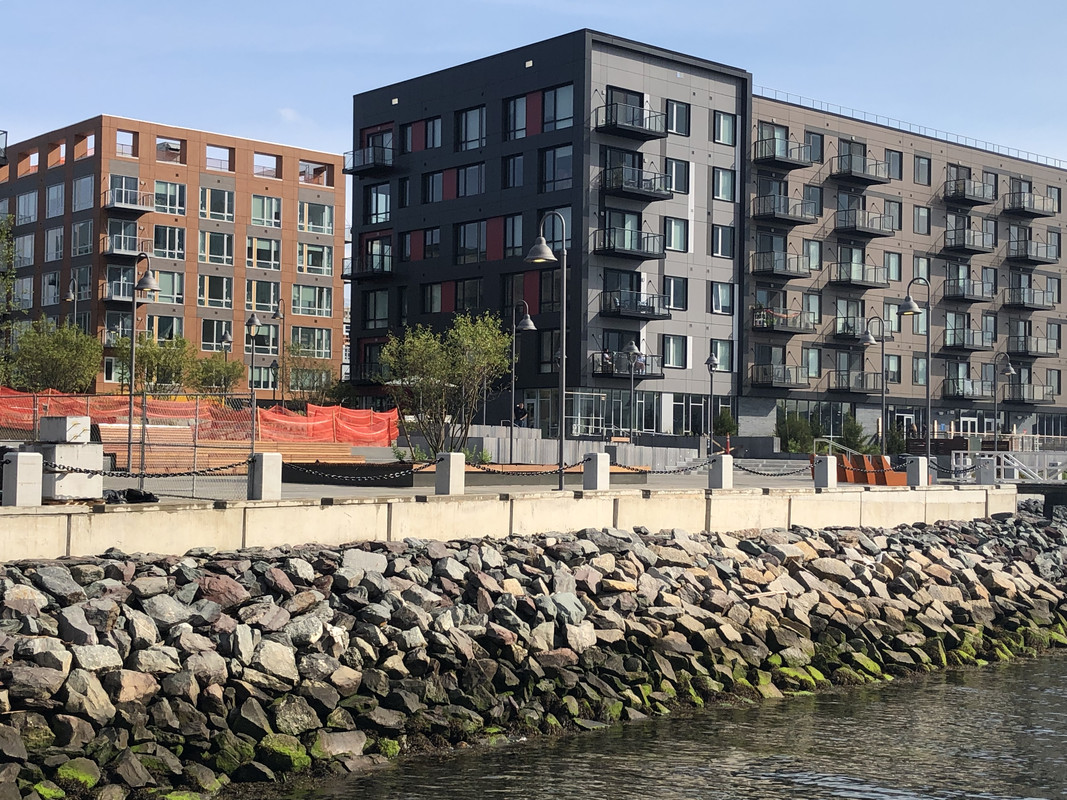

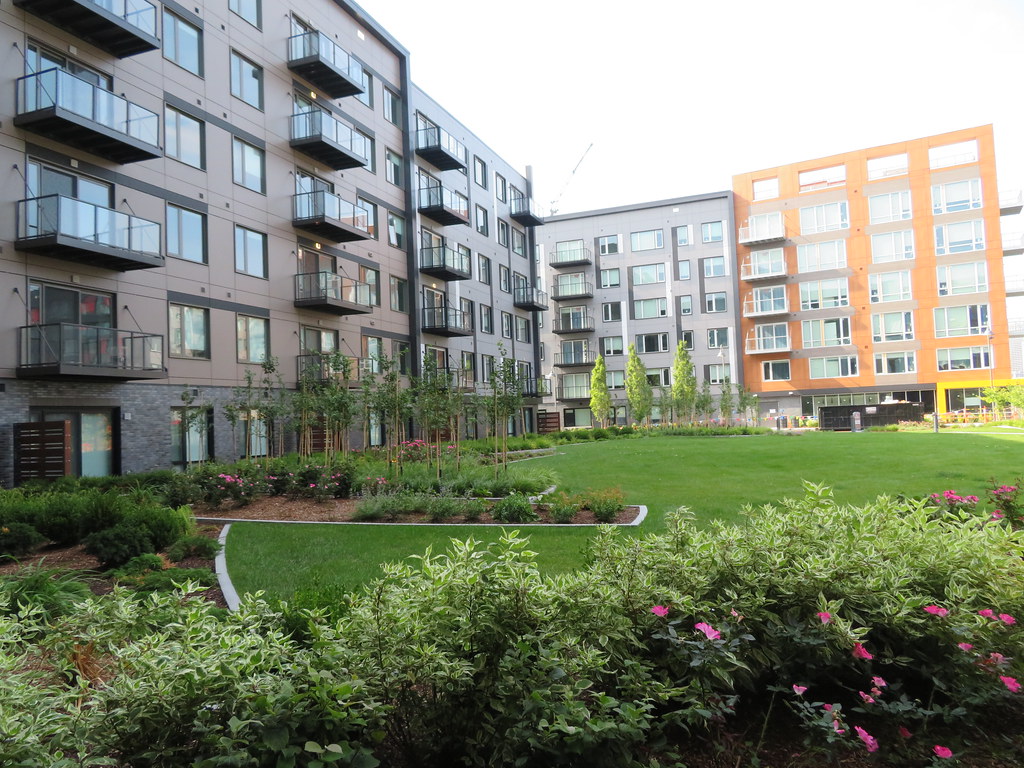


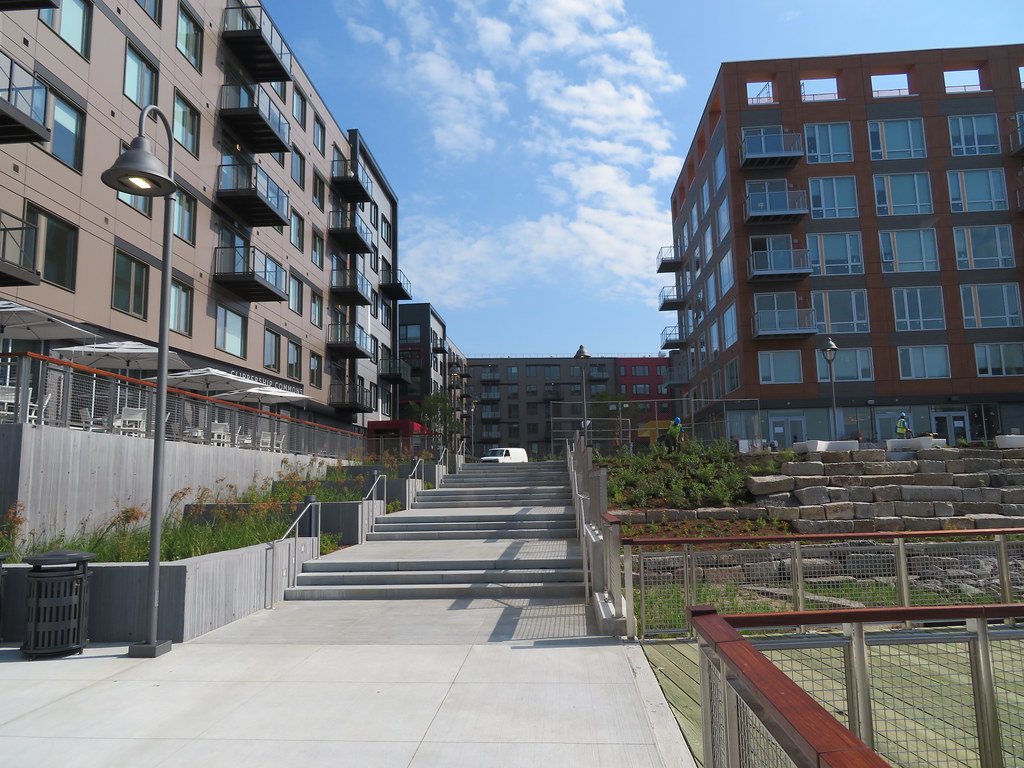


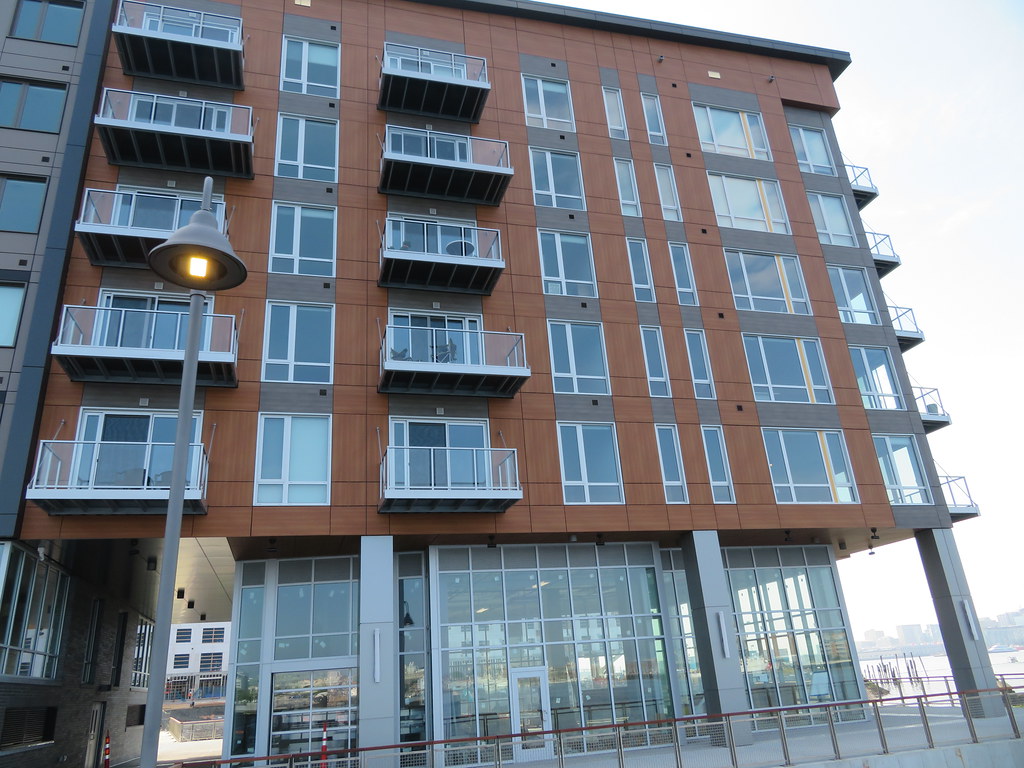
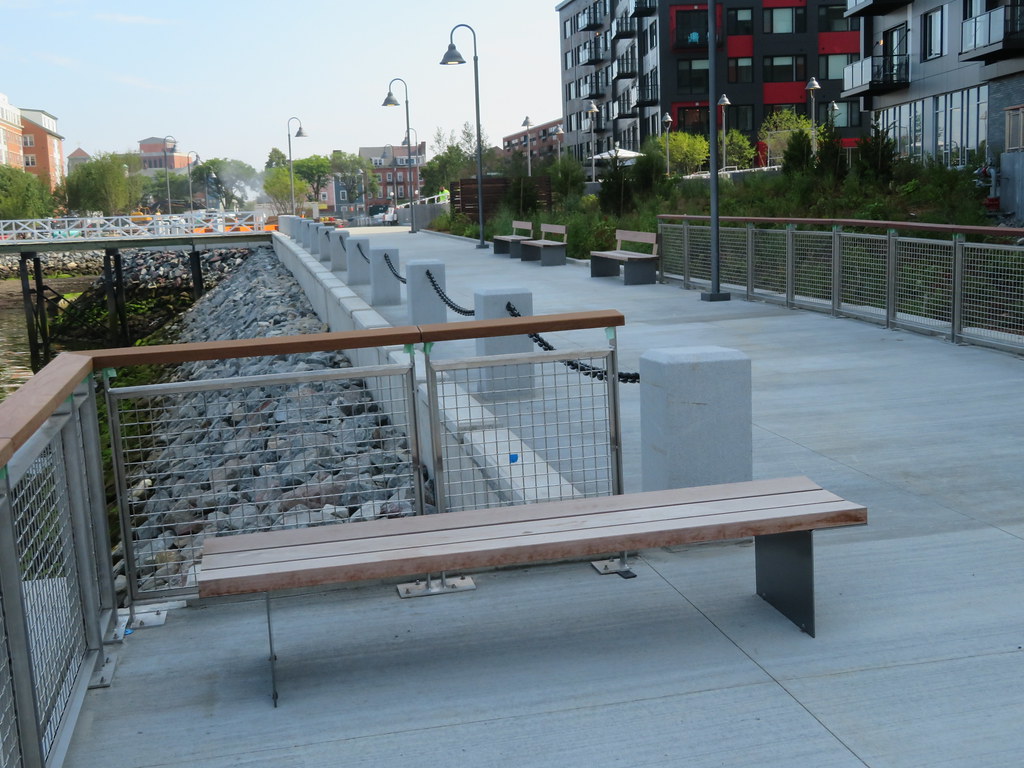


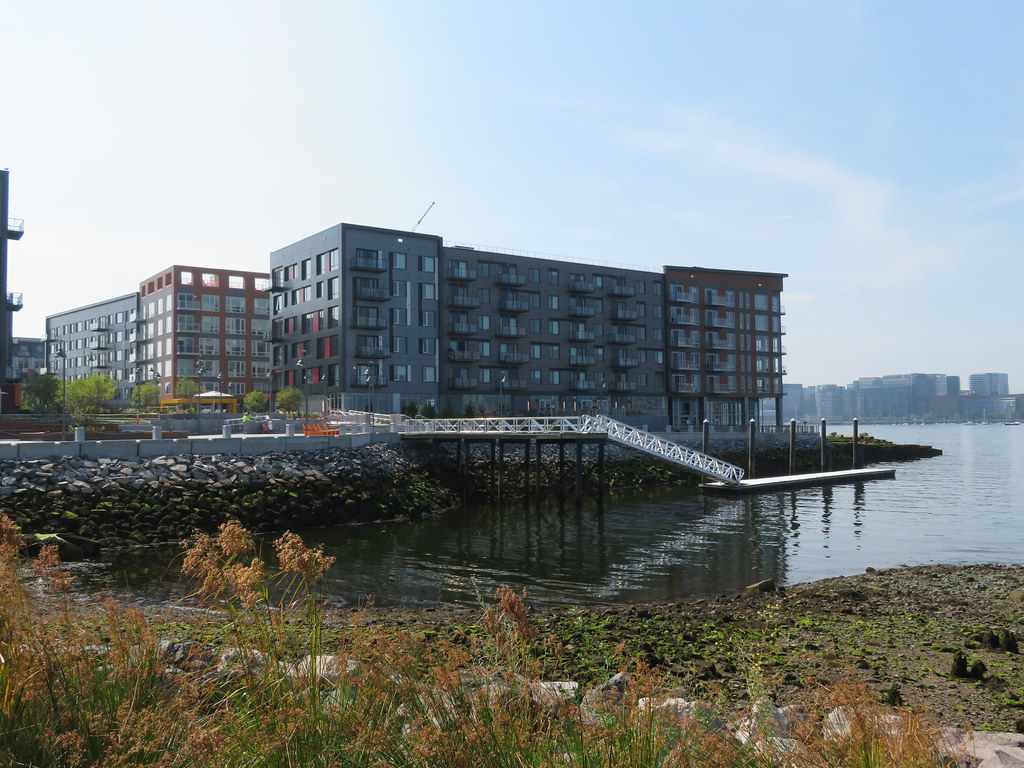


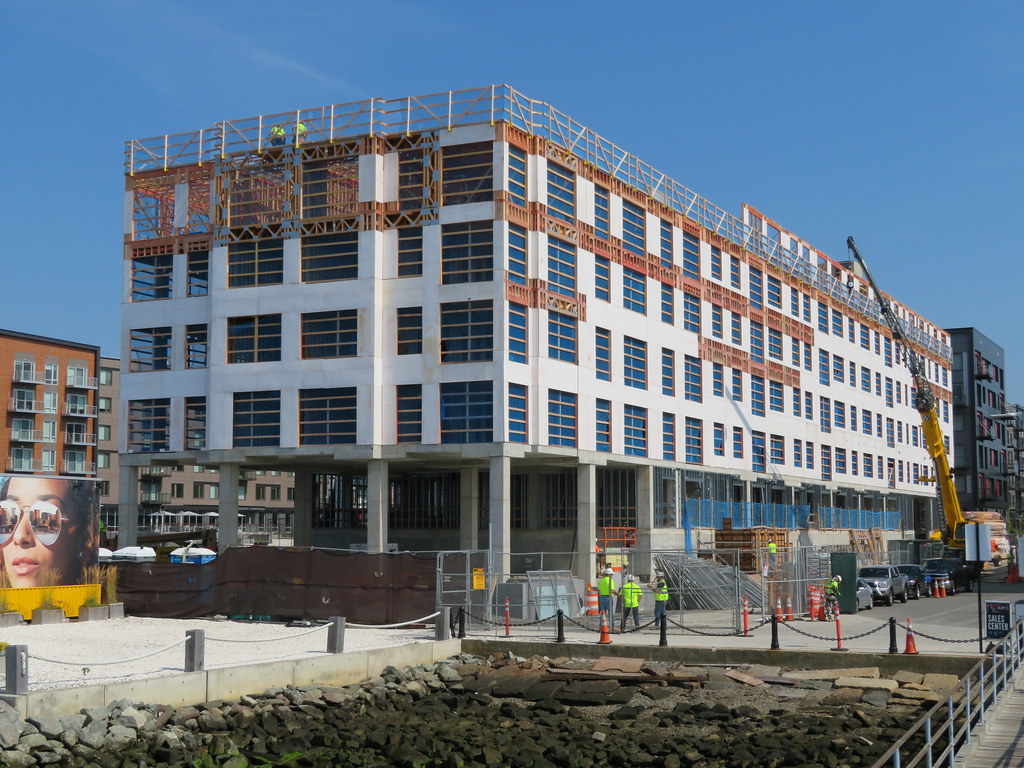

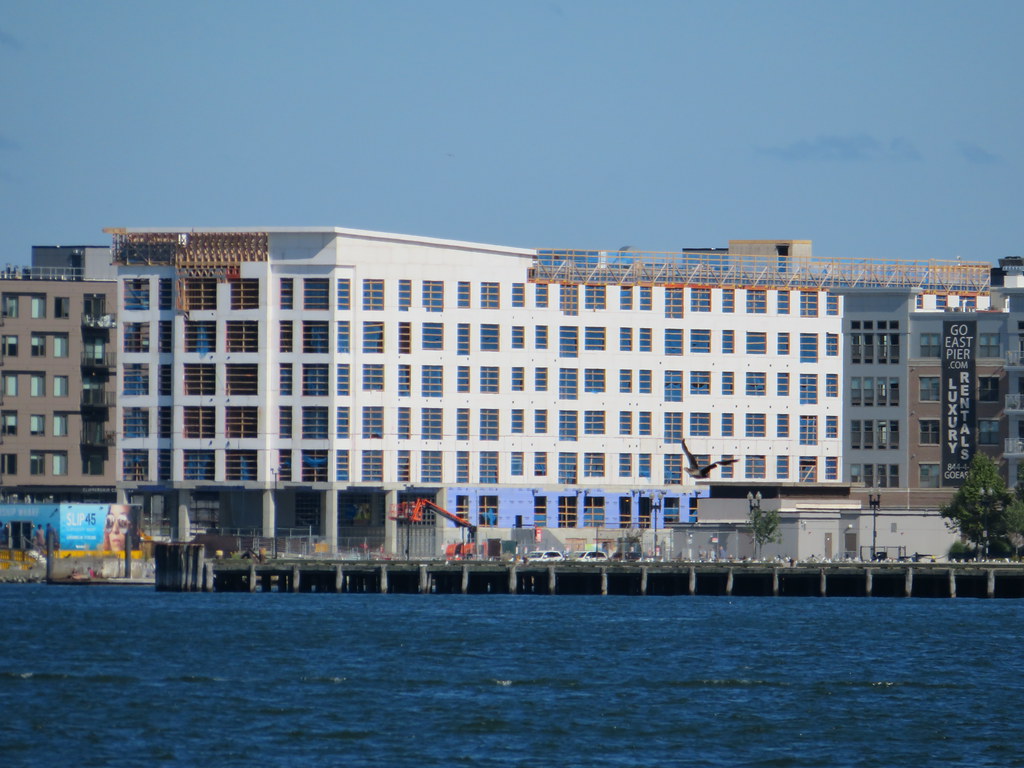 IMG_2150
 IMG_2151